Athlete's Foot Treatment in Fleming Island, FL
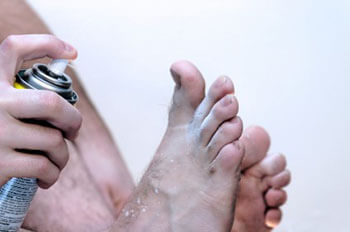 Athlete’s foot is a fairly common, contagious condition that is caused by a fungal infection. The infection thrives in warm, moist environments, such as the inside of a shoe. It’s very common for athlete’s foot to develop in between the toes. Some key signs that you may be experiencing this condition include a burning, stinging, or itching sensation, as well as redness and flaking.
Despite its name, athlete’s foot can affect anyone, not only people who play sports. It often begins between the fourth and fifth toes, where skin stays warm and damp, and it can spread to the soles and sides of the feet. Some people develop cracked, peeling skin between the toes, while others notice dry, scaly skin across the bottom of the foot that is easily mistaken for simple dryness. In some cases, small fluid-filled blisters can form. Scratching the affected skin can carry the fungus to the hands or groin, and the infection can also spread to the toenails, where it becomes more difficult to treat.
Athlete's Foot Causes and Prevention
Athlete’s foot is an extremely contagious infection caused by a fungus that results in itchy, burning, dry, and flaking feet. The fungus that causes Athlete’s foot is known as tinea pedis and thrives in moist, dark environments such as shower floors, gyms, socks and shoes, common areas, public changing areas, bathrooms, dormitory-style houses, locker rooms, and public swimming pools. Athlete’s foot can be difficult to treat due to its highly contagious and recurrent nature.
Athlete’s foot may spread by direct skin to skin contact, as well as by indirect contact, such as walking barefoot on a surface where the fungus lies. Environments such as locker rooms and communal showers are popular areas where athlete’s foot is known to spread. In order to better prevent yourself from catching athlete’s foot, it’s advised to take certain precautions. These precautions can include washing your feet often and drying them thoroughly, wearing clean cotton socks, washing your towels regularly, making sure you change your shoes and socks regularly, and avoiding walking around barefoot in public areas. It’s also advised to refrain from sharing footwear and to take footwear off as soon as possible after exercising.
Some people are more likely to develop athlete’s foot than others. Those who sweat heavily, wear tight or non-breathable shoes for long periods, or have a weakened immune system are at greater risk. People with diabetes should take extra care, as cracked skin between the toes can allow bacteria to enter and lead to a more serious infection. Alternating your shoes so that each pair can dry out completely, using moisture-wicking socks, and applying antifungal powder to your feet and shoes can all help reduce the chance of infection or recurrence.
Athlete's Foot Treatment
Mild cases of athlete’s foot often improve with over-the-counter antifungal creams, sprays, or powders. It is important to apply these products exactly as directed and to continue using them for the full recommended time, even after the skin looks better. Stopping treatment too early is one of the most common reasons the infection returns. Keeping the feet clean and dry during treatment, changing socks at least once a day, and wearing breathable shoes also support healing.
If your symptoms do not improve after a couple of weeks of home care, keep coming back, or are severe, a podiatrist can help. During your visit, your podiatrist will examine your feet and may take a small skin scraping to confirm the diagnosis, as several other skin conditions, such as eczema, psoriasis, and contact dermatitis, can look similar to athlete’s foot. Depending on your case, your treatment plan may include prescription-strength topical antifungal medication or oral antifungal medication for stubborn or widespread infections. If the infection has spread to the toenails, your podiatrist can also discuss toenail fungus treatment.
You should seek care promptly if you notice increasing redness, swelling, warmth, drainage, or pain, as these may be signs of a secondary bacterial infection. Patients with diabetes or poor circulation should have any break in the skin of the feet checked by a podiatrist rather than waiting to see whether it improves on its own.
Tips to Keep Athlete’s Foot from Coming Back
Once the infection has cleared, good daily habits help keep it away. Wash and thoroughly dry your feet every day, paying close attention to the spaces between your toes. Wear flip-flops or shower shoes in public showers, pools, and locker rooms, and do not share towels, socks, or shoes. Wash socks and towels in hot water, and consider treating your shoes with an antifungal spray or powder.
Because athlete's foot is best treated promptly, we recommend you consult with a podiatrist as soon as possible for a proper diagnosis and treatment plan.
