Diabetic Foot Care in Fleming Island, FL
Diabetes and Peripheral Neuropathy
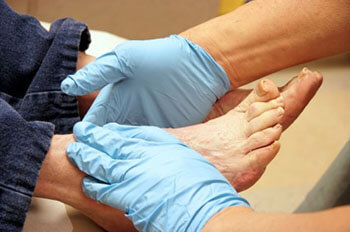 Diabetes can unfortunately cause many foot problems that often lead to a great deal of pain and discomfort. For example, poor circulation of the feet is often an issue among those with diabetes because it damages the nerves. When this occurs, it’s likely for one to develop peripheral neuropathy. Peripheral neuropathy can make it feel like you have pins and needles in your feet. Others who have experienced this condition have also recalled a burning, tingling, or numbing sensation.
Over time, high blood sugar levels can damage both the nerves and the blood vessels that supply the feet. Nerve damage may reduce your ability to feel pain, heat, or cold, which means a blister, cut, or pressure sore can go unnoticed. Reduced blood flow slows healing and makes it harder for the body to fight infection. Diabetes can also cause dry, cracked skin, changes in the shape of the feet, and thickened toenails. Together, these changes explain why people with diabetes are at greater risk of foot ulcers and serious infections, and why regular foot care is such an important part of managing the condition.
Diabetic Foot Prevention
Since nerves are often damaged due to diabetes, the issue of not feeling when a wound has developed can lead to serious complications. Minor cuts or scrapes on the foot may run the risk of getting infected if the feet are not checked daily for wounds. Diabetes may also reduce blood flow to the feet, which in turn can make it harder for wounds to heal. With that being said, it’s important you seek professional help for treating any foot ailments. To prevent yourself from running the risk of developing a serious foot condition, it’s recommended that you wash and dry your feet daily, cut your toenails carefully, keep your feet moisturized, check them regularly for any abnormalities, and keep your feet warm and dry.
There should be a focus on cleaning between the toes. Even if no pain is felt, the entire foot should be examined for redness and sores. Neuropathy can often mask the pain of sores and ulcers, and cause these conditions to be overlooked. Use a mirror to examine the underside of your feet if needed. It is recommended that diabetics wear well-fitting socks.
A few more daily habits can make a meaningful difference. Never walk barefoot, even indoors, and check the inside of your shoes for stones or rough seams before putting them on. Choose shoes that fit well and protect your feet, and break in new shoes gradually. Avoid soaking your feet for long periods, and test bath water with your elbow rather than your foot, since neuropathy can make it difficult to judge temperature. Apply moisturizer to the tops and bottoms of your feet, but not between the toes, where extra moisture can encourage infection. Do not use sharp tools or chemical corn removers on your feet.
Diabetic Foot Treatment
Patients with diabetes should have their doctor monitor their blood levels because blood sugar levels play a huge role in diabetic care. Monitoring these levels on a regular basis is highly advised. It is very important to keep your blood sugar levels in the normal range, which can be determined by your physician. There are medications that a physician may prescribe to help with neuropathy of the diabetic patient. It is also advisable to visit a podiatrist if the diabetic patient is experiencing any conditions involving the feet such as ingrown toenails, which in more severe cases can cause infection.
Podiatrists play an important role in the diabetic care team. During a diabetic foot exam, your podiatrist will check the skin, nails, and shape of your feet, test the sensation in your feet, and assess the circulation. These screenings help identify problems early and determine your level of risk. Routine care, such as trimming thickened toenails and safely reducing corns and calluses, helps prevent the pressure points that can lead to ulcers. Your podiatrist may also recommend diabetic shoes or custom orthotics to protect areas of the foot that are at risk.
If a sore or ulcer does develop, prompt treatment is essential. Diabetic wound care may include cleaning and dressing the wound, removing damaged tissue, relieving pressure on the area, and treating any infection.
Warning Signs That Need Prompt Attention
Contact a podiatrist right away if you notice a cut, blister, or sore that is not healing, redness, swelling, or warmth in part of the foot, drainage or an unusual odor, a change in the color of the skin, or new numbness or pain. Early care can prevent a minor problem from becoming a serious complication. Most people with diabetes benefit from having their feet examined by a podiatrist at least once a year, and more often if they have neuropathy, circulation problems, or a history of ulcers.
For more advice on how to care for diabetic feet, we suggest you consult with a podiatrist for professional care and a recommended treatment plan for any existing conditions.
