Ingrown Toenail Treatment in Fleming Island, FL
Symptoms of an Ingrown Toenail
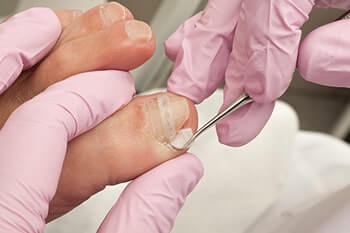 Signs that may indicate the formation of an ingrown toenail include redness, pain, swelling of the surrounding skin, possible bleeding or oozing of pus, and an overgrowth of the skin around the nail. The surrounding skin may also feel tender and become swollen or hardened. Most ingrown toenails are diagnosed by a simple physical exam; however, an x-ray may be required to show how deep the nail has grown into the skin of the toe.
An ingrown toenail occurs when the edge or corner of a nail curves down and grows into the soft skin beside it. The big toe is most often affected. In the early stage, you may only notice mild tenderness and swelling along the side of the nail, especially when wearing shoes. If the nail continues to press into the skin, the area can become more painful and may become infected. Signs of infection include increasing redness, warmth, drainage, and swelling, and in some cases extra tissue may grow over the edge of the nail.
Causes of Ingrown Toenails
Many factors influence the likelihood of developing an ingrown toenail. The most common way ingrown toenails are formed is due to an incorrect method in how the toenails are trimmed. If you cut your toenails too short or cut them at an angle, you’re putting yourself at risk of getting this condition. Another main factor that contributes to ingrown toenails is the choice of footwear. Those who commonly wear tightly fitted shoes, such as high heels, that do not give the toes enough room, put too much pressure on the big toes. This can create an ingrown toenail. To alleviate the pain, a small piece of cotton may be fitted underneath the nail. However, in more serious cases, total removal of the nail may be necessary.
Other causes include injury to the toe, such as stubbing it or dropping something heavy on it, repeated pressure on the toes during sports such as soccer, running, or ballet, and naturally curved or thick nails. Ingrown toenails can also run in families. Poor foot hygiene and sweaty feet may soften the skin around the nail, making it easier for the nail to dig in.
How to Prevent Ingrown Toenails
To prevent ingrown toenails, allow your toenails to grow a little longer and avoid cutting them too short. If you do develop an ingrown nail, soaking the toe in hot water will help prevent infection and lessen pain. You may want to add antibiotic soap or Epsom salts to the water, which will provide further protection against infection.
Trim your nails straight across rather than rounding the corners, and keep them roughly even with the tip of the toe. Use clean, sharp nail clippers designed for toenails. Wear shoes and socks that give your toes plenty of room, and protect your feet with appropriate footwear during activities where they may be stepped on or injured. Avoid picking or tearing at the nails. If you have difficulty reaching or seeing your feet, or if your nails are very thick, a podiatrist can trim them safely for you.
Ingrown Toenail Treatment
Treatment for an ingrown toenail varies between patients and the severity of the condition. In most cases, it is best to see your podiatrist for thorough and proper treatment. After examining your toe, your podiatrist may prescribe oral antibiotics to clear the infection if one is present. Surgical removal of either a portion of the nail or the entire nail may also be considered. In some cases, complete removal or destruction of the nail root may be required. Most patients who undergo nail surgery experience minimal pain afterward and can return to normal activity the following day.
A partial nail removal is a common in-office procedure. After the toe is numbed with a local anesthetic, the ingrown edge of the nail is carefully removed. For people who experience ingrown toenails again and again, the nail root along that edge may be treated so the problematic portion of the nail does not grow back. Your podiatrist will give you instructions for soaking and dressing the toe while it heals.
When to See a Podiatrist
Avoid trying to dig out or cut an ingrown toenail yourself, as this can make the problem worse and increase the risk of infection. Make an appointment if the pain is severe, if you notice pus, spreading redness, or warmth, or if the problem keeps returning. People with diabetes, nerve damage, or poor circulation should seek care at the first sign of an ingrown toenail, since even a small infection can lead to serious complications.
For a proper diagnosis and advised treatment plan, we recommend you seek the care of a podiatrist as soon as you notice the warning signs of an ingrown toenail.
