Foot & Ankle Surgery in Fleming Island, FL
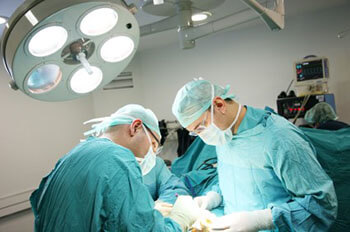 Foot and ankle surgery may be performed depending on the severity of the injury. In any case, if you happen to develop a foot condition, it’s always advised you seek the counsel of a podiatrist for a proper diagnosis and advised treatment plan. If you notice an abnormal growth, a change in the appearance of your foot or ankle, discomfort while standing or walking, or general foot pain, it would be in your best interest to seek professional help, especially if surgery is the recommended treatment for your case.
For most foot and ankle conditions, surgery is not the first step. Many problems improve with conservative care such as footwear changes, custom orthotics, medication, injections, and physical therapy. Surgery is usually recommended when these treatments have not provided enough relief, when a deformity is getting worse, or when an injury such as a fracture or torn tendon needs to be repaired to heal correctly. Our goal is always to recommend the least invasive treatment that will effectively resolve your problem.
Foot and Ankle Surgery Conditions
Podiatrists perform foot and ankle surgery to treat a number of different conditions. These may include bunions, heel pain, flat feet, arthritis of the foot or ankle, sports injuries, hammertoes, ingrown toenails, complications due to diabetes, and fractures, to name a few. Again, the need for surgery is dependent upon the type of injury you are experiencing, as well as its severity. This also means that the recovery process for surgery will vary as well. With that being said, most podiatrists will recommend you get plenty of rest, stay off your feet, ice the affected area to reduce swelling, and elevate the affected area.
Other conditions that may benefit from surgery include Morton’s neuroma, heel spurs, Achilles tendon ruptures, chronic ankle instability after repeated sprains, and painful growths such as cysts. Procedures range from minor in-office treatments, such as correcting an ingrown toenail, to more involved operations that realign bones, repair tendons and ligaments, or fuse arthritic joints.
Benefits of Foot and Ankle Surgery
While in many cases surgery is often deemed as the final resort, choosing surgery comes with certain benefits. The associated pain experienced in relation to the particular condition is often relieved with surgery, allowing patients to resume daily activities. The greatest benefit, however, is that surgery generally eliminates the problem immediately.
Surgery can also correct deformities that would otherwise continue to worsen, restore stability to a weak joint, and improve the way the foot functions, making it easier to walk, exercise, and wear comfortable shoes. For many patients, the result is a better quality of life and the ability to return to the activities they enjoy.
Advances in Foot Surgery Technique
Podiatry history has shown that foot treatments continue to evolve over time. In the field of foot surgery, endoscopic surgery is just one of the many advancements. As technology vastly improves, so will the various techniques in foot surgery, which already require smaller and smaller incisions with the use of better and more efficient tools. Thanks to such innovations, surgery is no longer as invasive as it was in the past, allowing for much faster and easier recoveries.
Smaller incisions generally mean less damage to surrounding tissue, less pain after surgery, reduced scarring, and a lower risk of complications. Many foot and ankle procedures can now be performed on an outpatient basis, allowing patients to return home the same day.
Preparing for Surgery and Recovery
Before recommending surgery, your podiatrist will perform a thorough examination and may order x-rays or other imaging. They will explain the procedure, its benefits and risks, and what you can expect during recovery, so that you can make an informed decision. You will receive instructions on how to prepare, including any changes to medications.
Recovery depends on the procedure and on your overall health. You may need to wear a surgical shoe, boot, or cast, and use crutches or a knee scooter to keep weight off the foot for a period of time. Following your post-operative instructions, attending follow-up appointments, and completing any recommended physical therapy all play an important role in achieving the best possible result.
If you believe you have a foot or ankle injury that may require surgery, it’s highly recommended that you speak with a podiatrist as soon as possible to go over the best treatment option for your condition.
