Heel Spur Treatment in Fleming Island, FL
What Is a Heel Spur
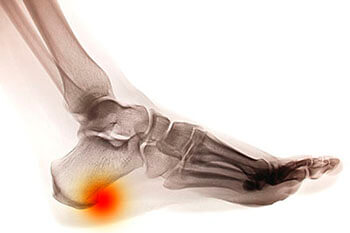 A heel spur takes the form of a bony-like growth. This is due to a calcium deposit that extends between the heel bone and foot arch. They can grow up to half an inch in length; however, they may not be outwardly visible. Because heel spurs tend to grow, increasing the overall discomfort felt, it’s important that you seek professional help as soon as pain is experienced for early detection.
Heel spurs usually develop gradually over many months. They form when the muscles and ligaments of the foot are repeatedly strained, when the plantar fascia is stretched, or when the membrane covering the heel bone is torn again and again. In response, the body lays down extra calcium, which builds into a spur. Heel spurs are closely related to plantar fasciitis, an inflammation of the band of tissue that runs along the bottom of the foot, and the two conditions often occur together.
Heel Spur Symptoms and Risk Factors
Signs that you may have a heel spur include pain felt in the heel region, swelling at the front of the heel, and inflammation. If the affected area also feels warm to the touch, you may be experiencing the symptoms of a heel spur. Heel spurs are extremely uncomfortable and can often lead to a great deal of pain if left untreated. They may develop due to excess body weight, complications with arthritis, wearing poorly fitted shoes, and bruising of the heel.
It is possible to have a heel spur without showing signs of any symptoms. However, if inflammation develops at the point of the spur’s formation, you may have pain while walking or running. Many people describe a sharp pain, like a pin or knife in the heel, when they first stand up in the morning, which later fades to a dull ache. Other risk factors include walking or running on hard surfaces, gait abnormalities that place excess stress on the heel, shoes with worn-out heels or little arch support, and flat feet or high arches.
How Heel Spurs Are Diagnosed
In terms of diagnosis, sometimes all a doctor needs to know is that the patient is experiencing a sharp pain localized to the heel to diagnose a heel spur. Other times, an x-ray may be needed to confirm the presence of a heel spur.
During your visit, your podiatrist will examine your foot for tenderness, check your range of motion, and ask about your activities and footwear. Because several conditions can cause pain in the heel, a careful evaluation helps make sure the right problem is being treated.
Preventing Heel Spurs
Heel spurs can be prevented by wearing well-fitting shoes that have shock-absorbent soles. You should also be sure that you are choosing the right shoe for the activity you want to partake in; for example, do not wear walking shoes when you want to go on a run. Additionally, maintaining a healthy weight can be beneficial toward preventing heel spurs, as it will prevent an excess amount of pressure being placed on the ligaments.
Stretching the calf muscles and the bottom of the foot, especially before exercise, may help reduce strain on the heel. Warm up before physical activity, increase your training gradually, and replace athletic shoes once their cushioning and support have worn down.
Heel Spur Treatment Options
Orthopedic shoes are specially designed footwear for people who suffer with foot problems. Orthopedics offer a rubber sole, which cushions the heel and adds comfort to those who suffer from heel spurs. Custom orthotic inserts can also be made to support the arch and relieve pressure on the heel. Another simple way to help the pain of heel spurs is to elevate the ankle to diminish the pain. When elevating the ankle, the blood is not focused on that area of the foot and can bring some relief. When all these options have been attempted, and there is still no relief from heel spurs, or the heel spurs return, surgery can be the more dramatic and permanent way to rid patient of heel spurs.
Most people with heel spur pain improve with conservative care. In addition to supportive footwear and orthotics, your treatment plan may include rest, ice, stretching exercises, anti-inflammatory medication, heel cups or pads, night splints that gently stretch the plantar fascia while you sleep, and physical therapy. Corticosteroid injections may be used to reduce inflammation in some cases. Because the spur itself is often not the direct source of pain, treatment usually focuses on calming the inflamed soft tissue around it.
For a proper diagnosis and recommendations for treatment, we suggest you consult with a podiatrist about any heel spur concerns.
