Flat Feet Treatment in Fleming Island, FL
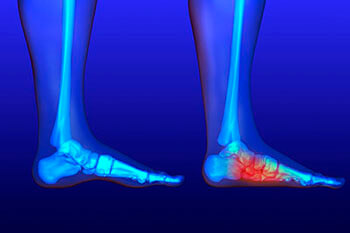 Those who have a very low foot arch or no arch at all have a condition referred to as flat feet. Most children are born with flat feet and will gradually develop arches in their feet over time. However, if the arch does not develop, it’s likely for one to experience foot pain as they grow older. Those with flat feet tend to walk with an overpronation, often causing the feet to point outward. Since the feet carry the weight of the body, it can put an immense amount of pressure on those with little to no arch because that extra support is absent. The weight of the body is often unevenly distributed as well.
Flat feet, sometimes called fallen arches or pes planus, are common and do not always cause problems. Many people with flat feet never experience pain. For others, the lack of arch support changes the way the foot, ankle, and leg move, which can lead to strain and discomfort over time. Flat feet may be present from childhood or develop later in life. Adult-acquired flat foot often develops gradually when the posterior tibial tendon, which helps support the arch, becomes stretched, inflamed, or torn.
Symptoms and Causes of Flat Feet
People with flat feet may feel foot pain due to a straining of their muscles and connecting ligaments. It’s also common for people with flat feet to roll their feet as they walk, which may in turn cause discomfort for the ankle. Swelling of the calf, lower legs, knees, and lower back may form as a result of flat feet, along with the feeling of stiffness in the feet as well. Some of the most common reasons for the development of flat feet include genetic factors, a foot or ankle injury, arthritis, and damage to the nervous system. Specific exercises and foot stretches may help alleviate the discomfort that flat feet can often cause.
Other signs to watch for include pain along the inside of the ankle or arch, feet that tire easily after standing or walking, difficulty standing on your toes, and shoes that wear unevenly or begin to lean inward. Obesity, diabetes, pregnancy, and aging can increase the risk of the arch flattening over time. Because the foot is the foundation of the body, flat feet can also contribute to plantar fasciitis, shin splints, bunions, and pain in the knees, hips, and lower back.
Flat Feet Treatment
Once flat foot has been diagnosed, your podiatrist may suggest one of several treatment options.
Flexible vs Rigid Flat Feet
Flat feet can be rigid, in which the feet appear to have no arch even when the person is not standing; or flexible, in which the person appears to have an arch while not standing, but once standing the arch disappears. Those with flexible flat feet may be told to reduce any activities that cause pain and to avoid extended periods of walking or standing. Another suggestion may be weight loss, as excessive weight may be placing pressure on the arches.
Flexible flat feet are the most common form and usually respond well to conservative care. Rigid flat feet are less common and may be linked to an underlying problem in the bones or joints of the foot, such as bones that have fused together or advanced arthritis. Because the two types are managed differently, identifying which one you have is an important part of your evaluation.
Treatment Options for Flat Feet
Most people with painful flat feet find relief without surgery. Supportive shoes with a firm heel counter and good arch support can reduce strain on the foot. Custom orthotics are often recommended, as they support the arch, help control overpronation, and distribute pressure more evenly across the foot. Stretching exercises for the calf muscles and Achilles tendon, along with strengthening exercises for the muscles that support the arch, can also help. Anti-inflammatory medication, ice, and physical therapy may ease pain during flare-ups, and a brace may be used to support the ankle in some cases.
If pain continues despite these measures, or if the condition is caused by a damaged tendon or a structural problem, your podiatrist may discuss surgical options to repair tendons or realign the bones of the foot.
How Flat Feet Are Diagnosed
Your podiatrist will examine your feet while you are sitting and standing, watch the way you walk, and look at the wear pattern on your shoes. You may be asked to stand on your toes to see whether an arch forms. X-rays can help show the alignment of the bones and rule out arthritis or other causes of pain.
If you would like more information about caring for flat feet, we suggest that you speak with a podiatrist who can offer you professional recommendations and an advised treatment plan.
