Bunion Treatment in Fleming Island, FL
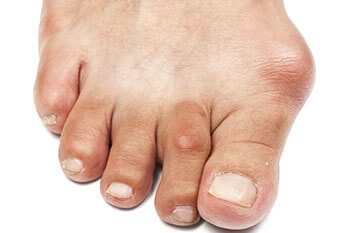 If you have arthritis, frequently wear tight fitting shoes such as high heels, and are older in age, it’s very likely that you may develop a bunion. A bony hump at the base of the big toe is the biggest sign that you may have developed this condition. Bunions are often painful and typically cause an extreme amount of discomfort. Because a bunion protrudes on the side of the foot, it’s likely for it to continuously rub against the inside of your shoe. This causes frequent friction and pain, which may cause calluses to form as well.
A bunion, also known as hallux valgus, is a deformity of the joint at the base of the big toe. Over time, the big toe begins to lean toward the second toe, pushing the joint outward and creating the visible bump on the side of the foot. Because bunions develop gradually, many people notice only a small bump at first, with symptoms becoming more noticeable as the deformity progresses. Other signs may include redness and swelling over the joint, stiffness or reduced movement of the big toe, and pain that worsens when wearing shoes or standing for long periods. A smaller bump, known as a tailor’s bunion or bunionette, can also form at the base of the little toe.
What Causes Bunions
Bunions are most commonly formed in people who are already genetically predisposed to them or other kinds of bone displacements. Existing bunions can be worsened by wearing improperly fitting shoes. Trying to cram your feet into high heels or running or walking in a way that causes too much stress on the feet can exacerbate bunion development. High heels not only push the big toe inward, but shift one's body weight and center of gravity towards the edge of the feet and toes, expediting bone displacement.
Inherited foot structure plays a large role, which is why bunions often run in families. Flat feet, loose ligaments, and abnormal foot mechanics can place added pressure on the big toe joint. Inflammatory conditions such as rheumatoid arthritis, as well as previous foot injuries, may also contribute. Bunions are more common in women, in part because of footwear with narrow, pointed toe boxes.
Bunion Pain Treatment
Diagnosing a Bunion
A podiatrist knowledgeable in foot structure and biomechanics will be able to quickly diagnose bunions. Bunions must be distinguished from gout or arthritic conditions, so blood tests may be necessary. The podiatrist may order a radiological exam to provide an image of the bone structure. If the x-ray demonstrates an enlargement of the joint near the base of the toe and a shifting toward the smaller toes, this is indicative of a bunion.
X-rays also help your podiatrist measure the angle of the big toe and determine how severe the bunion is. This information, along with your symptoms and activity level, guides which treatment options are most appropriate for you.
Conservative Care for Bunions
There are a number of ways to help alleviate discomfort if you’re experiencing pain due to having a bunion. To begin, it’s important that you maintain a healthy body weight in order to lessen the pressure put on your feet. Icing and warming the affected area may also help ease pain, as well as wearing wider-set footwear to avoid friction between your shoe and bunion. Some patients have also found shoe inserts to be extremely helpful for correcting the position of the foot.
Other conservative options include bunion pads or cushions that reduce rubbing against the shoe, toe spacers, splints worn at night, and anti-inflammatory medication to ease pain and swelling. Choosing shoes with a wide, deep toe box and low heels is one of the most effective ways to reduce pressure on the joint. In some cases, corticosteroid injections may be used to calm inflammation. These measures can relieve pain and slow the progression of the bunion, although they cannot reverse the deformity itself.
Bunion Surgery
In more serious cases where the pain is severe, a podiatrist may recommend surgery for treating the bunion. Surgery may be considered when a bunion causes persistent pain, makes it difficult to walk or wear shoes, or continues to worsen despite conservative care. There are many different bunion procedures, and the right one depends on the severity of the deformity and the condition of the joint. Surgery generally involves realigning the bones, tendons, and ligaments so the big toe sits in a more natural position. Your podiatrist will explain what the procedure involves, what to expect during recovery, and how to protect your feet afterward.
Can Bunions Be Prevented?
While you cannot change the foot structure you inherited, you can reduce the stress placed on your big toe joint. Wear shoes that fit well and give your toes room to move, limit the time you spend in high heels, and have your feet measured regularly, as foot size can change over time. If you notice a bump beginning to form, early evaluation allows you to start preventive care sooner.
If you would like more information on how to best treat your bunion, we recommend you consult with a podiatrist as soon as possible for professional care and a proper diagnosis.
