Custom Orthotics in Fleming Island, FL
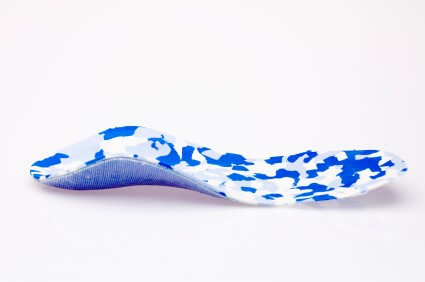 Ongoing foot pain can often be debilitating for those suffering from the discomfort. In order to help alleviate the pain, a podiatrist may suggest you wear custom orthotics. Custom orthotics fit perfectly for your foot and are made specifically for your type of foot condition. For some, orthotics make performing day to day activities easier and less painful.
Orthotics are devices worn inside the shoe to support, align, and cushion the foot. Over-the-counter inserts are made in standard sizes and can offer general cushioning, but they are not designed around the shape of your foot or your specific condition. Custom orthotics are prescribed by a podiatrist and made from an impression or scan of your feet, so they match your foot structure and address the way you walk. Because they are built for you, they can provide more precise support and are often more durable than store-bought inserts.
Shoe Orthotics for Foot Problems
Orthotics are especially useful for those with foot pain and those who may have fallen arches. Orthotics may help properly reposition the structures of the foot, easing the pressure and rebalancing the distribution of weight on the feet. Those with arthritic feet or those experiencing pain due to plantar fasciitis may find relief with orthotics, as they also tend to find issues with arch complications. Orthotics are a great way to give your feet extra support, which can come in handy for those who tend to stand or work on their feet for the majority of the day. The next type of patient who may benefit from the use of orthotics are those with diabetes. It’s more likely for those with diabetes to develop corns and calluses. When this occurs, the friction of the corn or callus against your footwear can be extremely uncomfortable and painful. Orthotics, in this instance, can be useful in reducing the pressure placed upon the affected areas.
Custom orthotics may also help people with heel spurs and other causes of heel pain, bunions, hammertoes, Morton’s neuroma, Achilles tendonitis, high arches, and recurring ankle sprains. Athletes often use orthotics to improve alignment, reduce fatigue, and lower the risk of overuse injuries. Because the feet are the foundation of the body, correcting the way they move can sometimes ease pain in the knees, hips, and lower back as well.
How Orthotics Work
Orthotics alleviate pain and make the foot more comfortable by slightly altering the angle at which the foot strikes the ground surface, therefore controlling the movement of the foot and ankle. Orthotics come in different variants and can be made of various materials.
Functional orthotics are usually made from firmer materials and are designed to control abnormal motion, such as excessive rolling inward of the foot, known as overpronation. Accommodative orthotics are softer and are designed to cushion the foot and relieve pressure on painful areas, making them helpful for conditions such as diabetic foot problems, calluses, and arthritis. Some orthotics combine features of both. Your podiatrist will recommend the type and materials that best suit your condition, activity level, and footwear.
The Custom Orthotic Process
Getting custom orthotics begins with a thorough evaluation. Your podiatrist will examine your feet, review your symptoms and medical history, check your range of motion, and watch the way you stand and walk. An impression or scan of your feet is then taken so the orthotics can be made to match their exact shape. When your orthotics are ready, your podiatrist will check the fit and explain how to use them.
It is normal to need a short break-in period. Most patients start by wearing their orthotics for an hour or two a day and gradually increase the time over the following weeks. Orthotics work best in shoes with a firm heel counter and enough depth to hold the insert comfortably. With proper care, custom orthotics can last for several years, and your podiatrist can check them periodically and make adjustments if your needs change.
Caring for Your Orthotics
To keep your orthotics working well, remove them from your shoes regularly to let them air out, and clean them with mild soap and water rather than placing them in a washing machine or dryer. Keep them away from high heat, such as a car dashboard in summer. If you notice cracks, flattened areas, or a return of your symptoms, bring your orthotics to your next appointment so your podiatrist can check them.
If you’d like more information about the type of orthotics that is best for your condition, we suggest you speak with a podiatrist for a professional recommendation.
