Hammertoe Diagnosis & Treatment in Fleming Island, FL
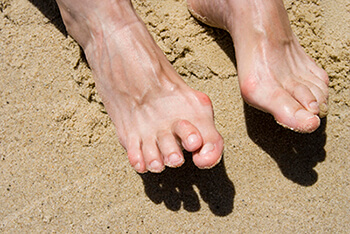 Hammertoes get their name due to the abnormal appearance of the toe, in which it bends down like a hammer. A hammertoe’s shape is formed by a deformed bending in the toe’s middle joint. There are many factors that play into how hammertoes form. Trauma to the toe, such as stubbing, jamming, or breaking it, can make the toe more susceptible to developing into a hammertoe. Age and gender also influence the likelihood of getting a hammertoe. Women have also been known to be more likely to develop a hammertoe compared to men. You’re also more likely to develop this condition as you age. Certain diseases, such as arthritis and diabetes, have been known to influence the likelihood of forming a hammertoe.
Hammertoes most often affect the second, third, or fourth toes. The condition develops because of an imbalance in the muscles, tendons, and ligaments that normally hold the toe straight. In its early stages, a hammertoe is usually flexible, meaning the toe can still be straightened by hand. Over time, the tendons can tighten and the joint can stiffen, leaving the toe rigid and fixed in its bent position. Common symptoms include pain at the top of the bent toe when wearing shoes, corns and calluses where the toe rubs against footwear, redness and swelling of the joint, and difficulty moving the toe.
Common Causes of Hammertoes and Their Prevention
The shoes that are most likely to cause hammertoe are high heeled shoes or shoes that are too tight in the toe box. Tight shoes will force your toes to crowd together in a curled position. This position will likely continue when you take your shoes off. Another cause of hammertoes is trauma. When you stub your toe, for example, you are increasing your chance of developing a hammertoe.
Hammertoes can be painful as well as incredibly uncomfortable. To help ease these symptoms, it may be beneficial to wear orthotics. Custom orthotics are used to help realign the toe structure and aid in the process of healing. Certain injections may be recommended by a podiatrist as well to help alleviate the pain. To prevent being afflicted by this condition, it’s recommended that you wear shoes that leave enough room for your toes and continually change your footwear as your feet change in size.
Foot structure also plays a part. People with a second toe that is longer than the big toe, high arches, or bunions that push the big toe toward the smaller toes are more likely to develop hammertoes. Nerve damage and muscle weakness related to conditions such as diabetes can also allow the toes to curl.
Choosing Footwear to Prevent Hammertoes
Many different foot problems can be avoided by wearing shoes that have adjustability, adequate toe room, and low heels. Furthermore, if you want to buy new shoes, you should look to purchase them at the end of the day and make sure you know your correct size. The reason behind buying shoes at the end of the day is that your feet swell as the day progresses. You should also ensure that you are wearing your correct size because your shoe size may change as you grow older.
Look for shoes with a deep, wide toe box that allows your toes to lie flat and move freely. There should be about half an inch of space between your longest toe and the end of the shoe. Soft uppers without seams over the toes can reduce rubbing, and laces or straps help keep the foot from sliding forward. Simple toe exercises, such as picking up small objects with your toes or gently stretching them, may help keep the toe muscles strong and flexible.
How Hammertoes Are Diagnosed
To diagnose someone with hammertoe, your podiatrist will need to conduct a thorough examination of your foot. Your doctor may even order an x-ray to evaluate the bones and joints of your feet and toes.
During the exam, your podiatrist will check whether the toe is flexible or rigid, look for corns, calluses, and signs of irritation, and evaluate your overall foot structure and footwear. This information helps determine the most appropriate treatment for your toe.
Hammertoe Treatment Options
Flexible hammertoes can often be managed without surgery. Treatment may include changing to roomier shoes, using protective pads or cushions to relieve pressure on corns, wearing toe splints or straps to help hold the toe straight, and using custom orthotics to improve the balance of the tendons and muscles. Anti-inflammatory medication or injections may ease pain and swelling.
If a hammertoe becomes rigid, remains painful, or makes it difficult to wear shoes despite conservative care, your podiatrist may recommend surgery to release or lengthen tendons or to straighten the joint. Seeking treatment early, while the toe is still flexible, often allows for simpler and more effective care.
If you’d like more information on hammertoes and how to best treat the condition, we recommend you speak with a podiatrist for professional care and advice.
