Diabetic Wound Care in Fleming Island, FL
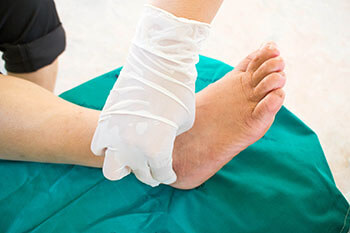 For those with diabetes, early prevention and prompt treatment for wounds can be crucial to maintaining healthy feet. Unfortunately for those with diabetes, minor wounds have the ability to turn into serious ulcers if left uncared for. Simply walking in new or tight-fitting shoes can be enough to form a serious foot condition. Diabetes affects the nerves of the feet, sometimes leaving them with little or no feeling. If a wound therefore develops and isn’t felt, it may be hard for that person to recognize they need care.
A diabetic foot ulcer is an open sore or wound, most often found on the bottom of the foot, on the toes, or over bony areas that experience pressure. Several factors work together to cause these wounds. Nerve damage, or neuropathy, reduces the ability to feel pain, so a blister, cut, or pressure point can go unnoticed. Poor circulation reduces blood flow to the feet, which slows healing and makes it harder for the body to fight infection. High blood sugar levels can also weaken the immune system. Foot deformities such as bunions and hammertoes, along with corns and calluses, create pressure points where ulcers are more likely to form.
Wounds that are not treated promptly can become infected, and infection can spread to deeper tissue and bone. This is why any break in the skin of a diabetic foot should be taken seriously, even if it does not hurt.
Diabetic Wounds & Ulcers Prevention
To avoid ignoring wounds and to help prevent the development of serious foot conditions, it’s advised to check your feet daily for any abnormalities. It can also be beneficial to wear comfortable shoes with extra support. Avoiding high heels and other tight-fitting shoes may help in preventing certain foot complications. You should also be careful in how you trim your toenails. Avoid cutting at an angle and digging into the sides of skin surrounding the nail. Lastly, be sure to wash and dry your feet thoroughly to maintain proper hygiene for your feet.
Keeping your blood sugar within the range recommended by your physician supports healthy circulation and healing. Never walk barefoot, even at home, and check the inside of your shoes before putting them on. Wear clean, dry socks without tight elastic bands. Moisturize dry skin to prevent cracks, but avoid applying lotion between the toes. Do not attempt to remove corns or calluses yourself, and avoid heating pads or hot water bottles on the feet. Routine foot examinations with a podiatrist, along with diabetic shoes or custom orthotics when recommended, help relieve pressure and catch problems early.
When to See a Foot Doctor About a Wound
Do not wait for a foot wound to become painful before seeking care. If you have diabetes, contact a podiatrist promptly if you notice a cut, blister, or sore that has not started to heal within a few days, drainage on your socks, redness, swelling, or warmth around a wound, an unusual odor, skin that has changed color, or a callus with dark areas beneath it. Seek urgent care if you develop a fever or chills, if redness is spreading, or if the skin around the wound turns black, as these may be signs of a serious infection.
Early treatment offers the best chance of healing a wound quickly and preventing complications. Even small wounds deserve attention, since a minor problem can become serious in a short time for someone with diabetes.
How We Treat Diabetic Foot Wounds
At your visit, your podiatrist will carefully examine the wound, measure it, and check the circulation and sensation in your feet. Imaging or cultures may be recommended if infection is suspected. Treatment focuses on creating the best possible conditions for healing and may include cleaning the wound and removing dead or damaged tissue, applying specialized dressings, and treating infection with appropriate medication.
Taking pressure off the wound, known as offloading, is one of the most important parts of care. Your podiatrist may recommend a special boot, padding, or footwear to protect the area while it heals. Regular follow-up visits allow your care team to track progress and adjust treatment as needed. Once the wound has healed, ongoing preventive care helps reduce the chance of another ulcer forming.
For information on wound care and wound prevention, we recommend you speak with a podiatrist for professional care and advice.
