Dangers of Wearing High Heels While Pregnant

Wearing high heels during pregnancy may increase the risk of foot problems due to the natural changes that occur in the body. As pregnancy progresses, hormones such as relaxin loosen the ligaments in the feet, which can cause joint instability and muscle strain. High heels may place extra pressure on the front of the feet and strain the ankles, making it harder to maintain balance as the center of gravity shifts forward. This combination may lead to discomfort, arch pain, and a higher risk of falling. Additionally, high heels may alter posture, which can put added stress on the feet and ankles. Some pregnant women also experience foot swelling, making narrow or elevated shoes even more uncomfortable and unstable. A podiatrist can help assess any pregnancy-related foot pain or instability and recommend appropriate footwear or supportive devices to protect foot health during this time. If you are experiencing any foot ailments during your pregnancy, it is suggested that you schedule an appointment with a podiatrist to determine the cause and receive proper treatment, as needed.

Pregnant women with swollen feet can be treated with a variety of different methods that are readily available. For more information about other cures for swollen feet during pregnancy, consult with one of the podiatrists from JE Foot & Ankle Associates. Our doctors will attend to all of your foot and ankle needs.

What Foot Problems Can Arise During Pregnancy?

One problem that can occur is overpronation, which occurs when the arch of the foot flattens and tends to roll inward.  This can cause pain and discomfort in your heels while you’re walking or even just standing up, trying to support your baby.  

Another problem is edema, or swelling in the extremities. This often affects the feet during pregnancy but tends to occur in the later stages. 

How Can I Keep My Feet Healthy During Pregnancy?

  • Wearing orthotics can provide extra support for the feet and help distribute weight evenly
  • Minimize the amount of time spent walking barefoot
  • Wear shoes with good arch support
  • Wear shoes that allow for good circulation to the feet
  • Elevate feet if you experience swelling
  • Massage your feet
  • Get regular, light exercise, such as walking, to promote blood circulation to the feet

If you have any questions, please feel free to contact one of our offices located in Fleming Island and Palm Coast, FL . We offer the newest diagnostic and treatment technologies for all your foot care needs.
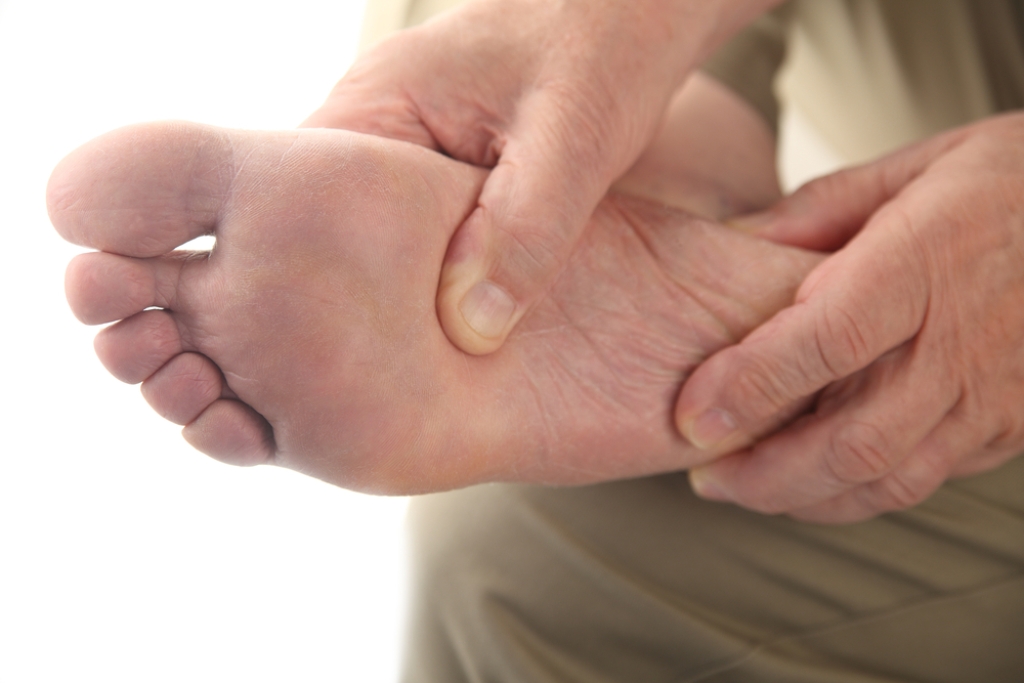
Read more about Foot Care for Pregnant Women

Pain on the Inner Side of the Foot After a Run

Pain on the inner side of the foot is common in runners and may stem from structural problems, overuse, or injury. One possible cause is flat feet, in which the arches collapse during movement. This causes the foot to roll inward, placing excess strain on the inner arch and the plantar fascia, a band of connective tissue that runs from the heel to the toes. Repeated stress in this area can lead to pain both during and after activity. Another potential cause is inflammation of the posterior tibial tendon, which helps support the arch. In some cases, inner foot pain may indicate a stress fracture in a bone such as the navicular bone, caused by repetitive impact. A podiatrist can evaluate the cause of the pain, recommend proper support, and provide appropriate treatment. If you are experiencing pain in the inner side of the foot, especially after running, it is suggested that you schedule an appointment with a podiatrist for a diagnosis and appropriate treatment.

Foot Pain

Foot pain can be extremely painful and debilitating. If you have a foot pain, consult with one of the podiatrists from JE Foot & Ankle Associates. Our doctors will assess your condition and provide you with quality foot and ankle treatment.

Causes

Foot pain is a very broad condition that could be caused by one or more ailments. The most common include:

  • Bunions
  • Hammertoes
  • Plantar Fasciitis
  • Bone Spurs
  • Corns
  • Tarsal Tunnel Syndrome
  • Ingrown Toenails
  • Arthritis (such as Gout, Rheumatoid, and Osteoarthritis)
  • Flat Feet
  • Injury (from stress fractures, broken toe, foot, ankle, Achilles tendon ruptures, and sprains)
  • And more

Diagnosis

To figure out the cause of foot pain, podiatrists utilize several different methods. This can range from simple visual inspections and sensation tests to X-rays and MRI scans. Prior medical history, family medical history, and any recent physical traumatic events will all be taken into consideration for a proper diagnosis.

Treatment

Treatment depends upon the cause of the foot pain. Whether it is resting, staying off the foot, or having surgery; podiatrists have a number of treatment options available for foot pain.

If you have any questions, please feel free to contact one of our offices located in Fleming Island and Palm Coast, FL . We offer the newest diagnostic and treatment technologies for all your foot care needs.
Read more about Foot Pain

Symptoms and Risk Factors for Fungal Toenails

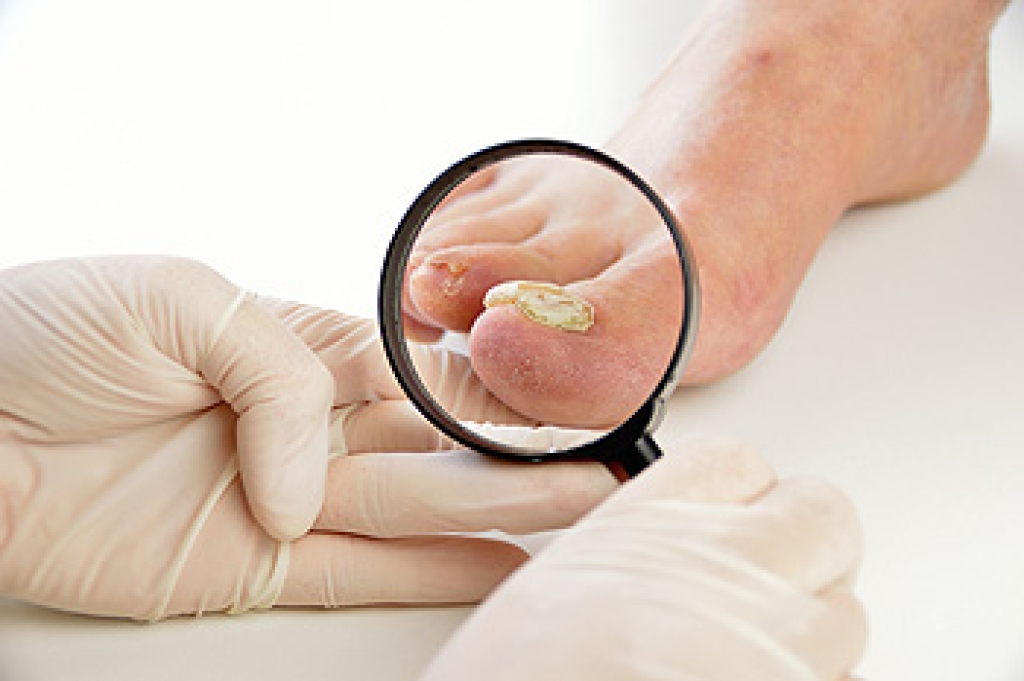
Fungal toenail infections are caused by fungi that thrive in warm, damp environments. These fungi often enter through small cracks in the nail or surrounding skin. Toenails are more frequently affected than fingernails, due to prolonged exposure to enclosed footwear. Symptoms of fungal toenails include thickening, yellow or white streaks, brittle texture, a distorted nail shape, or separation from the nail bed. Risk factors include diabetes, poor circulation, increased age, and frequent exposure to public pool areas. Nail injuries, a weakened immune system, and prolonged moisture around the toes are other risk factors. Wearing tight, enclosed shoes for extended periods may also encourage fungal growth. Diagnosis of the type of fungus requires lab testing or microscopic examination. Common types of toenail infections include distal subungual, white superficial, and proximal subungual, each affecting the nail differently. If you have developed a toenail infection, it is suggested that you make an appointment with a podiatrist for a diagnosis and proper treatment.

For more information about treatment, contact one of the podiatrists of JE Foot & Ankle Associates. Our doctors can provide the care you need to keep you pain-free and on your feet.

Toenail Fungus Treatment

Toenail fungus is a condition that affects many people and can be especially hard to get rid of. Fortunately, there are several methods to go about treating and avoiding it.

Antifungals & Deterrence

Oral antifungal medicine has been shown to be effective in many cases. It is important to consult with a podiatrist to determine the proper regiment for you, or potentially explore other options.

Applying foot powder on the feet and shoes helps keep the feet free of moisture and sweat.

Sandals or open toed shoes – Wearing these will allow air movement and help keep feet dry. They also expose your feet to light, which fungus cannot tolerate. Socks with moisture wicking material also help as well.

If you have any questions please contact one of our offices located in Fleming Island and Palm Coast, FL . We offer the newest diagnostic and treatment technologies for all your foot and ankle needs.

Read more about Treating Toenail Fungus

How Sand Training Affects the Feet

Exercising in sand places unique demands on the feet. The soft, unstable surface increases the need for balance and muscle engagement, especially in the arch and toes. Over time, this can lead to changes in how the foot moves and adapts to uneven ground. Training regularly in sand may strengthen smaller muscles that support the arch and improve flexibility. However, it can also place extra stress on tendons, particularly if the surface is deep or uneven. Some individuals may notice soreness or strain in the ankles or the ball of the foot after repeated sessions. The reduced impact of sand can be beneficial, but without proper preparation or footwear, overuse injuries may develop. Attention to technique, gradual progression, and recovery time are key for avoiding problems. If foot discomfort arises during or after sand-based training, it is suggested that you see a podiatrist for an evaluation and relief options.

Ankle and foot injuries are common among athletes and in many sports. They can be caused by several problems and may be potentially serious. If you are feeling pain or think you were injured in a sporting event or when exercising, consult with one of the podiatrists from JE Foot & Ankle Associates. Our doctors will assess your condition and provide you with quality foot and ankle treatment.

Common Injuries

The most common injuries that occur in sporting activities include:

  • Achilles Tendonitis
  • Achilles Tendon Rupture
  • Ankle Sprains
  • Broken Foot
  • Plantar Fasciitis
  • Stress Fractures
  • Turf Toe

Symptoms

Symptoms vary depending upon the injury and in some cases, there may be no symptoms at all. However, in most cases, some form of symptom is experienced. Pain, aching, burning, bruising, tenderness, tightness or stiffness, sensation loss, difficulty moving, and swelling are the most common symptoms.

Treatment

Just as symptoms vary depending upon the injury, so do treatment options. A common treatment method is known as the RICE method. This method involves rest, applying ice, compression and elevating the afflicted foot or ankle. If the injury appears to be more serious, surgery might be required, such as arthroscopic or reconstructive surgery. Lastly, rehabilitation or therapy might be needed to gain full functionality in the afflicted area. Any discomfort experienced by an athlete must be evaluated by a licensed, reputable medical professional.  

If you have any questions please contact one of our offices located in Fleming Island and Palm Coast, FL . We offer the newest diagnostic and treatment technologies for all your foot and ankle needs.

Read more about Sports Related Foot and Ankle Injuries

Do Your Child's Feet Hurt?

Have your child's feet been examined lately? Healthy feet are happy feet. If your child is complaining of foot pain, it may be a sign of underlying problems.

scroll to top