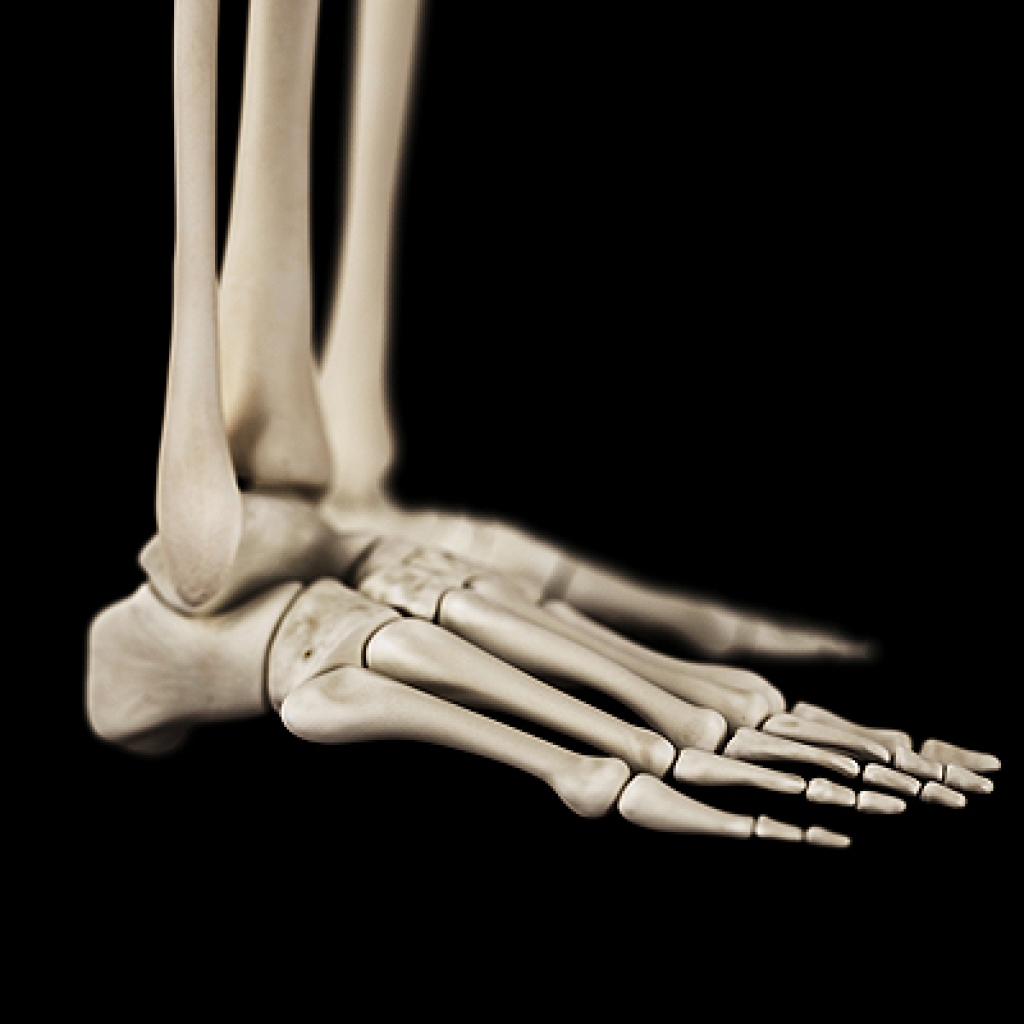
Exploring Foot Bones and Conditions Impacting Them

Beneath the skin's surface lies a fascinating framework of foot bones, intricately designed to support our weight and enable movement. Comprising 26 bones, the foot forms three arches that are crucial for balance and shock absorption. However, this intricate structure is vulnerable to various conditions. Fractures can occur due to accidents or stress, while arthritis, an inflammation of joints, can erode bone surfaces. Bunions, caused by misalignment of bones, lead to a bony bump at the base of the big toe. Plantar fasciitis, arising from excessive strain, can cause heel pain. Understanding these conditions empowers us to prioritize foot health. Wearing proper footwear, managing weight, and engaging in a regular exercise routine are vital in preventing foot conditions. If you would like to learn about foot biomechanics, it is suggested that you speak with a podiatrist who can provide you with useful information. 

If you have any concerns about your feet, contact one of the podiatrists from JE Foot & Ankle Associates. Our doctors can provide the care you need to keep you pain-free and on your feet.

Biomechanics in Podiatry

Podiatric biomechanics is a particular sector of specialty podiatry with licensed practitioners who are trained to diagnose and treat conditions affecting the foot, ankle and lower leg. Biomechanics deals with the forces that act against the body, causing an interference with the biological structures. It focuses on the movement of the ankle, the foot and the forces that interact with them.

A History of Biomechanics

  • Biomechanics dates back to the BC era in Egypt where evidence of professional foot care has been recorded.
  • In 1974, biomechanics gained a higher profile from the studies of Merton Root, who claimed that by changing or controlling the forces between the ankle and the foot, corrections or conditions could be implemented to gain strength and coordination in the area.

Modern technological improvements are based on past theories and therapeutic processes that provide a better understanding of podiatric concepts for biomechanics. Computers can provide accurate information about the forces and patterns of the feet and lower legs.

Understanding biomechanics of the feet can help improve and eliminate pain, stopping further stress to the foot.

If you have any questions please feel free to contact one of our offices located in Fleming Island and Palm Coast, FL . We offer the newest diagnostic and treatment technologies for all your foot and ankle needs.
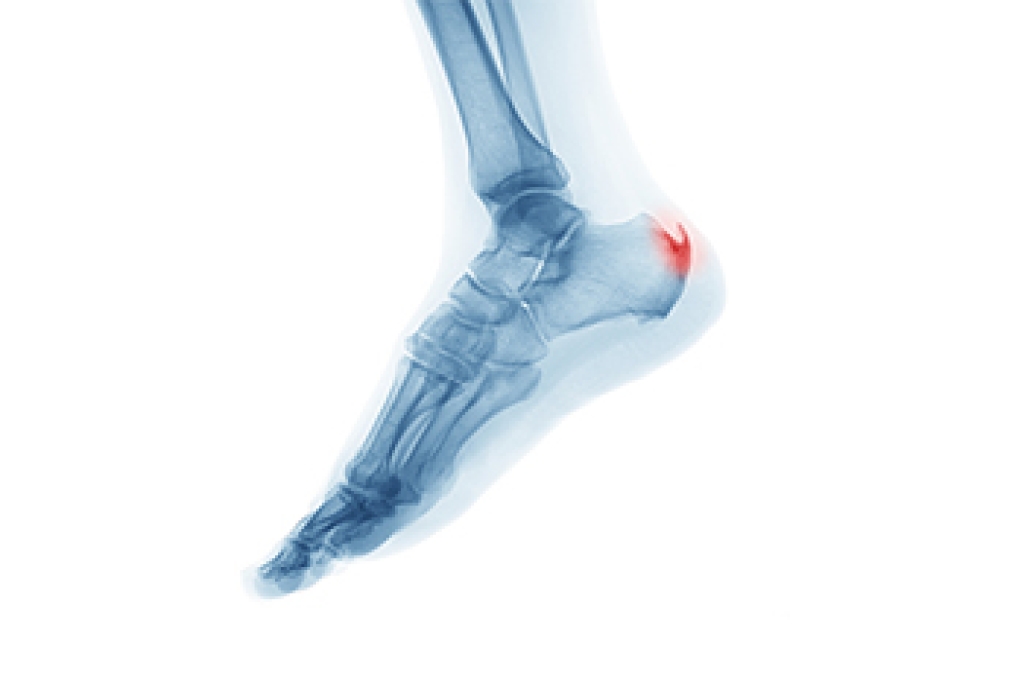
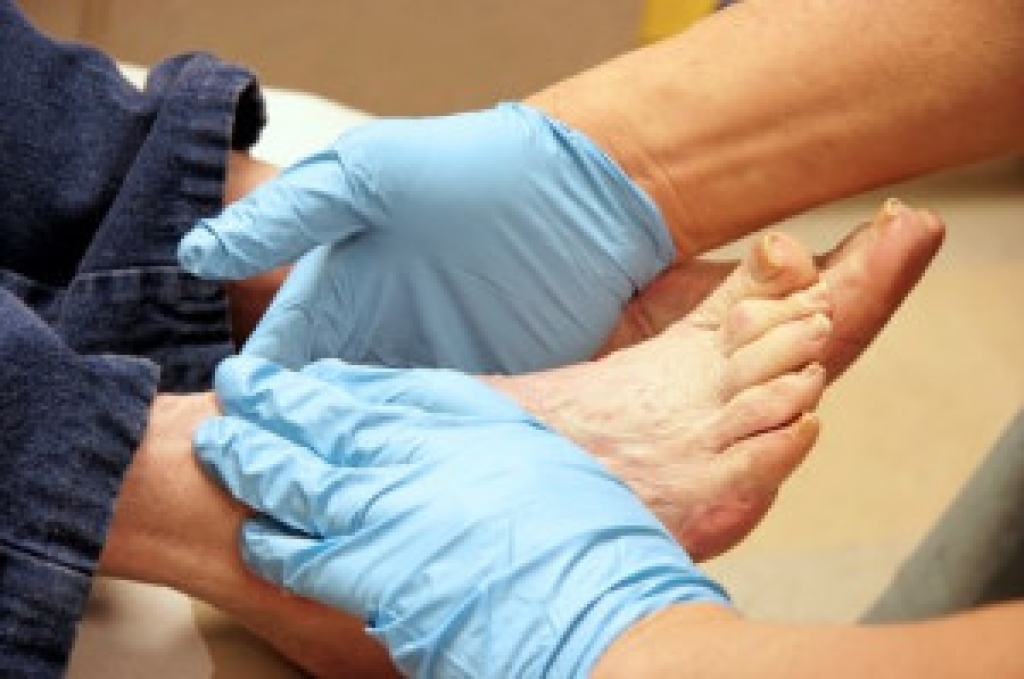
Read more about Biomechanics in Podiatry

Causes, Symptoms, and Relief Options for Heel Spurs

Heel spurs, those tiny bony protrusions at the base of the heel, can spark significant discomfort and hinder daily activities. Heel spurs occur as a result of calcium deposits accumulating over time, often caused by strains on the foot's ligaments and muscles. Individuals who engage in repetitive activities or those with flat feet are particularly susceptible. Symptoms include sharp pain, especially while walking or when standing after rest, in addition to tenderness and inflammation. Understanding the underlying causes is pivotal for addressing heel spurs. Treatments encompass a range of approaches that can range from rest, wearing orthotic inserts to taking anti-inflammatory medications. In more severe cases, medical interventions such as surgery may be considered. With proper care and treatment, individuals can regain comfort and resume daily activities. If you have developed a heel spur, it is strongly suggested that you are under the care of a podiatrist who can effectively diagnose and treat this ailment.

Heel spurs can be incredibly painful and sometimes may make you unable to participate in physical activities. To get medical care for your heel spurs, contact one of the podiatrists from JE Foot & Ankle Associates. Our doctors will do everything possible to treat your condition.

Heels Spurs

Heel spurs are formed by calcium deposits on the back of the foot where the heel is. This can also be caused by small fragments of bone breaking off one section of the foot, attaching onto the back of the foot. Heel spurs can also be bone growth on the back of the foot and may grow in the direction of the arch of the foot.

Older individuals usually suffer from heel spurs and pain sometimes intensifies with age. One of the main condition's spurs are related to is plantar fasciitis.

Pain

The pain associated with spurs is often because of weight placed on the feet. When someone is walking, their entire weight is concentrated on the feet. Bone spurs then have the tendency to affect other bones and tissues around the foot. As the pain continues, the feet will become tender and sensitive over time.

Treatments

There are many ways to treat heel spurs. If one is suffering from heel spurs in conjunction with pain, there are several methods for healing. Medication, surgery, and herbal care are some options.

If you have any questions, please feel free to contact one of our offices located in Fleming Island and Palm Coast, FL . We offer the newest diagnostic and treatment technologies for all your foot care needs.

Read more about How to Treat Heel Spurs

Nurturing Diabetic Feet with Knowledge and Caution

Proper foot care is of utmost importance for individuals with diabetes, as they are more susceptible to foot complications. Diabetic neuropathy, a condition that impairs nerve function, can reduce sensation in the feet, making it challenging to detect injuries or infections. Regular foot inspections, daily washing with lukewarm water, and thorough drying are essential to maintaining foot health. Applying moisturizer to prevent dry skin and wearing shoes that fit well may help to prevent potential wounds. Trimming toenails straight across and avoiding sharp corners can reduce the risk of ingrown toenails. It's crucial to avoid walking barefoot in addition to inspecting shoes for foreign objects before wearing them. By incorporating these simple, yet vital, steps into their routine, individuals with diabetes can safeguard their foot health and minimize the risk of serious complications. If you have diabetes, it is strongly suggested that you are under the care of a podiatrist who can help you to manage this condition.

Diabetic foot care is important in preventing foot ailments such as ulcers. If you are suffering from diabetes or have any other concerns about your feet, contact one of the podiatrists from JE Foot & Ankle Associates. Our doctors can provide the care you need to keep you pain-free and on your feet.

Diabetic Foot Care

Diabetes affects millions of people every year. The condition can damage blood vessels in many parts of the body, especially the feet. Because of this, taking care of your feet is essential if you have diabetes, and having a podiatrist help monitor your foot health is highly recommended.

The Importance of Caring for Your Feet

  • Routinely inspect your feet for bruises or sores.
  • Wear socks that fit your feet comfortably.
  • Wear comfortable shoes that provide adequate support.

Patients with diabetes should have their doctor monitor their blood levels, as blood sugar levels play such a huge role in diabetic care. Monitoring these levels on a regular basis is highly advised.

It is always best to inform your healthcare professional of any concerns you may have regarding your feet, especially for diabetic patients. Early treatment and routine foot examinations are keys to maintaining proper health, especially because severe complications can arise if proper treatment is not applied.

If you have any questions, please feel free to contact one of our offices located in Fleming Island and Palm Coast, FL . We offer the newest diagnostic and treatment technologies for all your foot care needs.

Read more about Diabetic Foot Care

The Importance of Stretching for Healthy Feet

Stretching plays a vital role in maintaining healthy feet and overall well-being. It offers numerous benefits, such as improved flexibility, better circulation, reduced risk of injury, and less pain. By incorporating a few minutes of stretching into your daily routine, you can experience these advantages. Morning stretches can be instinctive, where your body subconsciously stretches to modify tension in the feet, surrounding muscles, organs, and blood vessels. Sitting or standing for extended periods can lead to muscle tightness and discomfort. Incorporating stretching breaks can help ease tension in the neck, back, hips, legs, and feet. Stretching before bedtime can promote relaxation and improved sleep quality. If you would like more information about specific stretches that will help your feet, it is suggested that you make an appointment with a podiatrist who can provide this type of information.

Stretching the feet is a great way to prevent injuries. If you have any concerns with your feet consult with one of the podiatrists from JE Foot & Ankle Associates. Our doctors will assess your condition and provide you with quality foot and ankle treatment.

Stretching the Feet

Stretching the muscles in the foot is an important part in any physical activity. Feet that are tight can lead to less flexibility and make you more prone to injury. One of the most common forms of foot pain, plantar fasciitis, can be stretched out to help ease the pain. Stretching can not only ease pain from plantar fasciitis but also prevent it as well. However, it is important to see a podiatrist first if stretching is right for you. Podiatrists can also recommend other ways to stretch your feet. Once you know whether stretching is right for you, here are some excellent stretches you can do.

  • Using a foam roller or any cylindrical object (a water bottle or soda can will do), roll the object under your foot back and forth. You should also exert pressure on the object. Be sure to do this to both feet for a minute. Do this exercise three times each.
  • Similar to the previous one, take a ball, such as a tennis ball, and roll it under your foot while seated and exert pressure on it.
  • Grab a resistance band or towel and take a seat. If you are using a towel, fold it length wise. Next put either one between the ball of your foot and heel and pull with both hands on each side towards you. Hold this for 15 seconds and then switch feet. Do this three times for each foot.
  • Finally hold your big toe while crossing one leg over the other. Pull the toe towards you and hold for 15 seconds. Once again do this three times per foot.

It is best to go easy when first stretching your foot and work your way up. If your foot starts hurting, stop exercising and ice and rest the foot. It is advised to then see a podiatrist for help.

If you have any questions please contact one of our offices located in Fleming Island and Palm Coast, FL . We offer the newest diagnostic and treatment technologies for all your foot and ankle needs.
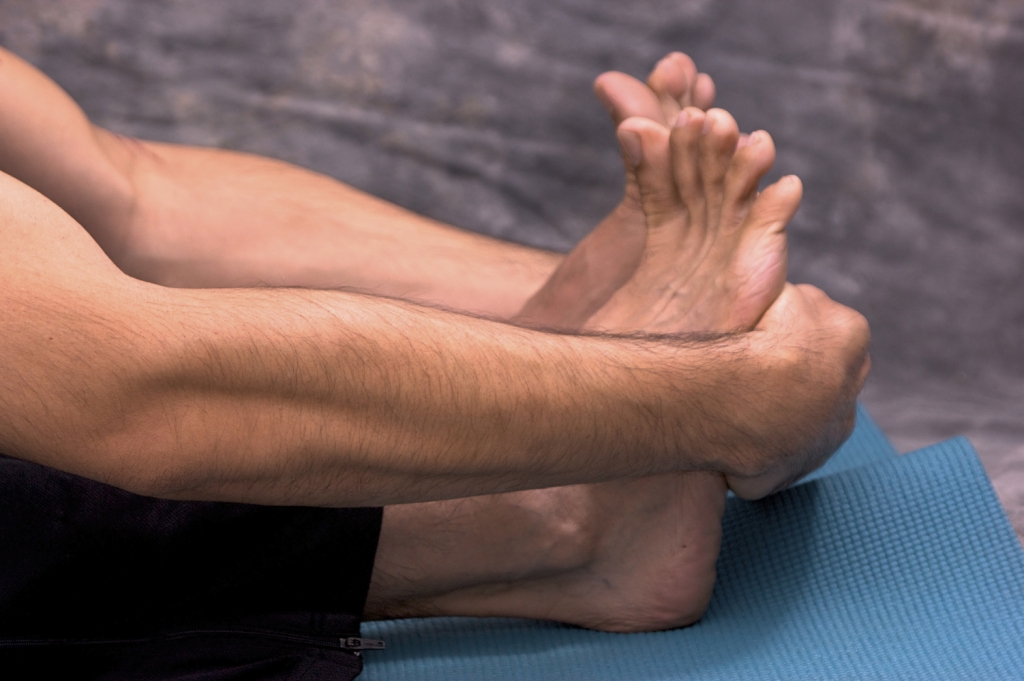
Read more about Stretching Your Feet

Why Live with Pain and Numbness in Your Feet?

Suffering from this type of pain? You may have the foot condition known as Morton's neuroma. Morton's neuroma may develop as a result of ill-fitting footwear and existing foot deformities. We can help.

scroll to top