
If left untreated, an ingrown toenail can lead to more serious concerns, such as an infection. Knowing proper nail care can help in the prevention of an ingrown toenail. Give us a call, and get treated!
If left untreated, an ingrown toenail can lead to more serious concerns, such as an infection. Knowing proper nail care can help in the prevention of an ingrown toenail. Give us a call, and get treated!
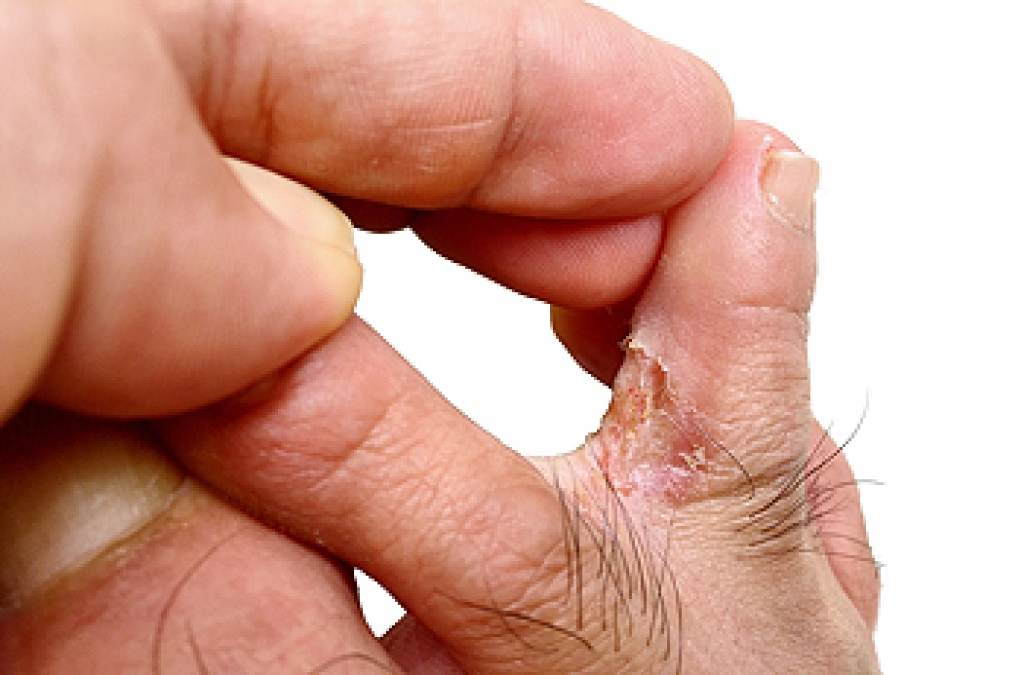
Athlete's foot is a common fungal infection that affects the skin of the feet. Despite its name, anyone can develop athlete's foot, not just athletes. The infection often begins between the toes, but may spread to other areas of the foot if exposed to the fungus. Common symptoms include itching, redness, and peeling skin. Some people also notice burning, cracking, or dry, flaky patches that become uncomfortable while walking. Because the infection thrives in warm, moist environments, it is more likely to develop in places where feet remain damp for extended periods. A professional evaluation is important because athlete's foot can resemble other skin conditions, making an accurate diagnosis essential for effective treatment.
Although athlete's foot usually starts as a skin infection, it can become more serious if it continues to spread. Cracked skin may allow bacteria to enter, increasing the risk of a secondary infection. In some cases, the fungus may also spread to the toenails, making treatment more challenging. Individuals with diabetes or weakened immune systems may have a greater risk of complications and should not ignore persistent symptoms. A comprehensive podiatry examination helps confirm the diagnosis while evaluating the extent of the infection and the overall health of the feet. Early diagnosis allows treatment to begin before the condition becomes more widespread or leads to additional foot problems.
A podiatrist specializes in diagnosing and treating athlete's foot while identifying any underlying conditions that may contribute to recurring infections. Professional care focuses on eliminating the infection, relieving uncomfortable symptoms, and protecting the health of the skin and toenails. Treatment is tailored to each patient's condition and adjusted as needed to support recovery. Regular podiatry visits may also help identify changes in foot health before they become more serious. If you have persistent itching, peeling skin, or other symptoms of athlete's foot, it is suggested that you consult a podiatrist for an evaluation and appropriate treatment options.
Athlete’s foot is often an uncomfortable condition to experience. Thankfully, podiatrists specialize in treating athlete’s foot and offer the best treatment options. If you have any questions about athlete’s foot, consult with one of the podiatrists from JE Foot & Ankle Associates. Our doctors will assess your condition and provide you with quality treatment.
Tinea pedis, more commonly known as athlete’s foot, is a non-serious and common fungal infection of the foot. Athlete’s foot is contagious and can be contracted by touching someone who has it or infected surfaces. The most common places contaminated by it are public showers, locker rooms, and swimming pools. Once contracted, it grows on feet that are left inside moist, dark, and warm shoes and socks.
The most effective ways to prevent athlete’s foot include:
Athlete’s foot initially occurs as a rash between the toes. However, if left undiagnosed, it can spread to the sides and bottom of the feet, toenails, and if touched by hand, the hands themselves. Symptoms include:
Diagnosis is quick and easy. Skin samples will be taken and either viewed under a microscope or sent to a lab for testing. Sometimes, a podiatrist can diagnose it based on simply looking at it. Once confirmed, treatment options include oral and topical antifungal medications.
If you have any questions, please feel free to contact our office located in Fleming Island, FL . We offer the newest diagnostic and treatment technologies for all your foot care needs.
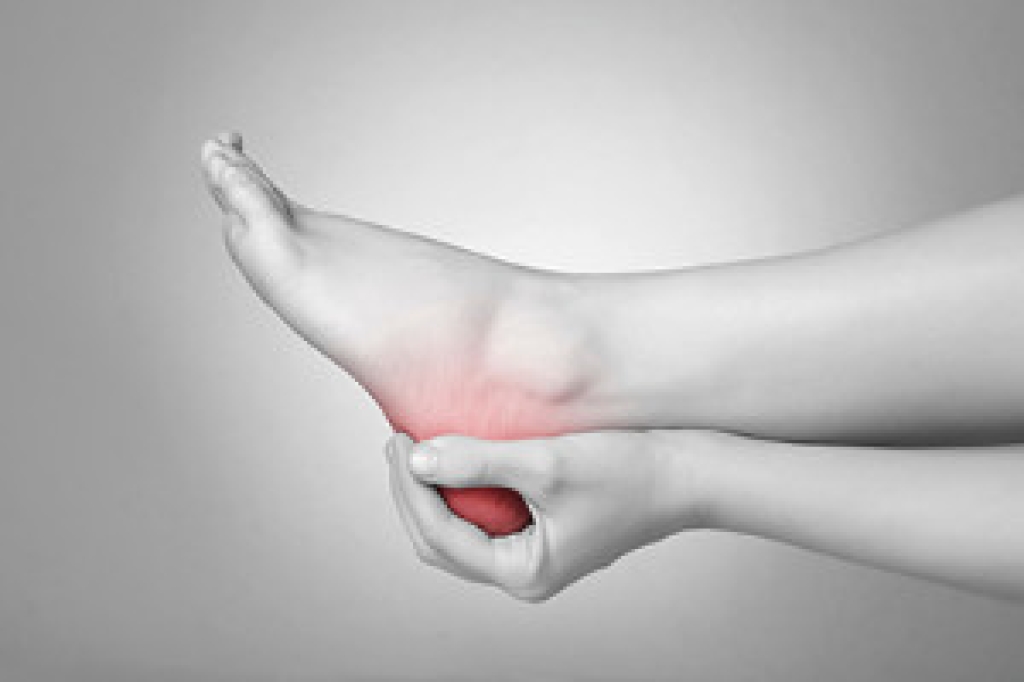
Heel pain can develop from several conditions that affect the structures surrounding the foot and ankle. The heel absorbs a significant amount of pressure during standing, walking, and physical activity, making it vulnerable to stress and injury. Pain may occur underneath the heel, around the sides of the foot, or at the back near the Achilles tendon. Identifying the location and type of discomfort can help determine the possible cause and appropriate treatment approach.
Symptoms of heel pain may include sharp pain, dull aching sensations, and stiffness. Sharp pain is often noticed with the first steps after waking up or after extended periods of inactivity. Dull pain may develop after long periods of standing or exercise. Some individuals may also experience difficulty walking, reduced mobility, or discomfort when wearing certain shoes. These symptoms can affect daily activities if not addressed properly.
Plantar fasciitis and Achilles tendonitis are two leading causes of heel pain. Plantar fasciitis involves inflammation and irritation of the plantar fascia, causing pain underneath the heel and along the arch. Achilles tendonitis affects the tendon at the back of the heel and often develops from repetitive stress. Symptoms of Achilles tendonitis include stiffness, tenderness, and pain that worsens with movement. Risk factors can include running, jumping activities, and wearing poor footwear. In addition to excess body weight, and limited flexibility.
Managing heel pain requires identifying the cause and addressing contributing factors. Wearing supportive footwear, stretching exercises, and activity modifications can help reduce strain on the affected tissues. Early evaluation can improve comfort and prevent further complications. If you have heel pain, it is suggested that you consult a podiatrist for an accurate diagnosis and appropriate treatment plan.
Many people suffer from bouts of heel pain. For more information, contact one of the podiatrists of JE Foot & Ankle Associates. Our doctors can provide the care you need to keep you pain-free and on your feet.
Heel pain is often associated with plantar fasciitis. The plantar fascia is a band of tissues that extends along the bottom of the foot. A rip or tear in this ligament can cause inflammation of the tissue.
Achilles tendonitis is another cause of heel pain. Inflammation of the Achilles tendon will cause pain from fractures and muscle tearing. Lack of flexibility is also another symptom.
Heel spurs are another cause of pain. When the tissues of the plantar fascia undergo a great deal of stress, it can lead to ligament separation from the heel bone, causing heel spurs.
Heel pain should be treated as soon as possible for immediate results. Keeping your feet in a stress-free environment will help. If you suffer from Achilles tendonitis or plantar fasciitis, applying ice will reduce the swelling. Stretching before an exercise like running will help the muscles. Using all these tips will help make heel pain a condition of the past.
If you have any questions, please feel free to contact our office located in Fleming Island, FL . We offer the newest diagnostic and treatment technologies for all your foot care needs.

Heel pain in children often occurs during periods of rapid growth. Sever’s disease is frequently linked to overuse and strain on the developing structures of the foot. Children between the ages of eight and 14 are especially at risk because their bones may grow faster than the surrounding muscles and tendons. This imbalance can place added tension on the heel, leading to irritation and pain. Active children who participate in sports that involve running and jumping may experience this condition more often.
Symptoms of heel pain in children include tenderness at the back or bottom of the heel, discomfort during physical activity, and stiffness after rest. Some children may limp or avoid placing full weight on the affected foot. Pain may increase during sports and improve with rest, but it can return when activity resumes. In some cases, swelling or tightness in the calf muscles may also be present. Early recognition of these symptoms can help prevent worsening discomfort and support proper healing.
The main cause of heel pain in children, often called Sever’s disease, can be related to growth spurts. During their adolescent years, the heel bone grows rapidly, while the surrounding muscles and tendons may not keep pace. This can lead to increased tension on the heel. Repetitive impact from sports and physical activities can further strain the area. Relief often includes stretching exercises to improve flexibility and reduce stress on the heel. Parents should never push children through heel pain, as this can lead to more serious issues.
Risk factors for heel pain in children include high levels of physical activity, tight calf muscles, and participation in sports played on hard surfaces. Early attention is important for maintaining comfort and mobility. If your active child has heel pain, it is suggested that you consult a podiatrist for effective relief and management solutions.
Sever's disease often occurs in children and teens. If your child is experiencing foot or ankle pain, see one of the podiatrists from JE Foot & Ankle Associates. Our doctors can treat your child’s foot and ankle needs.
Sever’s disease is also known as calcaneal apophysitis, which is a medical condition that causes heel pain I none or both feet. The disease is known to affect children between the ages of 8 and 14.
Sever’s disease occurs when part of the child’s heel known as the growth plate (calcaneal epiphysis) is attached to the Achilles tendon. This area can suffer injury when the muscles and tendons of the growing foot do not keep pace with bone growth. Therefore, the constant pain which one experiences at the back of the heel will make the child unable to put any weight on the heel. The child is then forced to walk on their toes.
Acute pain – Pain associated with Sever’s disease is usually felt in the heel when the child engages in physical activity such as walking, jumping and or running.
Highly active – Children who are very active are among the most susceptible in experiencing Sever’s disease, because of the stress and tension placed on their feet.
If you have any questions, please feel free to contact our office located in Fleming Island, FL . We offer the newest diagnostic and treatment technologies for all your foot care needs.

Congenital foot problems are conditions that are present at birth. Some are easy to notice right away, while others become more obvious as a child begins standing and walking. These conditions can affect the shape, position, or movement of the feet. Some are mild and improve as a child grows. Others require prompt care to help the feet develop correctly. Examples include clubfoot, flat feet, and high-arched feet. Clubfoot causes the foot to turn inward and downward. Another condition, called metatarsus adductus, causes the front of the foot to curve inward. A podiatrist examines the feet, checks how they move, and looks for signs that the condition could affect healthy growth or normal movement.
Some congenital foot problems become more noticeable when a child starts walking. Parents might see uneven shoe wear, frequent tripping, or a foot that points in an unusual direction. Certain conditions also affect balance and standing. A podiatrist performs a detailed examination and determines whether the problem is flexible or more rigid. Imaging tests are sometimes used to better understand the bones and joints. Care depends on the child's age, the type of condition, and how much it affects daily activities. Treatment includes custom orthotics, special casts, or braces designed to improve foot position. Some children benefit from surgery when the deformity is severe or limits normal foot function.
Regular follow-up visits allow a podiatrist to monitor foot growth and make changes to treatment as a child develops. Early care can improve walking, reduce discomfort, and support healthy foot function for many years. Parents should not ignore changes in foot shape, balance, or the way a child walks. Prompt evaluation provides valuable information and helps guide the best treatment plan. If your child is born with a foot disorder, it is suggested that you schedule an appointment with a podiatrist for effective treatment and management solutions.
Congenital foot problems require immediate attention to avoid future complications. If you have any concerns, contact one of the podiatrists of JE Foot & Ankle Associates. Our doctors can provide the care you need to keep you pain-free and on your feet.
Congenital foot problems are deformities affecting the feet, toes, and/or ankles that children are born with. Some of these conditions have a genetic cause while others just happen. Some specific foot ailments that children may be born with include clubfeet, polydactyly/macrodactyly, and cleft foot. There are several other foot anomalies that can occur congenitally. What all of these conditions have in common is that a child may experience difficulty walking or performing everyday activities, as well as trouble finding footwear that fits their foot deformity. Some of these conditions are more serious than others. Consulting with a podiatrist as early as possible will help in properly diagnosing a child’s foot condition while getting the necessary treatment underway.
A congenital foot problem is one that happens to a child at birth. These conditions can be caused by a genetic predisposition, developmental or positional abnormalities during gestation, or with no known cause.
Symptoms vary by the congenital condition. Symptoms may consist of the following:
While there is nothing one can do to prevent congenital foot problems, raising awareness and receiving neonatal screenings are important. Early detection by taking your child to a podiatrist leads to the best outcome possible.
If you have any questions, please feel free to contact our office located in Fleming Island, FL . We offer the newest diagnostic and treatment technologies for all your foot care needs.
