Treatment Options for Hallux Rigidus

Hallux rigidus is a form of arthritis that affects the joint at the base of the big toe, causing pain and stiffness that can make walking uncomfortable. Many people first notice difficulty bending the toe, pain during push-off, or swelling around the joint. Treatment depends on how advanced the condition has become and how much it affects daily life. Early care may include shoe changes, custom orthotics, activity adjustments, and anti-inflammatory treatments to reduce pressure on the joint and improve comfort. Some patients benefit from targeted exercises to help maintain movement. When pain becomes more severe, or motion is greatly limited, procedures may be considered to remove damaged tissue, improve joint movement, or address advanced joint damage. Managing symptoms early may help slow progression and keep you active. If you have big toe pain and stiffness, it is suggested that you visit a podiatrist for appropriate treatment solutions.

Toe pain can disrupt your daily activities. If you have any concerns, contact one of the podiatrists of JE Foot & Ankle Associates. Our doctors can provide the care you need to keep you pain-free and on your feet.

What Causes Toe Pain?

Most severe toe pain is caused due to a sports injury, trauma from dropping something heavy on the toe, or bumping into something rigid. Other problems can develop over time for various reasons.

Toe pain can be caused by one or more ailments. The most common include:

  • Trauma
  • Sports injury
  • Wearing shoes that are too tight
  • Arthritis
  • Gout
  • Corns and calluses
  • Hammertoe
  • Bunions
  • Blisters
  • Ingrown toenails
  • Sprains
  • Fractures (broken bones)
  • Dislocations

When to See a Podiatrist

  • Severe pain
  • Persistent pain that lasts more than a week
  • Signs of infection
  • Continued swelling
  • Pain that prevents walking

Diagnosis

In many cases the cause of toe pain is obvious, but in others, a podiatrist may want to use more advanced methods to determine the problem. These can range from simple visual inspections and sensation tests to X-rays and MRI scans. Prior medical history, family medical history, and any recent physical traumatic events will all be taken into consideration for a proper diagnosis.

Treatment

Treatments for toe pain and injuries vary and may include shoe inserts, padding, taping, medicines, injections, and in some cases, surgery. If you believe that you have broken a toe, please see a podiatrist as soon as possible.

If you have any questions please contact our office located in Fleming Island, FL . We offer the newest diagnostic and treatment technologies for all your foot and ankle needs.
Read more about Toe Pain

Possible Causes of a Broken Toe

A broken toe can often be the result of an injury, or a stress fracture in the toe may happen gradually. Additionally, the toe can break while stepping off of a curb unexpectedly, or if a heavy object falls on it. Common symptoms that are associated with a broken toe can include swelling, pain and discomfort, and it may be difficult to walk. An effective treatment method can consist of buddy taping. This is accomplished by taping the affected toe to the toe next to it, and this generally provides the support that is needed as the healing process occurs. In severe fractures, the bone may be protruding from the skin, and this will require immediate medical attention. If you have injured your toe, and it is bruised and swollen, it is suggested that you speak with a podiatrist, who can perform a proper diagnosis and offer the correct treatment options.

Broken toes may cause a lot of pain and should be treated as soon as possible. If you have any concerns about your feet, contact one of the podiatrists from JE Foot & Ankle Associates. Our doctors will treat your foot and ankle needs.

What Is a Broken Toe?

A broken toe occurs when one or more of the toe bones of the foot are broken after an injury. Injuries such as stubbing your toe or dropping a heavy object on it may cause a toe fracture.

Symptoms of a Broken Toe

  • Swelling
  • Pain (with/without wearing shoes)
  • Stiffness
  • Nail Injury

Although the injured toe should be monitored daily, it is especially important to have a podiatrist look at your toe if you have severe symptoms. Some of these symptoms include worsening or new pain that is not relieved with medication, sores, redness, or open wounds near the toe.

If you have any questions please feel free to contact our office located in Fleming Island, FL . We offer the newest diagnostic tools and technology to treat your foot and ankle needs.

Read more about What to Know About a Broken Toe

When Your Child Has Arthritis

Juvenile arthritis causes joint pain and swelling in children. It can affect the feet, ankles, knees, and other joints, making it harder for a child to walk, run, or stay active. Symptoms include stiffness in the morning, swollen joints, and pain while walking. Children may also feel tired or develop warmth and redness around the joints. When the feet and ankles are affected, children may limp or avoid certain activities because of discomfort. A podiatrist can examine how the child walks and check for joint changes in the feet. Treatment includes custom orthotics, supportive footwear, and braces that help reduce pressure on painful joints. Stretching exercises and monitoring foot growth can also help improve comfort and movement. If your child has foot or ankle pain linked to arthritis, it is suggested that you make an appointment with a podiatrist for an exam and treatment options.

Arthritis can be a difficult condition to live with. If you are seeking treatment, contact one of the podiatrists from JE Foot & Ankle Associates. Our doctors can provide the care you need to keep you pain-free and on your feet.

Arthritic Foot Care  

Arthritis is a term that is commonly used to describe joint pain.  The condition itself can occur to anyone of any age, race, or gender, and there are over 100 types of it.  Nevertheless, arthritis is more commonly found in women compared to men, and it is also more prevalent in those who are overweight. The causes of arthritis vary depending on which type of arthritis you have. Osteoarthritis for example, is often caused by injury, while rheumatoid arthritis is caused by a misdirected immune system.

Symptoms

  • Swelling
  • Pain
  • Stiffness
  • Decreased Range of Motion

Arthritic symptoms range in severity, and they may come and go. Some symptoms stay the same for several years but could potentially get worse with time. Severe cases of arthritis can prevent its sufferers from performing daily activities and make walking difficult.

Risk Factors

  • Occupation – Occupations requiring repetitive knee movements have been linked to osteoarthritis
  • Obesity – Excess weight can contribute to osteoarthritis development
  • Infection – Microbial agents can infect the joints and trigger arthritis
  • Joint Injuries – Damage to joints may lead to osteoarthritis
  • Age – Risk increases with age
  • Gender –Most types are more common in women
  • Genetics – Arthritis can be hereditary

If you suspect your arthritis is affecting your feet, it is crucial that you see a podiatrist immediately. Your doctor will be able to address your specific case and help you decide which treatment method is best for you.

If you have any questions please feel free to contact our office located in Fleming Island, FL . We offer the newest diagnostic tools and technology to treat your foot and ankle needs.

Read more about How to Care for Your Arthritic Foot

Understanding Gout Risk Factors

Gout is a well-known and ancient form of arthritis that occurs when excess uric acid in the blood forms crystals inside a joint. The big toe is often affected, leading to sudden pain, swelling, redness, and warmth that can make walking difficult. These episodes may develop quickly and feel severe even at rest. Several factors can increase the likelihood of gout, including inherited traits, regular alcohol use, and diets high in red meat or sweetened beverages. Being overweight and having certain health conditions can also raise risk. A podiatrist can confirm the cause of joint pain and provide treatment to reduce inflammation and prevent long-term damage. If you have symptoms of gout, it is suggested that you seek evaluation from a podiatrist.

Gout is a foot condition that requires certain treatment and care. If you are seeking treatment, contact one of the podiatrists from JE Foot & Ankle Associates. Our doctors will treat your foot and ankle needs.

What Is Gout?

Gout is a type of arthritis caused by a buildup of uric acid in the bloodstream. It often develops in the foot, especially the big toe area, although it can manifest in other parts of the body as well. Gout can make walking and standing very painful and is especially common in diabetics and the obese.

People typically get gout because of a poor diet. Genetic predisposition is also a factor. The children of parents who have had gout frequently have a chance of developing it themselves.

Gout can easily be identified by redness and inflammation of the big toe and the surrounding areas of the foot. Other symptoms include extreme fatigue, joint pain, and running high fevers. Sometimes corticosteroid drugs can be prescribed to treat gout, but the best way to combat this disease is to get more exercise and eat a better diet.

If you have any questions, please feel free to contact our office located in Fleming Island, FL . We offer the newest diagnostic and treatment technologies for all your foot care needs.

Read more about Everything You Need to Know About Gout

Noticeable Symptoms of a Toenail Fungus

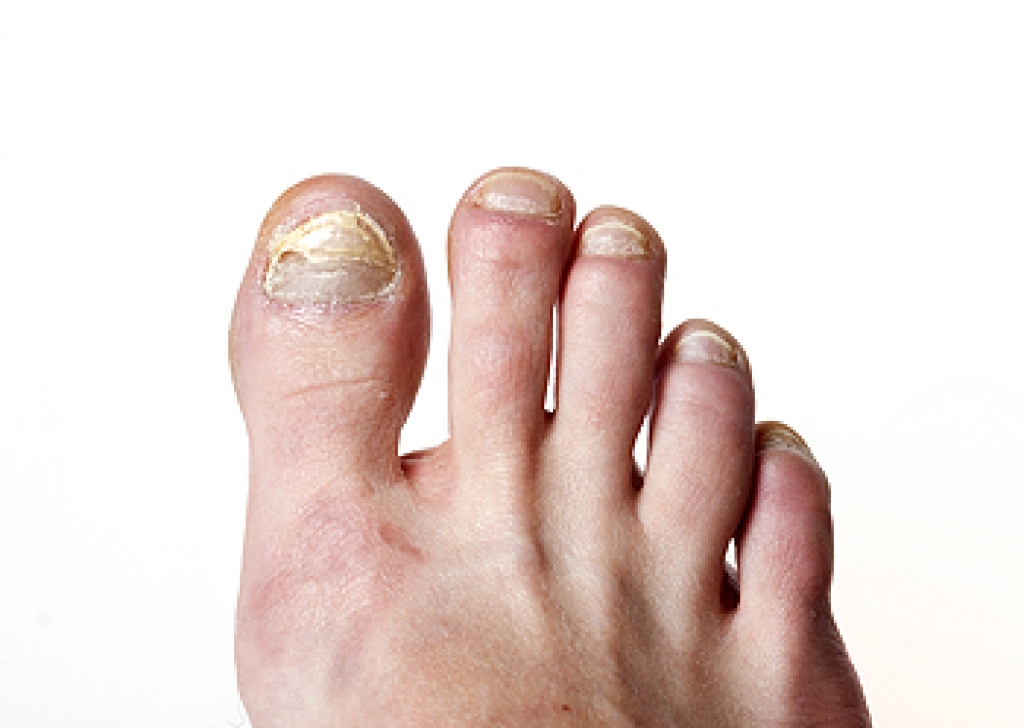
A noticeable sign of an existing toenail fungus is often a discoloration of the nail. It can be accompanied by a thickening of the nail, and it may appear to be brittle. This contagious condition is caused by a fungus that lives in warm and moist environments. These areas can include public pools, shower room floors, and locker rooms. If you frequent these places, it is beneficial to wear appropriate shoes, which may be helpful in preventing toenail fungus. Patients who enjoy getting pedicures must ensure that the tools that are used are clean and sterile. Additional sources of contracting toenail fungus can consist of wearing shoes and socks that prevent ventilation, or medical conditions such as diabetes and weakened immune systems. If you have developed this condition, it is suggested that you seek the counsel of a podiatrist who can guide you toward proper treatment options.

For more information about treatment, contact one of the podiatrists of JE Foot & Ankle Associates. Our doctors can provide the care you need to keep you pain-free and on your feet.

Toenail Fungus Treatment

Toenail fungus is a condition that affects many people and can be especially hard to get rid of. Fortunately, there are several methods to go about treating and avoiding it.

Antifungals & Deterrence

Oral antifungal medicine has been shown to be effective in many cases. It is important to consult with a podiatrist to determine the proper regiment for you, or potentially explore other options.

Applying foot powder on the feet and shoes helps keep the feet free of moisture and sweat.

Sandals or open toed shoes – Wearing these will allow air movement and help keep feet dry. They also expose your feet to light, which fungus cannot tolerate. Socks with moisture wicking material also help as well.

If you have any questions please contact our office located in Fleming Island, FL . We offer the newest diagnostic and treatment technologies for all your foot and ankle needs.

Read more about How to Treat Your Toenail Fungus

scroll to top