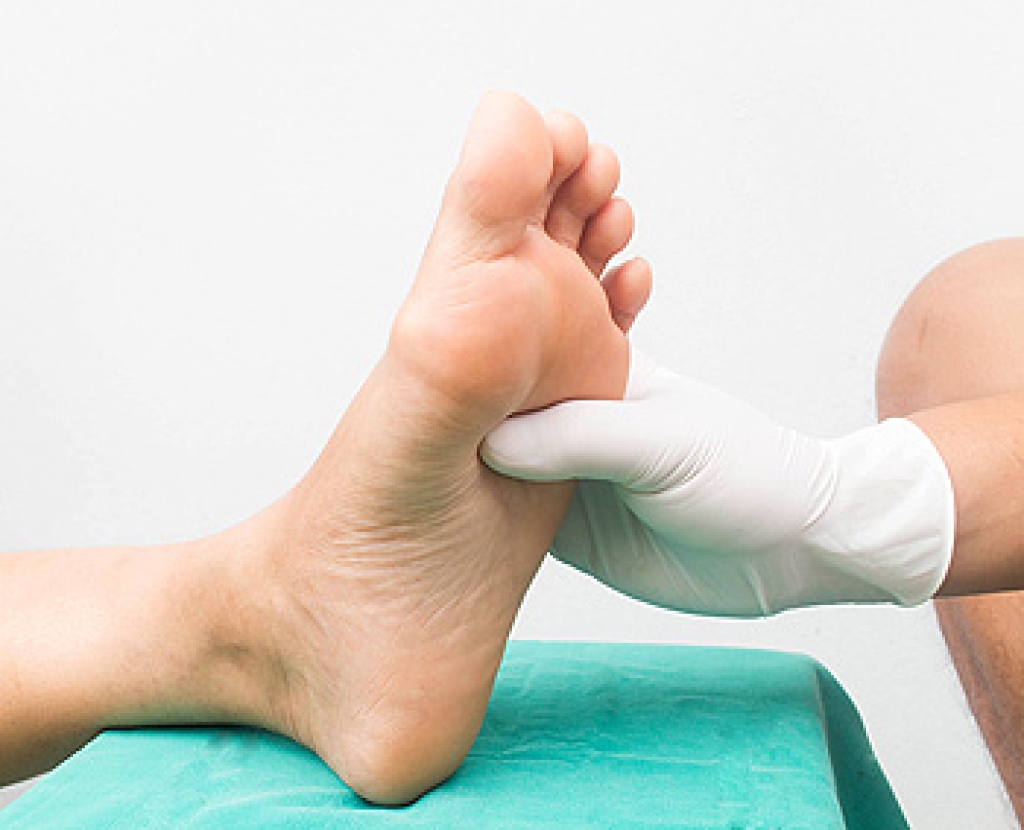
Wearing Flip Flops Frequently May Cause Foot Conditions

Research has indicated that flip flops are not the best shoes to wear. They can be difficult to keep on the feet, and the toes may strain in an effort to keep them on. Additionally, they have limited arch support, and cracked heels may develop as a result of the open back that flip flops have. A common foot condition that could gradually develop from frequently wearing this type of shoe may include plantar fasciitis. This affects the tendon that runs along the bottom of the foot which connects the toes to the heel. It may become inflamed as a result of wearing this shoe, which generally lacks adequate support and cushioning. If you wear flip flops for the majority of your day, it may be beneficial to alternate with shoes that have a closed back. Please consult with a podiatrist if you would like additional information about how flip flops may affect the feet. 

Flip-flops can cause a lot of problems for your feet. If you have any concerns about your feet or ankles, contact one of the podiatrists from JE Foot & Ankle Associates. Our doctors will assist you with all of your foot and ankle needs.

Flip-Flops and Feet

Flip-flops have managed to become a summer essential for a lot of people. While the shoes may be stylish and easy to slip on and off, they can be dangerous to those who wear them too often. These shoes might protect you from fungal infections such as athlete’s foot, but they can also give you foot pain and sprained ankles if you trip while wearing them.

When Are They Okay to Wear?

Flip-flops should only be worn for very short periods of time. They can help protect your feet in places that are crawling with fungi, such as gym locker rooms. Athlete’s foot and plantar warts are two common fungi that flip-flops may help protect your feet against.

Why Are They Bad for My Feet?

These shoes do not offer any arch support, so they are not ideal for everyday use. They also do not provide shock absorption or heel cushioning which can be problematic for your feet. Additionally, you may suffer from glass cuts, puncture wounds, and stubbed toes since they offer little protection for your feet.

More Reasons Why They Are Bad for Your Feet

  • They Slow You Down
  • May Cause Blisters and Calluses
  • Expose Your Feet to Bacteria

If you have any questions, please feel free to contact one of our offices located in Fleming Island and Palm Coast, FL . We offer the newest diagnostic and treatment technologies for all your foot care needs.
Read more about Flipping Out About Flip Flops

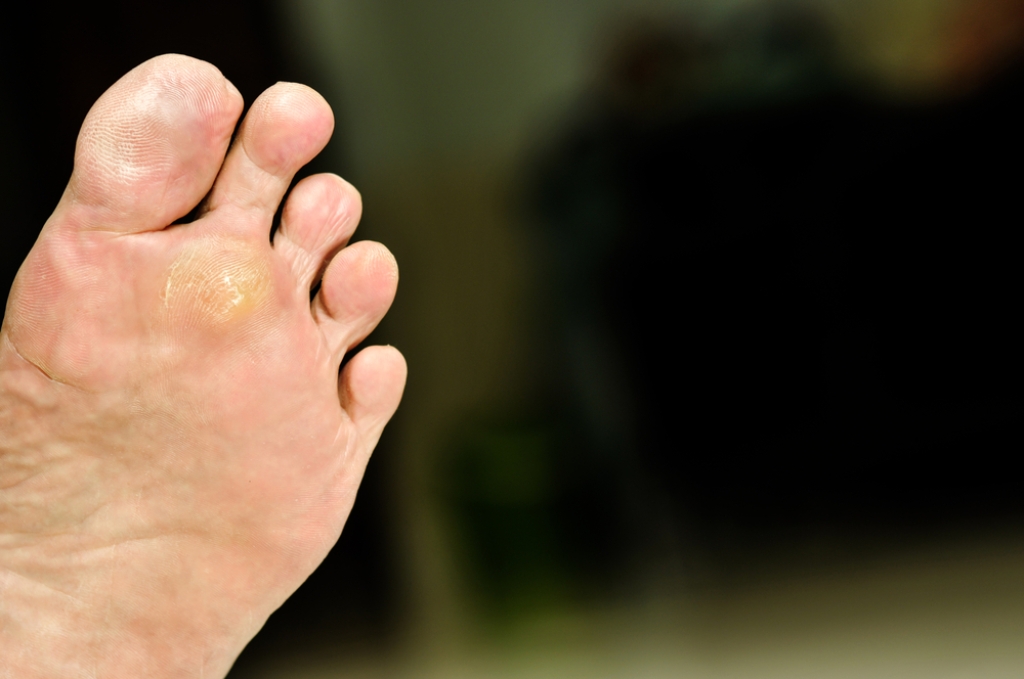
Where Does a Plantar Wart Develop?

A plantar wart develops on the bottom of the foot, and is generally in the heel area. It grows into the heel as a result of pressure that is put on the foot as everyday activities are completed. The medical term for this type of wart is known as a verrucae wart, and it is caused by the human papillomavirus (HPV). This type of virus attacks the bottom of the feet, and can cause severe pain and discomfort. A common symptom of a plantar wart can include pain and tenderness while walking, and it may be more noticeable in the morning upon arising. There are a variety of ways to treat this type of wart. These can range from laser therapy, applying salicylic acid cream to the affected area, or possibly using essential oils. If you are afflicted with a plantar wart, it is strongly advised that you seek the counsel of a podiatrist who can guide you toward the proper treatment.

Plantar warts can be very uncomfortable. If you need your feet checked, contact one of the podiatrists from JE Foot & Ankle Associates. Our doctors will assist you with all of your foot and ankle needs.

About Plantar Warts

Plantar warts are the result of HPV, or human papillomavirus, getting into open wounds on the feet. They are mostly found on the heels or balls of the feet.

While plantar warts are generally harmless, those experiencing excessive pain or those suffering from diabetes or a compromised immune system require immediate medical care. Plantar warts are easily diagnosed, usually through scraping off a bit of rough skin or by getting a biopsy.

Symptoms

  • Lesions on the bottom of your feet, usually rough and grainy
  • Hard or thick callused spots
  • Wart seeds, which are small clotted blood vessels that look like little black spots
  • Pain, discomfort, or tenderness of your feet when walking or standing

Treatment

  • Freezing
  • Electric tool removal
  • Laser Treatment
  • Topical Creams (prescription only)
  • Over-the-counter medications

To help prevent developing plantar warts, avoid walking barefoot over abrasive surfaces that can cause cuts or wounds for HPV to get into. Avoiding direct contact with other warts, as well as not picking or rubbing existing warts, can help prevent the further spread of plantar warts. However, if you think you have developed plantar warts, speak to your podiatrist. He or she can diagnose the warts on your feet and recommend the appropriate treatment options.

If you have any questions, please feel free to contact one of our offices located in Fleming Island and Palm Coast, FL . We offer the newest diagnostic and treatment technologies for all your foot care needs.

Read more about Plantar Warts

Ankle Sprains Are a Common Reason for Ankle Pain

Many types of ankle pain can be caused by an injury, or from various medical conditions that can include arthritis. Research has indicated that ankle sprains are the most common causes of ankle pain. When your foot rolls to one side, the ligaments may become torn or stretched beyond their normal limits. This is known as a lateral sprain, and may take up to two weeks to properly heal. Patients have found that elevating the affected foot may reduce a portion of any existing swelling. Additionally, it is beneficial to wrap the ankle in an elastic bandage, which may provide the necessary support as the healing process takes place. After it is healed, practicing specific stretches can help to strengthen the overall foot. If you have ankle pain for any reason, it is advised that you consult with a podiatrist who can properly diagnosis and treat this type of pain.

Ankle pain can be caused by a number of problems and may be potentially serious. If you have ankle pain, consult with one of the podiatrists from JE Foot & Ankle Associates. Our doctors will assess your condition and provide you with quality foot and ankle treatment.

Ankle pain is any condition that causes pain in the ankle. Due to the fact that the ankle consists of tendons, muscles, bones, and ligaments, ankle pain can come from a number of different conditions.

Causes

The most common causes of ankle pain include:

  • Types of arthritis (rheumatoid, osteoarthritis, and gout)
  • Ankle sprains
  • Broken ankles
  • Achilles tendonitis
  • Achilles tendon rupture
  • Stress fractures
  • Bursitis
  • Tarsal tunnel syndrome
  • Plantar fasciitis

Symptoms

Symptoms of ankle injury vary based upon the condition. Pain may include general pain and discomfort, swelling, aching, redness, bruising, burning or stabbing sensations, and/or loss of sensation.

Diagnosis

Due to the wide variety of potential causes of ankle pain, podiatrists will utilize a number of different methods to properly diagnose ankle pain. This can include asking for personal and family medical histories and of any recent injuries. Further diagnosis may include sensation tests, a physical examination, and potentially x-rays or other imaging tests.

Treatment

Just as the range of causes varies widely, so do treatments. Some more common treatments are rest, ice packs, keeping pressure off the foot, orthotics and braces, medication for inflammation and pain, and surgery.

If you have any questions please feel free to contact one of our offices located in Fleming Island and Palm Coast, FL . We offer the newest diagnostic tools and technology to treat your foot and ankle needs.

Read more about Ankle Pain

Children and Foot Maintenance

It is helpful for children to learn the importance of taking care of their feet at an early age. This generally includes washing and drying the feet thoroughly, especially between the toes. This may help to prevent athlete’s foot from developing as the child ages. While indoors, it is beneficial to air the shoes and feet out by walking barefoot, which in turn, may also help to strengthen the toes. Toenails need to be trimmed frequently, and this is done properly by cutting the nail straight across the toe. It is helpful to wear shoes that fit correctly and have adequate room for the toes to move freely in. If you would like to learn more about how to take care of children’s feet, it is strongly advised that you seek the counsel of a podiatrist.

Making sure that your children maintain good foot health is very important as they grow. If you have any questions, contact one of the podiatrists of JE Foot & Ankle Associates. Our doctors can provide the care you need to keep you pain-free and on your feet.

Keeping Children's Feet Healthy

Having healthy feet during childhood can help prevent medical problems later in life, namely in the back and legs. As children grow, their feet require different types of care. Here are some things to consider...

Although babies do not walk yet, it is still very important to take care of their feet.

Avoid putting tight shoes or socks on his or her feet.

Allow the baby to stretch and kick his or her feet to feel comfortable.

As a toddler, kids are now on the move and begin to develop differently. At this age, toddlers are getting a feel for walking, so don’t be alarmed if your toddler is unsteady or ‘walks funny’. 

As your child gets older, it is important to teach them how to take care of their feet.

Show them proper hygiene to prevent infections such as fungus.

Be watchful for any pain or injury.

Have all injuries checked by a doctor as soon as possible.

Comfortable, protective shoes should always be worn, especially at play.

If you have any questions, please feel free to contact one of our offices located in Fleming Island and Palm Coast, FL . We offer the newest diagnostic and treatment technologies for all your foot care needs.

Read more about What to Do to Keep Your Child’s Feet Healthy

It's Time for Beautiful Feet

You don't need an excuse to have beautiful nails. Step outside without worrying about the appearance of your feet.

scroll to top