
Painful deformities, such as hammertoes, can be treated. Stop living with foot pain, and have beautiful feet again!
Painful deformities, such as hammertoes, can be treated. Stop living with foot pain, and have beautiful feet again!

The bottoms and sides of walking shoes often show clear signs of how the feet move and bear weight. Uneven wear along the outer edge may suggest that weight rolls outward during each step, while heavy wear on the inner sole can point to inward rolling. Excessive breakdown at the heel may indicate hard heel striking, which can increase stress on the lower legs. Wear concentrated under the ball of the foot may reflect increased forefoot pressure or toe driven push off. The upper part of the shoe can also offer clues. Stretching, creasing, or breakdown in certain areas may signal toe crowding or joint stiffness. Over time, these patterns can contribute to discomfort in the feet, ankles, knees, or back. When shoes wear unevenly or pain develops during walking, it is suggested that you see a podiatrist who can treat various foot conditions, in addition to evaluating your gait and foot mechanics.
Foot Pain
Foot pain can be extremely painful and debilitating. If you have a foot pain, consult with one of the podiatrists from JE Foot & Ankle Associates. Our doctors will assess your condition and provide you with quality foot and ankle treatment.
Causes
Foot pain is a very broad condition that could be caused by one or more ailments. The most common include:
Diagnosis
To figure out the cause of foot pain, podiatrists utilize several different methods. This can range from simple visual inspections and sensation tests to X-rays and MRI scans. Prior medical history, family medical history, and any recent physical traumatic events will all be taken into consideration for a proper diagnosis.
Treatment
Treatment depends upon the cause of the foot pain. Whether it is resting, staying off the foot, or having surgery; podiatrists have a number of treatment options available for foot pain.
If you have any questions, please feel free to contact our office located in Fleming Island, FL . We offer the newest diagnostic and treatment technologies for all your foot care needs.

Plantar fasciitis, one of the most common causes of heel pain, occurs when the plantar fascia ligament along the bottom of the foot becomes irritated or inflamed. The heel may look normal or slightly swollen, but the pain is often most noticeable with the first steps in the morning or after periods of rest. It commonly feels sharp, stabbing, or aching at the heel, then may turn into a dull soreness as activity continues. Causes include overuse, tight calf muscles, flat feet or high arches, and unsupportive footwear. A podiatrist can help from the start by performing a thorough examination, reviewing activity history, and confirming the diagnosis with imaging when needed. Treatment often begins with pain and inflammation management, stretching guidance, footwear changes, or orthotics. Care may then progress into targeted exercises or night splints to promote healing and prevent recurrence. If you have ongoing heel pain, it is suggested that you make an appointment with a podiatrist.
Plantar fasciitis is a common foot condition that is often caused by a strain injury. If you are experiencing heel pain or symptoms of plantar fasciitis, contact one of the podiatrists from JE Foot & Ankle Associates. Our doctors can provide the care you need to keep you pain-free and on your feet.
What Is Plantar Fasciitis?
Plantar fasciitis is one of the most common causes of heel pain. The plantar fascia is a ligament that connects your heel to the front of your foot. When this ligament becomes inflamed, plantar fasciitis is the result. If you have plantar fasciitis you will have a stabbing pain that usually occurs with your first steps in the morning. As the day progresses and you walk around more, this pain will start to disappear, but it will return after long periods of standing or sitting.
What Causes Plantar Fasciitis?
There are some risk factors that may make you more likely to develop plantar fasciitis compared to others. The condition most commonly affects adults between the ages of 40 and 60. It also tends to affect people who are obese because the extra pounds result in extra stress being placed on the plantar fascia.
Prevention
There are a variety of treatment options available for plantar fasciitis along with the pain that accompanies it. Additionally, physical therapy is a very important component in the treatment process. It is important that you meet with your podiatrist to determine which treatment option is best for you.
If you have any questions, please feel free to contact our office located in Fleming Island, FL . We offer the newest diagnostic and treatment technologies for all your foot care needs.
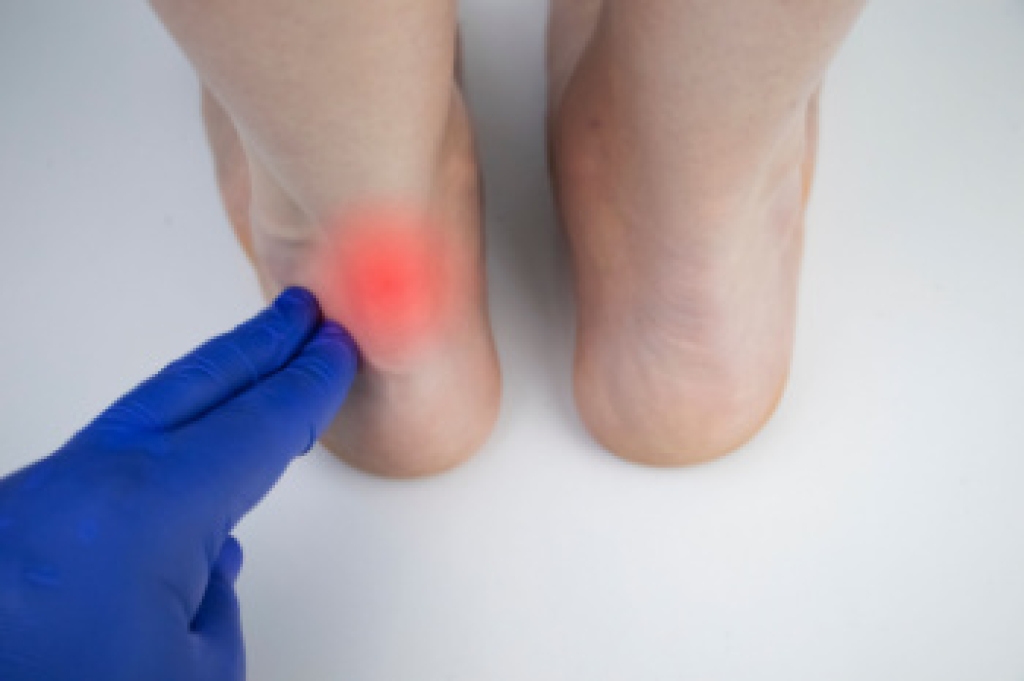
The Achilles tendon is the strong band of tissue that connects the calf muscles to the heel bone and plays a vital role in walking, running and jumping. Achilles tendinitis occurs when this tendon becomes irritated or inflamed often due to overuse, sudden increases in activity, tight calf muscles, or repetitive stress from running and jumping sports. Symptoms may include pain, stiffness, swelling, and tenderness near the back of the heel especially during movement. Without proper care the condition can worsen and interfere with daily activities. A podiatrist can help by accurately diagnosing the condition and creating a personalized treatment plan that may include activity modification, stretching therapy, footwear guidance, and supportive devices to reduce strain on the tendon. If you have heel or ankle pain, it is suggested that you consult a podiatrist who can offer effective relief and treatment solutions for what may be going on.
Achilles tendon injuries need immediate attention to avoid future complications. If you have any concerns, contact one of the podiatrists of JE Foot & Ankle Associates. Our doctors can provide the care you need to keep you pain-free and on your feet.
What Is the Achilles Tendon?
The Achilles tendon is a tendon that connects the lower leg muscles and calf to the heel of the foot. It is the strongest tendon in the human body and is essential for making movement possible. Because this tendon is such an integral part of the body, any injuries to it can create immense difficulties and should immediately be presented to a doctor.
What Are the Symptoms of an Achilles Tendon Injury?
There are various types of injuries that can affect the Achilles tendon. The two most common injuries are Achilles tendinitis and ruptures of the tendon.
Achilles Tendinitis Symptoms
Rupture Symptoms
Treatment and Prevention
Achilles tendon injuries are diagnosed by a thorough physical evaluation, which can include an MRI. Treatment involves rest, physical therapy, and in some cases, surgery. However, various preventative measures can be taken to avoid these injuries, such as:
If you have any questions please feel free to contact our office located in Fleming Island, FL . We offer the newest diagnostic tools and technology to treat your foot and ankle needs.
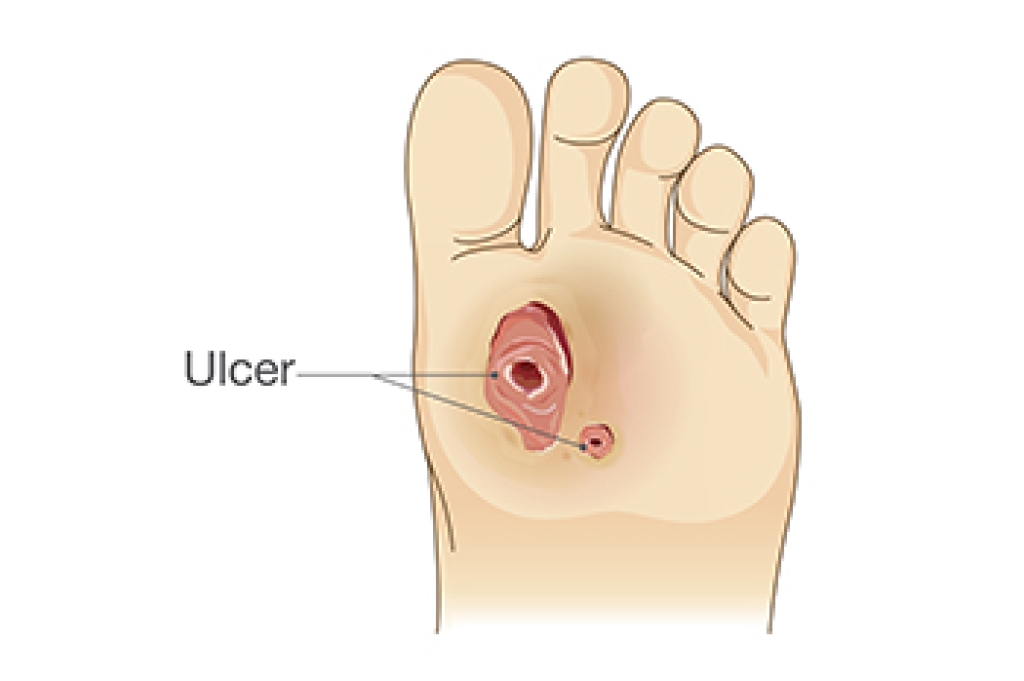
Managing a diabetic foot ulcer requires a thoughtful blend of treatments that support healing while protecting the surrounding skin. Care often begins by removing unhealthy tissue to create a healthier base for recovery. Moisture balancing dressings may be chosen to keep the wound environment stable, while topical or oral medications help reduce the risk of infection. Some ulcers benefit from advanced options such as biologic materials that encourage tissue growth or specialized padding and footwear to take pressure off the injured area. Vascular health and glucose control also influence how well the ulcer responds to care. Because every wound is different, a tailored plan helps promote steady progress and lowers the chance of complications. If your ulcer is not improving or feels differently than expected, it is suggested that you see a podiatrist.
Diabetic foot care is important in preventing foot ailments such as ulcers. If you are suffering from diabetes or have any other concerns about your feet, contact one of the podiatrists from JE Foot & Ankle Associates. Our doctors can provide the care you need to keep you pain-free and on your feet.
Diabetic Foot Care
Diabetes affects millions of people every year. The condition can damage blood vessels in many parts of the body, especially the feet. Because of this, taking care of your feet is essential if you have diabetes, and having a podiatrist help monitor your foot health is highly recommended.
The Importance of Caring for Your Feet
Patients with diabetes should have their doctor monitor their blood levels, as blood sugar levels play such a huge role in diabetic care. Monitoring these levels on a regular basis is highly advised.
It is always best to inform your healthcare professional of any concerns you may have regarding your feet, especially for diabetic patients. Early treatment and routine foot examinations are keys to maintaining proper health, especially because severe complications can arise if proper treatment is not applied.
If you have any questions, please feel free to contact our office located in Fleming Island, FL . We offer the newest diagnostic and treatment technologies for all your foot care needs.
