
Gout is a painful, inflammatory form of arthritis. Those affected will typically feel an intense stiffness in the joints of their feet, particularly in the big toe. Schedule a visit to learn about how gout can be managed and treated.
Gout is a painful, inflammatory form of arthritis. Those affected will typically feel an intense stiffness in the joints of their feet, particularly in the big toe. Schedule a visit to learn about how gout can be managed and treated.

A broken ankle can affect one or more bones in a child’s ankle. It can happen after a fall, a sports collision, or an awkward landing. Symptoms include sudden pain, swelling, and bruising. A child may struggle to stand or put weight on the foot. Because children’s bones are still developing, a fracture can involve a growth plate. This softer area near a bone’s end helps it grow. Growth-plate injuries need prompt attention because they can affect how the bone develops.
It is not always easy to tell a broken ankle from a sprain. Both injuries can cause pain, swelling, and difficulty walking. A podiatrist will ask how the injury happened and examine the ankle for tenderness or changes in shape. X-rays can show the location of a break and whether the bones have shifted. Other imaging tests can provide more detail when a fracture is difficult to see. Treatment depends on the child’s age, the type of break, and the position of the bones. A cast or walking boot can keep the ankle still while it heals. The podiatrist may also limit weight-bearing and monitor the bone with follow-up X-rays.
Some fractures must be gently moved back into alignment before the ankle is placed in a cast. Surgery may be needed when bones are badly displaced, the ankle is unstable, or the skin has been damaged. The podiatrist can explain the safest treatment and check healing at follow-up visits. These visits are especially important when a growth plate is involved. After the bone heals, the podiatrist can guide a gradual return to walking, school activities, and sports. Returning too soon can raise the risk of another injury. Protective bracing may be recommended when the child becomes active again. If your child has broken their ankle, it is suggested that you make an immediate appointment with a podiatrist for effective treatment solutions.
Broken ankles need immediate treatment. If you are seeking treatment, contact one of the podiatrists from JE Foot & Ankle Associates. Our doctors can provide the care you need to keep you pain-free and on your feet.
Broken Ankles
A broken ankle is experienced when a person fractures their tibia or fibula in the lower leg and ankle area. Both of these bones are attached at the bottom of the leg and combine to form what we know to be our ankle.
When a physician is referring to a break of the ankle, he or she is usually referring to a break in the area where the tibia and fibula are joined to create our ankle joint. Ankles are more prone to fractures because the ankle is an area that suffers a lot of pressure and stress. There are some obvious signs when a person experiences a fractured ankle, and the following symptoms may be present.
Symptoms of a Fractured Ankle
If you suspect an ankle fracture, it is recommended to seek treatment as soon as possible. The sooner you have your podiatrist diagnose the fracture, the quicker you’ll be on the way towards recovery.
If you have any questions, please feel free to contact our office located in Fleming Island, FL . We offer the newest diagnostic and treatment technologies for all your foot care needs.

Heel pain can make simple activities such as walking or standing uncomfortable. Several conditions can cause pain beneath or around the heel. Plantar fasciitis occurs when the plantar fascia becomes irritated, and this strong band of tissue supports the foot arch. A heel spur is a bony growth that can develop near the heel bone. Calcaneal apophysitis, also called Sever’s disease, affects growing children when the heel growth plate becomes irritated. Each condition has different causes.
Plantar fasciitis often causes sharp pain beneath the heel, especially with the first steps after waking. Long periods of standing can increase discomfort. Risk factors include increased activity, tight calf muscles, and wearing unsupportive footwear. A heel spur may cause localized tenderness or aching, although some heel spurs cause no symptoms. Repetitive stress can contribute to spur development. Calcaneal apophysitis commonly causes heel pain in active children, as running and jumping can make symptoms worse. Growth spurts can increase irritation around the heel.
A podiatrist can determine which condition is causing heel pain. The examination may include checking the heel, arch, and walking pattern. Imaging may be recommended when a heel spur, fracture, or other problem needs evaluation. Treatment depends on the diagnosis, and may include wearing supportive shoes, custom orthotics, or medication guidance. Children with calcaneal apophysitis may need temporary limits on activities that increase heel pain. Follow-up visits can help monitor improvement and adjust treatment.
Heel pain should not automatically be blamed on plantar fasciitis. Accurate diagnosis matters because treatment varies between conditions. Wearing supportive footwear and avoiding sudden increases in activity may help reduce strain. Children should have properly-fitted shoes during sports and everyday activities. Persistent pain, swelling, or difficulty walking deserves attention. Early treatment can improve comfort and help prevent symptoms from interfering with daily life. If you have heel pain, it is suggested that you consult a podiatrist for an accurate diagnosis and appropriate treatment.
Many people suffer from bouts of heel pain. For more information, contact one of the podiatrists of JE Foot & Ankle Associates. Our doctors can provide the care you need to keep you pain-free and on your feet.
Causes of Heel Pain
Heel pain is often associated with plantar fasciitis. The plantar fascia is a band of tissues that extends along the bottom of the foot. A rip or tear in this ligament can cause inflammation of the tissue.
Achilles tendonitis is another cause of heel pain. Inflammation of the Achilles tendon will cause pain from fractures and muscle tearing. Lack of flexibility is also another symptom.
Heel spurs are another cause of pain. When the tissues of the plantar fascia undergo a great deal of stress, it can lead to ligament separation from the heel bone, causing heel spurs.
Why Might Heel Pain Occur?
Treatments
Heel pain should be treated as soon as possible for immediate results. Keeping your feet in a stress-free environment will help. If you suffer from Achilles tendonitis or plantar fasciitis, applying ice will reduce the swelling. Stretching before an exercise like running will help the muscles. Using all these tips will help make heel pain a condition of the past.
If you have any questions, please feel free to contact our office located in Fleming Island, FL . We offer the newest diagnostic and treatment technologies for all your foot care needs.
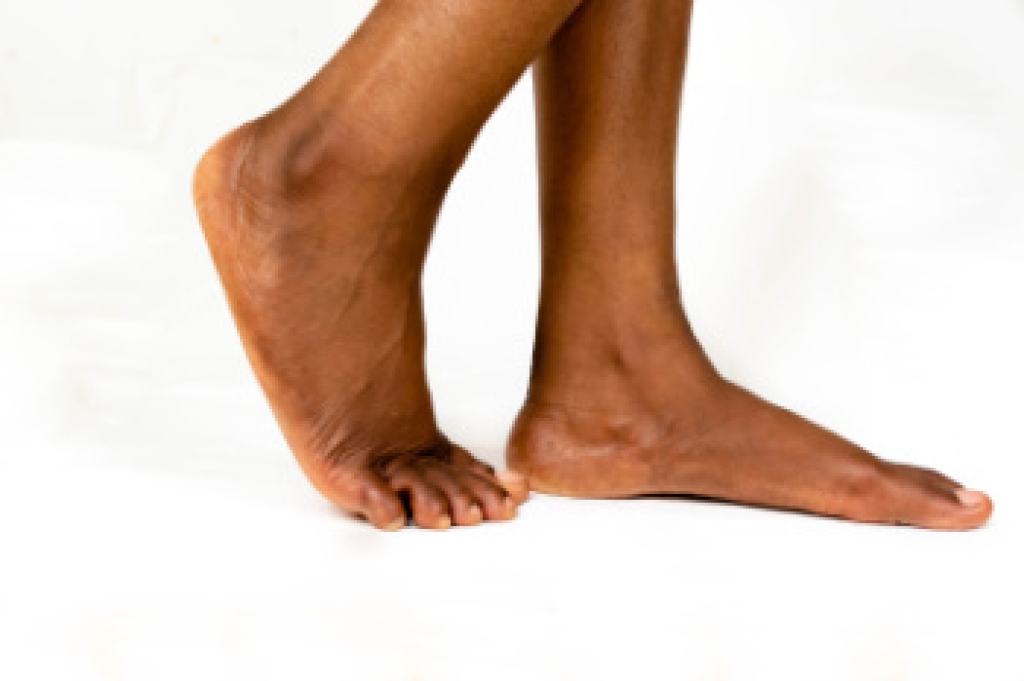
Flat feet occur when the arches are low or touch the ground while standing. Some people have flat arches from childhood and never develop symptoms. Others develop flatter feet because the tissues that support the arch weaken. The posterior tibial tendon runs along the inside of the ankle and helps hold up the arch. Arthritis, loose ligaments, or repeated strain can also change the foot's shape. Flat feet can affect one foot or both feet, and the degree of flattening varies between patients.
Symptoms include aching in the arch, heel, or inside of the ankle. Swelling can develop near the inner ankle when the posterior tibial tendon is irritated. Some patients notice tired feet, reduced balance, or difficulty standing for long periods of time. These changes can place added pressure on joints and soft tissues. Pain can worsen when walking, running, or climbing stairs. Shoes that lack proper support can increase discomfort. A sudden change in arch shape, weakness, or trouble rising onto the toes can indicate a need for medical attention.
A podiatrist can determine whether flat feet are flexible or stiff and identify the source of pain. The evaluation includes checking foot alignment, joint movement, and tendon strength. Weight-bearing X-rays can reveal changes in bone position or arthritis. Other imaging tests can provide a closer view of damaged tendons or ligaments. Treatment is based on the patient's symptoms and the extent of the changes. A podiatrist can recommend fitted shoes, custom orthotics, or a brace. A walking boot may protect an irritated tendon in painful cases. Early evaluation can help reduce strain and protect the foot from further changes. If you have foot pain related to flat feet, it is suggested that you schedule an appointment with a podiatrist for effective relief and management solutions.
Flatfoot is a condition many people suffer from. If you have flat feet, contact one of the podiatrists from JE Foot & Ankle Associates. Our doctors will treat your foot and ankle needs.
What Are Flat Feet?
Flatfoot is a condition in which the arch of the foot is depressed and the sole of the foot is almost completely in contact with the ground. About 20-30% of the population generally has flat feet because their arches never formed during growth.
Conditions & Problems:
Having flat feet makes it difficult to run or walk because of the stress placed on the ankles.
Alignment – The general alignment of your legs can be disrupted, because the ankles move inward which can cause major discomfort.
Knees – If you have complications with your knees, flat feet can be a contributor to arthritis in that area.
Symptoms
Treatment
If you are experiencing pain and stress on the foot you may weaken the posterior tibial tendon, which runs around the inside of the ankle.
If you have any questions, please feel free to contact our office located in Fleming Island, FL . We offer the newest diagnostic and treatment technologies for all your foot care needs.
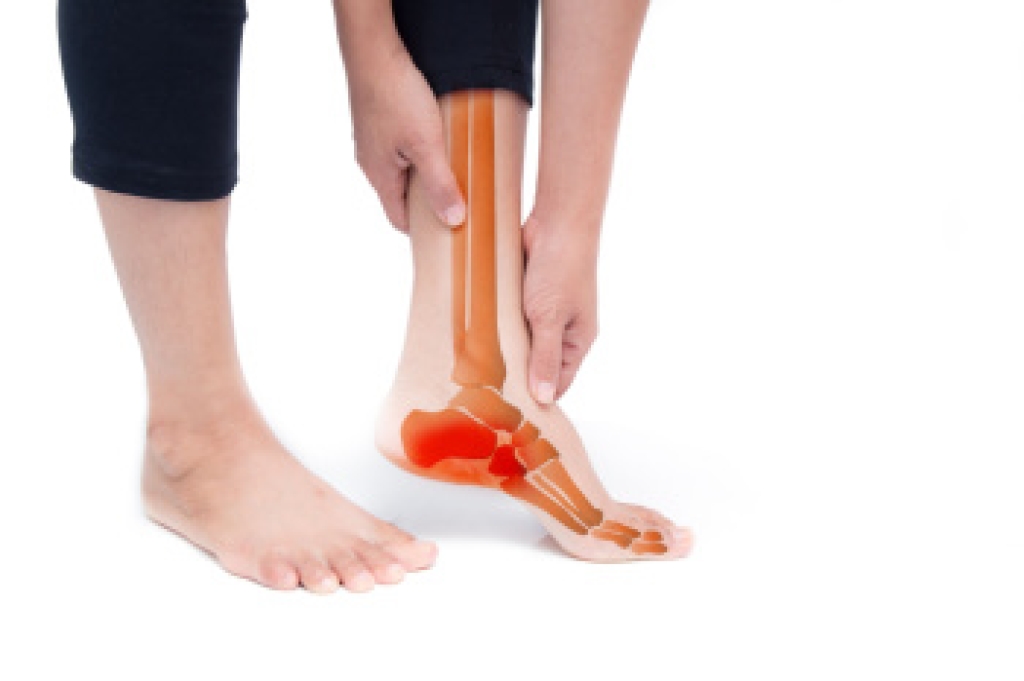
Neuropathy develops when nerves become damaged or stop working properly. When it affects the feet, symptoms can change how a person feels pressure, temperature, and pain. Neuropathic pain comes from damaged or irritated nerves rather than an outside injury. It can feel like burning, shooting, or stabbing pain. Some patients experience tingling or numbness instead. Even a light touch can feel painful in some cases. Symptoms can become constant or appear without an obvious trigger, making normal activities like standing and walking more difficult.
Several conditions can lead to neuropathy and nerve pain. Diabetes is a major cause because high blood sugar can damage nerves. Injuries can also harm nerves and create lasting symptoms. Certain infections can affect nerve function as well. In some patients, the exact cause of neuropathic pain is not clear. Loss of feeling in the feet deserves attention because patients might not notice cuts, pressure, or other injuries. A small foot problem can become more serious when reduced sensation prevents a patient from recognizing it. Nerve problems can also affect balance and increase difficulty with walking.
A podiatrist can evaluate the feet for signs of neuropathy and determine how nerve changes are affecting foot health. The examination can include checking sensation, skin condition, and muscle strength. A podiatrist can also assess balance and the way a patient walks. Treatment depends on the cause and severity of the nerve problem. Podiatric care can focus on protecting areas with reduced sensation and addressing painful foot conditions that can become harder to detect. Regular examinations can identify wounds or pressure areas before they develop into serious complications. Care can also help patients maintain safer, more comfortable movement. If you have symptoms of neuropathy, it is suggested that you schedule an appointment with a podiatrist for a diagnosis and appropriate treatment.
Neuropathy
Neuropathy can be a potentially serious condition, especially if it is left undiagnosed. If you have any concerns that you may be experiencing nerve loss in your feet, consult with one of the podiatrists from JE Foot & Ankle Associates. Our doctors will assess your condition and provide you with quality foot and ankle treatment for neuropathy.
What Is Neuropathy?
Neuropathy is a condition that leads to damage to the nerves in the body. Peripheral neuropathy, or neuropathy that affects your peripheral nervous system, usually occurs in the feet. Neuropathy can be triggered by a number of different causes. Such causes include diabetes, infections, cancers, disorders, and toxic substances.
Symptoms of Neuropathy Include:
Those with diabetes are at serious risk due to being unable to feel an ulcer on their feet. Diabetics usually also suffer from poor blood circulation. This can lead to the wound not healing, infections occurring, and the limb may have to be amputated.
Treatment
To treat neuropathy in the foot, podiatrists will first diagnose the cause of the neuropathy. Figuring out the underlying cause of the neuropathy will allow the podiatrist to prescribe the best treatment, whether it be caused by diabetes, toxic substance exposure, infection, etc. If the nerve has not died, then it’s possible that sensation may be able to return to the foot.
Pain medication may be issued for pain. Electrical nerve stimulation can be used to stimulate nerves. If the neuropathy is caused from pressure on the nerves, then surgery may be necessary.
If you have any questions, please feel free to contact our office located in Fleming Island, FL . We offer the newest diagnostic and treatment technologies for all your foot care needs.
