What Causes a Bunion to Form?

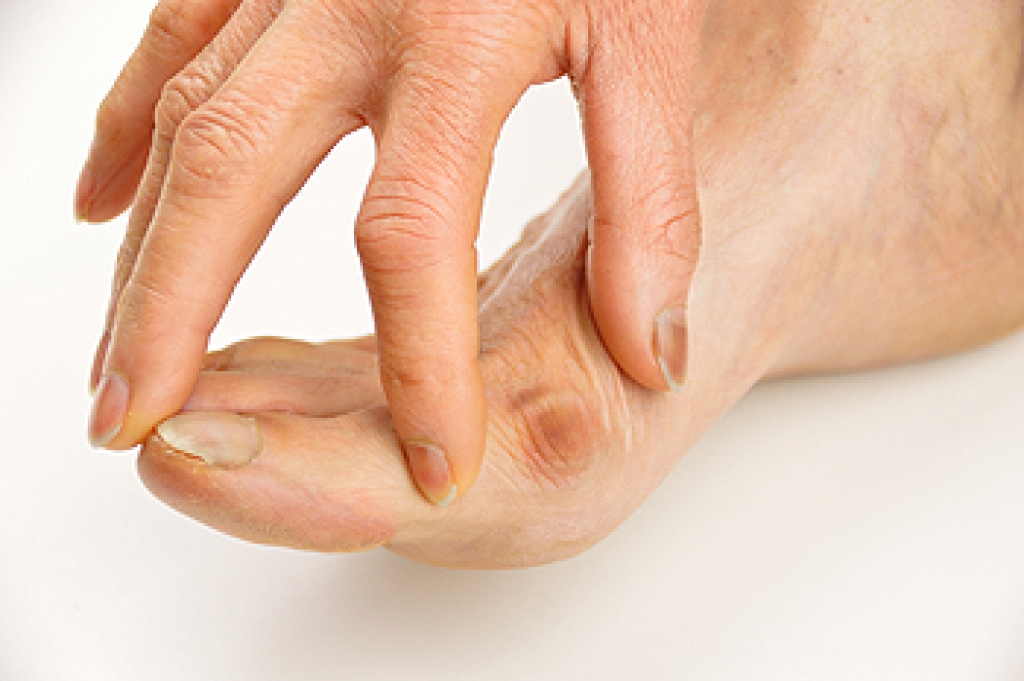
While the exact cause of a bunion is not always apparent, their bony disfigurement is hard to miss. Genetics are believed to sometimes play a role in the development of a bunion. Many consider gout and rheumatoid arthritis as a possible link to certain bunions that have formed, as well as abnormal foot structures such as flat feet, flexible joints, loose ligaments, and more. Tight, pointy high heels and other types of ill-fitting footwear may worsen a structural abnormality and increase the likelihood of a bunion forming. Standing for prolonged periods of time can also worsen bunion symptoms. Podiatrists deal with bunions every day and have various techniques for correcting them, depending upon how far along the deformity has progressed. Don’t delay in making an appointment with a podiatrist to have your feet examined if you have redness, swelling, soreness, an existing bony bump, or a bump that’s beginning to form at the joint of your big toe.

If you are suffering from bunion pain, contact one of the podiatrists of JE Foot & Ankle Associates. Our doctors can provide the care you need to keep you pain-free and on your feet.

What Is a Bunion?

Bunions are painful bony bumps that usually develop on the inside of the foot at the joint of the big toe. As the deformity increases over time, it may become painful to walk and wear shoes. Women are more likely to exacerbate existing bunions since they often wear tight, narrow shoes that shift their toes together. Bunion pain can be relieved by wearing wider shoes with enough room for the toes.

Causes

  • Genetics – some people inherit feet that are more prone to bunion development
  • Inflammatory Conditions - rheumatoid arthritis and polio may cause bunion development

Symptoms

  • Redness and inflammation
  • Pain and tenderness
  • Callus or corns on the bump
  • Restricted motion in the big toe

In order to diagnose your bunion, your podiatrist may ask about your medical history, symptoms, and general health. Your doctor might also order an x-ray to take a closer look at your feet. Nonsurgical treatment options include orthotics, padding, icing, changes in footwear, and medication. If nonsurgical treatments don’t alleviate your bunion pain, surgery may be necessary.

If you have any questions, please feel free to contact one of our offices located in Fleming Island and Palm Coast, FL . We offer the newest diagnostic and treatment technologies for all your foot care needs.
Read more about Bunions

Can Hammertoe be Corrected?

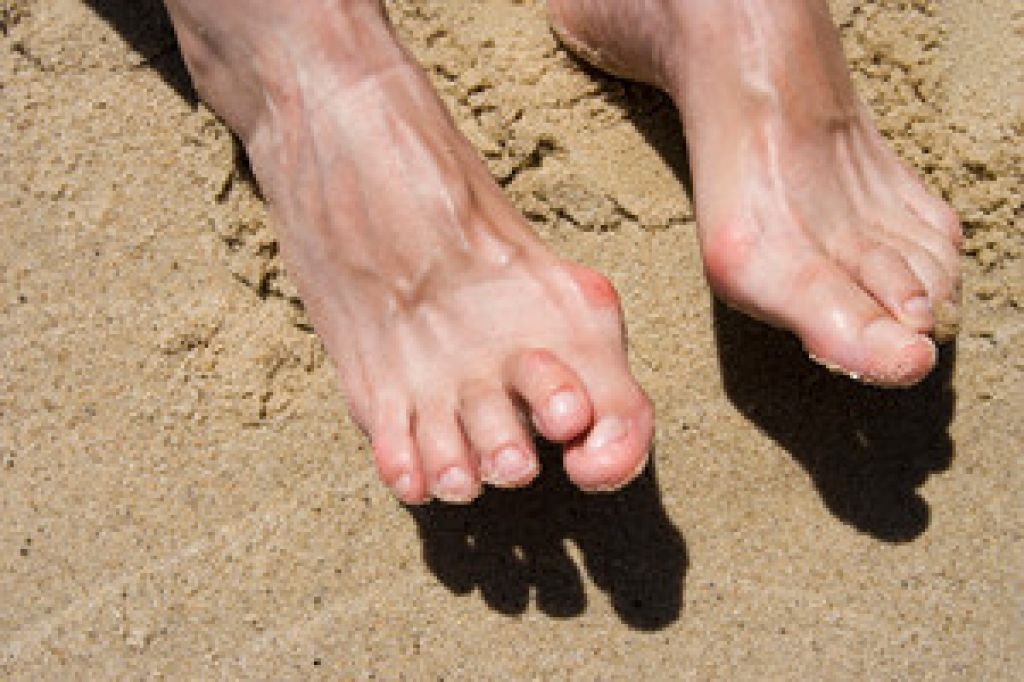
The most common symptom of hammertoe is when the toe(s) bends or curls downward instead of pointing forward. This deformity can occur as a result of having arthritis, wearing shoes that do not fit correctly, or from a toe injury. Patients can develop this condition from genetic factors or from having corns or bunions. Hammertoe can cause difficulty in walking, and it may cause pain when the toes are wiggled. A proper diagnosis is necessary in determining the severity of the condition. This is accomplished by performing a physical examination or by having an X-ray taken. Mild relief may be found when a protective covering is worn over the affected toe. Additionally, surgery may be necessary if the toe is unable to move. Surgery can be successful in restoring full range of motion, realigning the tendons and joints, and to remove the injured or deformed bone. If you have a hammertoe, it is suggested that you consult with a podiatrist who can offer proper treatment solutions.

Hammertoe

Hammertoes can be a painful condition to live with. For more information, contact one of the podiatrists from JE Foot & Ankle Associates. Our doctors will answer any of your foot- and ankle-related questions.

Hammertoe is a foot deformity that affects the joints of the second, third, fourth, or fifth toes of your feet. It is a painful foot condition in which these toes curl and arch up, which can often lead to pain when wearing footwear.

Symptoms

  • Pain in the affected toes
  • Development of corns or calluses due to friction
  • Inflammation
  • Redness
  • Contracture of the toes

Causes

Genetics – People who are genetically predisposed to hammertoe are often more susceptible

Arthritis – Because arthritis affects the joints in your toes, further deformities stemming from arthritis can occur

Trauma – Direct trauma to the toes could potentially lead to hammertoe

Ill-fitting shoes – Undue pressure on the front of the toes from ill-fitting shoes can potentially lead to the development of hammertoe

Treatment

Orthotics – Custom made inserts can be used to help relieve pressure placed on the toes and therefore relieve some of the pain associated with it

Medications – Oral medications such as anti-inflammatories or NSAIDs could be used to treat the pain and inflammation hammertoes causes. Injections of corticosteroids are also sometimes used

Surgery – In more severe cases where the hammertoes have become more rigid, foot surgery is a potential option

If you have any questions, please feel free to contact one of our offices located in Fleming Island and Palm Coast, FL . We offer the newest diagnostic and treatment technologies for all your foot care needs.
Read more about What Are Hammertoes?

Types of Athlete's Foot

The most common type of athlete’s foot is referred to as chronic interdigital. Symptoms that are associated with this condition often include itchiness between the toes and on the bottom of the foot. It can develop as a result of wearing shoes that are too small, and this can create a warm environment that is perfect for fungus to grow in. The least common type of athlete’s foot is known as vesicular, and this can produce blisters that are painful on the bottom or top of the foot. Athlete’s foot is contagious and may be prevented by wearing appropriate shoes in public showers. If you have developed this uncomfortable foot condition, it is strongly suggested that you consult with a podiatrist who can begin the correct treatment for you.

Athlete’s foot is an inconvenient condition that can be easily reduced with the proper treatment. If you have any concerns about your feet and ankles, contact one of the podiatrists from JE Foot & Ankle Associates.  Our doctors will treat your foot and ankle needs.

Athlete’s Foot: The Sole Story

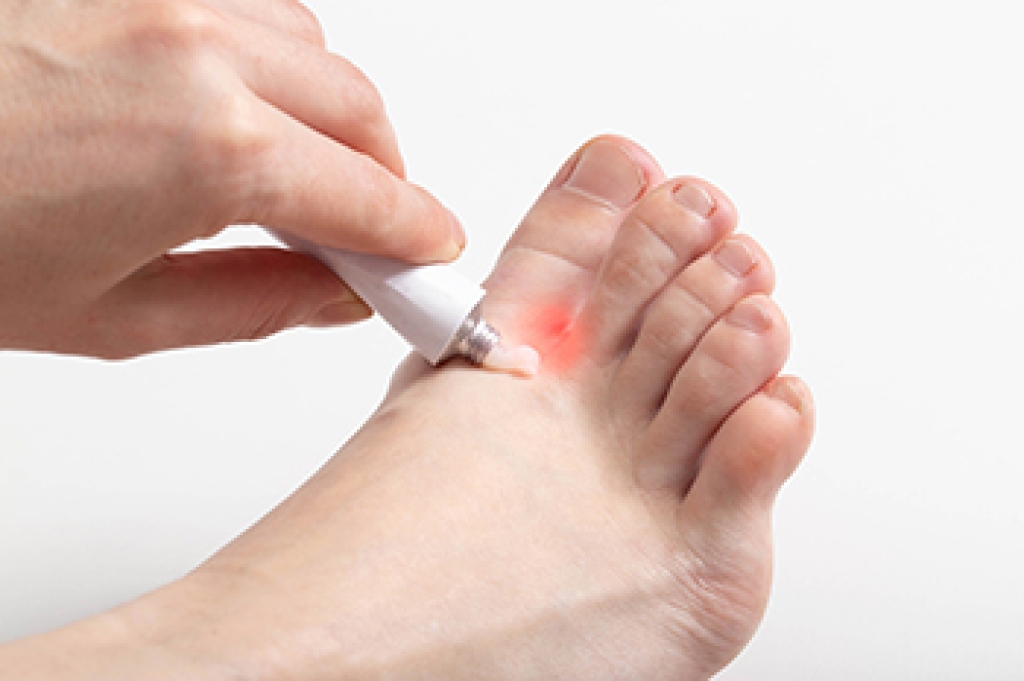
Athlete's foot, also known as tinea pedis, can be an extremely contagious foot infection. It is commonly contracted in public changing areas and bathrooms, dormitory style living quarters, around locker rooms and public swimming pools, or anywhere your feet often come into contact with other people.

Solutions to Combat Athlete’s Foot

  • Hydrate your feet by using lotion
  • Exfoliate
  • Buff off nails
  • Use of anti-fungal products
  • Examine your feet and visit your doctor if any suspicious blisters or cuts develop

Athlete’s foot can cause many irritating symptoms such as dry and flaking skin, itching, and redness. Some more severe symptoms can include bleeding and cracked skin, intense itching and burning, and even pain when walking. In the worst cases, Athlete’s foot can cause blistering as well. Speak to your podiatrist for a better understanding of the different causes of Athlete’s foot, as well as help in determining which treatment options are best for you.

If you have any questions please feel free to contact one of our offices located in Fleming Island and Palm Coast, FL . We offer the newest diagnostic and treatment technologies for all your foot and ankle needs.

Read more about Athlete's Foot

Your Feet are the Body’s Workhorse

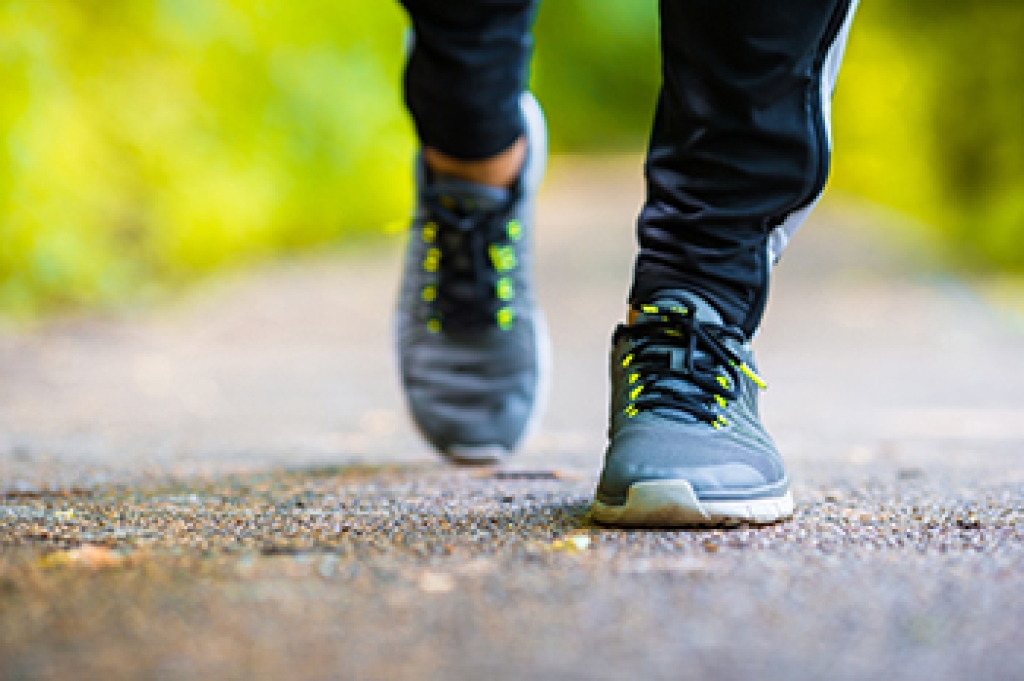
The main job of the many bones, muscles, ligaments and tendons of the foot is to get you where you want to go. When you take a step, and most of us do this without really thinking about it, the heel touches the ground and absorbs some of the force. The muscles in the sole of the foot then give way, and the band of tissue beneath (plantar fascia) stretches out. Next, your weight shifts to the ball of the foot, and finally the toes push off the surface. Your weight is now fully on the foot, and you start the process again with the other foot. You can do several things to keep your feet operating as they should: A) Wear shoes that fit properly, have plenty of room in the toe box, and have low heels; B) Maintain a healthy body weight; and C) go for walks regularly to keep the foot muscles strong and flexible. If you experience any problems walking, it’s a good idea to see a podiatrist for a thorough examination.

If you have any concerns about your feet, contact one of the podiatrists from JE Foot & Ankle Associates. Our doctors can provide the care you need to keep you pain-free and on your feet.

Biomechanics in Podiatry

Podiatric biomechanics is a particular sector of specialty podiatry with licensed practitioners who are trained to diagnose and treat conditions affecting the foot, ankle and lower leg. Biomechanics deals with the forces that act against the body, causing an interference with the biological structures. It focuses on the movement of the ankle, the foot and the forces that interact with them.

A History of Biomechanics

  • Biomechanics dates back to the BC era in Egypt where evidence of professional foot care has been recorded.
  • In 1974, biomechanics gained a higher profile from the studies of Merton Root, who claimed that by changing or controlling the forces between the ankle and the foot, corrections or conditions could be implemented to gain strength and coordination in the area.

Modern technological improvements are based on past theories and therapeutic processes that provide a better understanding of podiatric concepts for biomechanics. Computers can provide accurate information about the forces and patterns of the feet and lower legs.

Understanding biomechanics of the feet can help improve and eliminate pain, stopping further stress to the foot.

If you have any questions please feel free to contact one of our offices located in Fleming Island and Palm Coast, FL . We offer the newest diagnostic and treatment technologies for all your foot and ankle needs.

Read more about The Importance of Biomechanics in Podiatry

Reminder: When Was the Last Time...?

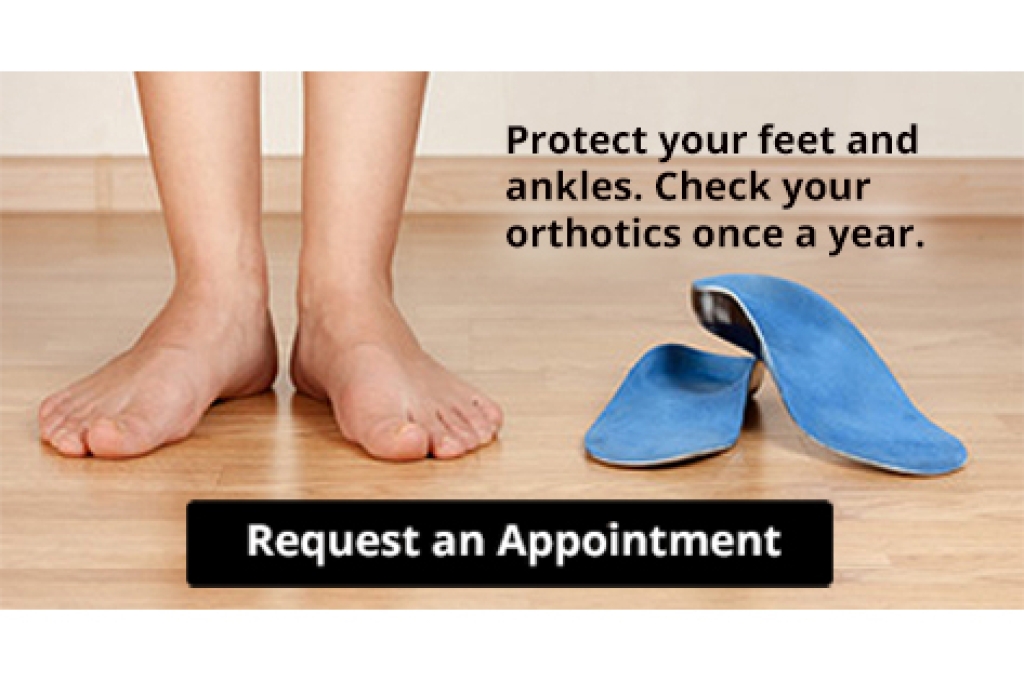
Custom orthotics, or shoe inserts, should be periodically replaced. Orthotics must fit properly to give you the best results. Protect your feet and ankles!

scroll to top