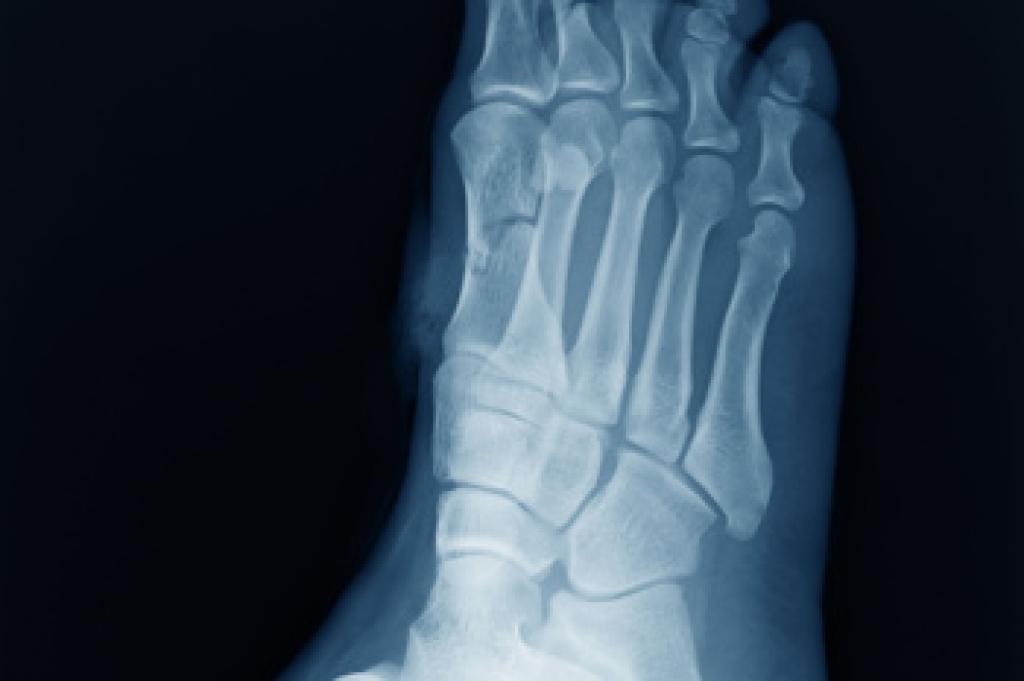
Understanding the Cause of Cuboid Syndrome

Cuboid syndrome affects one of the small bones on the outer side of the foot called the cuboid. This bone helps support normal foot movement and works with nearby joints while walking. Cuboid syndrome develops when the cuboid bone shifts slightly out of its normal position or the surrounding tissues become irritated. This problem can happen after an ankle sprain or repeated stress from sports and other physical activities. Wearing shoes that lack proper support also can increase stress on the foot. Pain usually develops along the outer side of the foot and becomes worse while walking or standing. Some patients notice weakness, tenderness, or difficulty pushing off the foot. The pain can resemble other foot conditions, making a professional evaluation important.

A podiatrist performs a detailed examination to determine whether cuboid syndrome is causing the pain. The evaluation includes checking the location of the discomfort, the movement of the foot, and the stability of the surrounding joints. The podiatrist also watches how the patient stands and walks because changes in movement can place extra stress on the cuboid bone. Imaging tests, like X-rays or MRI scans, help rule out fractures and other conditions that cause similar symptoms. Although these tests do not always confirm cuboid syndrome, they provide valuable information when making a diagnosis. Identifying the correct source of pain allows the podiatrist to recommend the most effective treatment.

Treatment focuses on restoring normal foot function and reducing stress on the injured area. A podiatrist can gently reposition the cuboid bone when it has shifted from its normal alignment. Care also includes custom orthotics that improve foot support and reduce pressure on the outer side of the foot. Stretching and strengthening exercises help improve stability and lower the chance of repeated problems. Patients with ongoing pain are evaluated for other foot conditions that could require additional treatment. If you have symptoms of cuboid syndrome, it is suggested that you schedule an appointment with a podiatrist for a diagnosis and appropriate treatment.

Cuboid syndrome, also known as cuboid subluxation, occurs when the joints and ligaments near the cuboid bone in the foot become torn. If you have cuboid syndrome, consult with one of the podiatrists from JE Foot & Ankle Associates. Our doctors will assess your condition and provide you with quality foot and ankle treatment.

Cuboid syndrome is a common cause of lateral foot pain, which is pain on the outside of the foot. The condition may happen suddenly due to an ankle sprain, or it may develop slowly overtime from repetitive tension through the bone and surrounding structures.

Causes

The most common causes of cuboid syndrome include:

  • Injury – The most common cause of this ailment is an ankle sprain.
  • Repetitive Strain – Tension placed through the peroneus longus muscle from repetitive activities such as jumping and running may cause excessive traction on the bone causing it to sublux.
  • Altered Foot Biomechanics – Most people suffering from cuboid subluxation have flat feet.

Symptoms

A common symptom of cuboid syndrome is pain along the outside of the foot which can be felt in the ankle and toes. This pain may create walking difficulties and may cause those with the condition to walk with a limp.

Diagnosis

Diagnosis of cuboid syndrome is often difficult, and it is often misdiagnosed. X-rays, MRIs and CT scans often fail to properly show the cuboid subluxation. Although there isn’t a specific test used to diagnose cuboid syndrome, your podiatrist will usually check if pain is felt while pressing firmly on the cuboid bone of your foot.

Treatment

Just as the range of causes varies widely, so do treatments. Some more common treatments are ice therapy, rest, exercise, taping, and orthotics.

If you have any questions, please feel free to contact one of our offices located in Fleming Island and Palm Coast, FL . We offer the newest diagnostic and treatment technologies for all your foot care needs.

Read more about All About Cuboid Syndrome

How High Heels Contribute to Common Foot Deformities and Pain

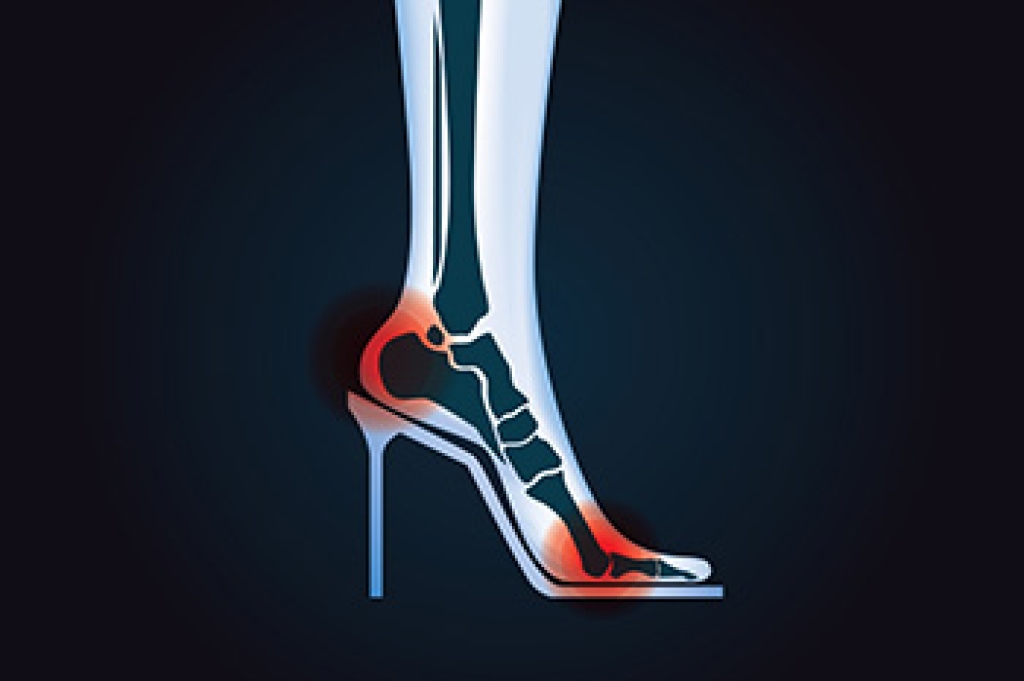
Foot problems from wearing high heels develop due to abnormal pressure distribution and altered foot mechanics. High heels shift body weight forward onto the forefoot, increasing stress on the toes and ball of the foot. This repeated pressure can lead to structural changes and painful conditions such as bunions, corns, hammertoe, and pump bump, known as Haglund’s deformity. These issues often worsen with prolonged wear and poorly fitted shoes. Bunions are bony prominences that form at the base of the big toe when the joint becomes misaligned. Symptoms include swelling, redness, and pain during walking. Corns are thickened areas of skin that develop from friction and pressure, often causing tenderness. Hammertoe occurs when the toe bends abnormally at the joint, leading to stiffness and discomfort. Pump bump, also known as a prominence at the back of the heel, results from repeated rubbing against the shoe and may cause irritation and swelling.

Common symptoms across these conditions include pain, bruising, and difficulty wearing shoes comfortably. Some individuals experience weakness in the foot or instability while walking. Risk factors include frequent high heel use, narrow toe boxes, and extended periods of standing or walking. Genetics and foot structure may also increase susceptibility to these deformities.


Preventive strategies focus on reducing pressure and supporting proper alignment. Choosing shoes with a wider toe box, lower heel height, and proper cushioning can help minimize strain. Alternating footwear and limiting high heel use allow the feet to recover. Stretching and strengthening exercises improve flexibility and stability. Early care can prevent progression and reduce discomfort. If you have foot pain caused by wearing high heels, it is suggested that you consult a podiatrist for an accurate diagnosis and appropriate treatment.

High heels have a history of causing foot and ankle problems. If you have any concerns about your feet or ankles, contact one of the podiatrists from JE Foot & Ankle Associates. Our doctors can provide the care you need to keep you pain-free and on your feet.

Effects of High Heels on the Feet

High heels are popular shoes among women because of their many styles and societal appeal.  Despite this, high heels can still cause many health problems if worn too frequently.

Which Parts of My Body Will Be Affected by High Heels?

  • Ankle Joints
  • Achilles Tendon – May shorten and stiffen with prolonged wear
  • Balls of the Feet
  • Knees – Heels cause the knees to bend constantly, creating stress on them
  • Back – They decrease the spine’s ability to absorb shock, which may lead to back pain.  The vertebrae of the lower back may compress.

What Kinds of Foot Problems Can Develop from Wearing High Heels?

  • Corns
  • Calluses
  • Hammertoe
  • Bunions
  • Morton’s Neuroma
  • Plantar Fasciitis

How Can I Still Wear High Heels and Maintain Foot Health?

If you want to wear high heeled shoes, make sure that you are not wearing them every day, as this will help prevent long term physical problems.  Try wearing thicker heels as opposed to stilettos to distribute weight more evenly across the feet.  Always make sure you are wearing the proper shoes for the right occasion, such as sneakers for exercising.  If you walk to work, try carrying your heels with you and changing into them once you arrive at work.  Adding inserts to your heels can help cushion your feet and absorb shock. Full foot inserts or metatarsal pads are available. 

If you have any questions, please feel free to contact one of our offices located in Fleming Island and Palm Coast, FL . We offer the newest diagnostic and treatment technologies for all your foot care needs.
Read more about Why High Heels Are Not Ideal for Healthy Feet

Foot Pain Caused by Corns

Corns on the feet are thick, hardened areas of skin that develop in response to repeated pressure or friction. They often form on the tops or sides of the toes, between the toes, or on weight-bearing areas of the feet. Corns are the body’s way of protecting the skin, but they can become painful when pressure continues. Common causes include tight shoes, toe deformities, abnormal foot mechanics, or areas where bones rub against footwear. Symptoms may include foot pain, tenderness, a raised patch of hard skin, or discomfort when walking.


Although corns may seem like a simple skin problem, they can interfere with daily activities and overall foot health. Painful corns can make it difficult to wear shoes comfortably, stand for long periods of time, or walk normally. Some corns are hard and dry, while others may develop between the toes, where the skin stays softer. People with diabetes, poor circulation, or nerve problems should be especially cautious because even small areas of pressure can lead to more serious complications. Since corns can look similar to other foot conditions, an accurate diagnosis is important before treatment begins.


A podiatrist is a foot and ankle specialist who can diagnose corns on the feet and identify what is causing the pressure. During an evaluation, a podiatrist may examine the skin, assess foot structure, and check how the foot moves during walking. Treatment may include professional corn removal, pressure relief, custom orthotics, footwear guidance, or care for related toe problems. Addressing the underlying cause can help reduce pain and lower the chance of recurring corns. Professional podiatry care is especially important when corns are painful, return often, or appear with redness, swelling, or drainage. If you have painful corns on your feet, recurring skin thickening, or difficulty walking due to pressure-related foot pain, it is suggested that you consult a podiatrist for effective relief and treatment options.

If you have any concerns regarding your feet and ankles, contact one of the podiatrists of JE Foot & Ankle Associates. Our doctors will treat your foot and ankle needs.

Corns: What Are They? and How Do You Get Rid of Them?
Corns can be described as areas of the skin that have thickened to the point of becoming painful or irritating. They are often layers and layers of the skin that have become dry and rough, and are normally smaller than calluses.

Ways to Prevent Corns
There are many ways to get rid of painful corns such as wearing:

  • Well-fitting socks
  • Comfortable shoes that are not tight around your foot
  • Shoes that offer support

Treating Corns
Treatment of corns involves removing the dead skin that has built up in the specific area of the foot. Consult with Our doctors to determine the best treatment option for your case of corns.

If you have any questions, please feel free to contact one of our offices located in Fleming Island and Palm Coast, FL . We offer the newest diagnostic and treatment technologies for all your foot care needs.

Read more about Corns and Calluses

Why Ingrown Toenails Become Painful

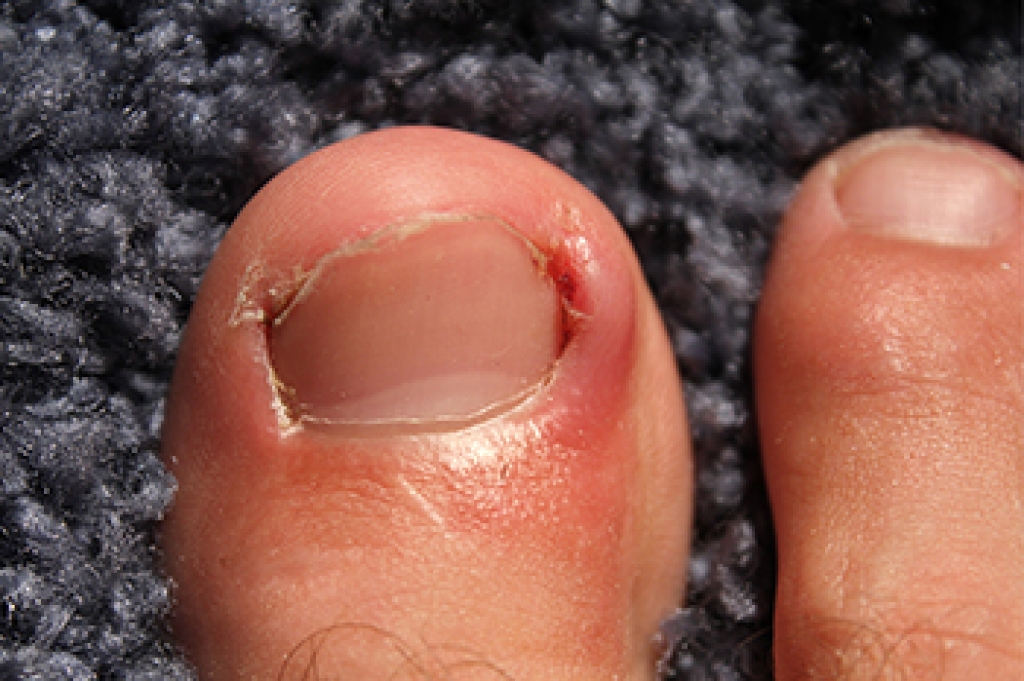
Ingrown toenails develop when the edge of a toenail grows into the surrounding skin instead of over it. The problem usually affects the big toe and can become painful as the nail presses deeper into the skin. Redness, swelling, and tenderness frequently appear along the side of the nail. As the condition worsens, drainage or signs of infection can develop. Several factors increase the risk of an ingrown toenail, including trimming the nails too short, toe injuries, and wearing shoes that squeeze the toes together. Some people are also born with nails that naturally curve more than usual, making ingrown toenails more likely.

A podiatrist can determine how deeply the nail has grown into the skin and whether an infection is present. During the examination, the podiatrist checks the nail, the surrounding skin, and the overall health of the foot. Patients with diabetes, poor circulation, or reduced feeling in their feet should seek prompt care because even a small nail problem can become more serious. When an infection is present, the podiatrist develops a treatment plan to control the infection while addressing the ingrown nail. This approach helps relieve pain and supports healthy healing.

Treatment depends on the severity of the ingrown toenail. A podiatrist can carefully remove the part of the nail that is growing into the skin. For patients with repeated ingrown toenails, a simple office procedure can remove part of the nail and treat the nail root to reduce the chance of the problem returning. In severe cases, more of the nail is removed to restore comfort and protect the toe. A podiatrist can also recommend shoes that provide proper support and enough room for the toes to reduce pressure on the affected nail. If you have symptoms of an ingrown toenail, it is suggested that you schedule an appointment with a podiatrist for diagnosis and appropriate treatment, which may include minor surgery.

Ingrown toenails may initially present themselves as a minor discomfort, but they may progress into an infection in the skin without proper treatment. For more information about ingrown toenails, contact one of the podiatrists of JE Foot & Ankle Associates. Our doctors can provide the care you need to keep you pain-free and on your feet.

Ingrown Toenails

Ingrown toenails are caused when the corner or side of a toenail grows into the soft flesh surrounding it. They often result in redness, swelling, pain, and in some cases, infection. This condition typically affects the big toe and may recur if it is not treated properly.

Causes

  • Improper toenail trimming
  • Genetics
  • Improper shoe fitting
  • Injury from pedicures or nail picking
  • Abnormal gait
  • Poor hygiene

You are more likely to develop an ingrown toenail if you are obese, have diabetes, arthritis, or have any fungal infection in your nails. Additionally, people who have foot or toe deformities are at a higher risk of developing an ingrown toenail.

Symptoms

Some symptoms of ingrown toenails are redness, swelling, and pain. In rare cases, there may be a yellowish drainage coming from the nail.

Treatment

Ignoring an ingrown toenail can have serious complications. Infections of the nail border can progress to a deeper soft-tissue infection, which can then turn into a bone infection. You should always speak with your podiatrist if you suspect you have an ingrown toenail, especially if you have diabetes or poor circulation.

If you have any questions, please feel free to contact one of our offices located in Fleming Island and Palm Coast, FL . We offer the newest diagnostic and treatment technologies for all your foot care needs.

Read more about Ingrown Toenail Care

Do Your Child's Feet Hurt?

Have your child's feet been examined lately? Healthy feet are happy feet. If your child is complaining of foot pain, it may be a sign of underlying problems.

scroll to top