Blog
Items filtered by date: January 2023
Tuesday, 31 January 2023 00:00
Cracked Heels and Petroleum Jelly
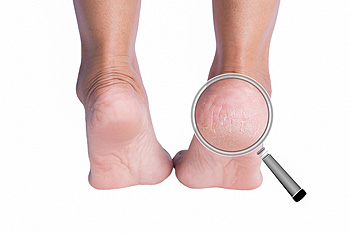
Cracked heels are a condition that occurs when the heels of the feet do not receive sufficient moisture. As a result, the skin on the heels can grow hard and develop cracks or fissures. There are many treatments that your podiatrist might recommend to treat your cracked heels, which largely depends on your case. One potential remedy that your medical professional might suggest to treat your cracked heels is known as petroleum jelly. This substance will be able to lock moisture into the damaged skin on the cracked heels. The substance is gelatinous in texture and can be used on the skin. One might apply petroleum jelly to the feet by rubbing the jelly onto the feet at night and then wearing socks over the feet to lock in the moisture. If you are unsatisfied with the condition of your feet, contact a podiatrist today.
Cracked heels are unsightly and can cause further damage to your shoes and feet. If you have any concerns, contact one of the podiatrists from JE Foot & Ankle Associates. Our doctors can provide the care you need to keep you pain-free and on your feet.
Cracked Heels
Cracked heels appear unappealing and can make it harder for you walk around in sandals. Aside from looking unpleasant, cracked heels can also tear stockings, socks, and wear out your shoes. There are several methods to help restore a cracked heel and prevent further damage.
How Do You Get Them?
Dry skin is the number one culprit in creating cracked heels. Many athletes, walkers, joggers, and even swimmers suffer from cracked heels. Age and skin oil production play a role to getting cracked heels as well.
Promote Healing
Over the counter medicines can help, especially for those that need instant relief or who suffer from chronic dry feet.
Wear Socks – Wearing socks with medicated creams helps lock in moisture.
Moisturizers – Applying both day and night will help alleviate dryness which causes cracking.
Pumice Stones – These exfoliate and remove dead skin, which allows for smoother moisturizer application and better absorption into the skin.
Change in Diet
Eating healthy with a well-balanced diet will give the skin a fresh and radiant look. Your body responds to the kinds of food you ingest. Omega-3 fatty acids and zinc supplements can also revitalize skin tissue.
Most importantly, seek professional help if unsure how to proceed in treating cracked heels. A podiatrist will help you with any questions or information needed.
If you have any questions, please feel free to contact one of our offices located in Fleming Island and Palm Coast, FL . We offer the newest diagnostic and treatment technologies for all your foot care needs.
Tuesday, 24 January 2023 00:00
3 Types of Ankle Sprains
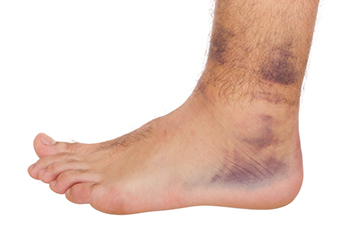
Ankle sprains can vary in severity and type. The most common type of ankle sprain is known as the inversion sprain and happens when the ankle rolls out while the foot turns in. The ligaments can easily be stretched or torn with this type of sprain and are generally painful. The opposite kind of sprain can occur when the ankle rolls inward, as the foot turns outward. The ligaments on the inside of the ankle can become torn with this sprain which is called the eversion sprain. Patients who have experienced a high ankle sprain may endure more discomfort, and this happens when the foot is planted on the ground, and the leg moves toward the inside of the foot. This is considered to be the least common type of sprain and often requires immediate medical attention. If you have sprained your ankle, please visit a podiatrist who can determine which kind of sprain you have, and offer the best treatment advice for you.
Although ankle sprains are common, they aren’t always minor injuries. If you need your ankle injury looked at, contact one of the podiatrists from JE Foot & Ankle Associates. Our doctors can provide the care you need to keep you pain-free and on your feet.
How Does an Ankle Sprain Occur?
Ankle sprains are the result of a tear in the ligaments within the ankle. These injuries may happen when you make a rapid shifting movement while your foot is planted. A less common way to sprain your ankle is when your ankle rolls inward while your foot turns outward.
What Are the Symptoms?
- Pain at the sight of the tear
- Bruising/Swelling
- Ankle area is tender to touch
- In severe cases, may hear/feel something tear
- Skin discoloration
Preventing a Sprain
- Wearing appropriate shoes for the occasion
- Stretching before exercises and sports
- Knowing your limits
Treatment of a Sprain
In many cases, the RICE method (Rest, Ice, Compression, and Elevate) is used to treat ankle sprains. However, you should see a podiatrist to see which treatment option would work best with your injury. In severe cases, surgery may be required.
It is important to ask your doctor about rehab options after you receive treatment for your injury. Stretching, strength training, and balance exercises may help the ankle heal while also preventing further injury.
If you have any questions, please feel free to contact one of our offices located in Fleming Island and Palm Coast, FL . We offer the newest diagnostic and treatment technologies for all your foot care needs.
Tuesday, 17 January 2023 00:00
Children’s Foot Position While Eating
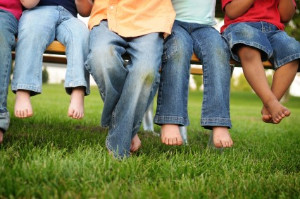
Can the position of children’s feet as they eat result in appetite changes? Studies have been done that may link feet that are dangling while eating may lead to having a reduced appetite and increased fatigue. The recommended position for sitting during a meal is for the ankles, knees, and hips to be bent at 90 degrees. When the feet are supported, the core muscles work less to stabilize the body, possibly causing improved attention. It may be beneficial to add a footrest that can help to achieve this balance. Parents who have children that are difficult eaters may find improvement by changing the position their child is in while eating. The benefits may include trying new foods and textures and remaining seated for longer periods. If you have specific questions about how this is accomplished, please speak with a podiatrist who can address any concerns you may have.
The health of a child’s feet is vital to their overall well-being. If you have any questions regarding foot health, contact one of the podiatrists of JE Foot & Ankle Associates. Our doctors can provide the care you need to keep you pain-free and on your feet.
Tips for Keeping Children's Feet Healthy
- Make sure their shoes fit properly
- Look for any signs of in-toeing or out-toeing
- Check to see if they have Clubfoot (condition that affects your child’s foot and ankle, twisting the heel and toes inward) which is one of the most common nonmajor birth defects.
- Lightly cover your baby’s feet (Tight covers may keep your baby from moving their feet freely, and could prevent normal development)
- Allow your toddler to go shoeless (Shoes can be restricting for a young child’s foot)
- Cut toenails straight across to avoid ingrown toenails
- Keep your child’s foot clean and dry
- Cover cuts and scrapes. Wash any scratches with soap and water and cover them with a bandage until they’ve healed.
If you have any questions, please feel free to contact one of our offices located in Fleming Island and Palm Coast, FL . We offer the newest diagnostic and treatment technologies for all your foot care needs.
Tuesday, 10 January 2023 00:00
Various Reasons for Foot Pain
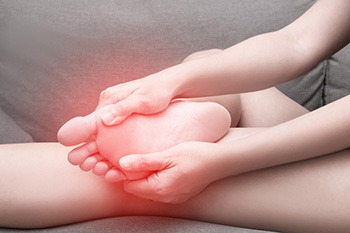
Having foot pain can wreak havoc in completing daily activities. Any type of foot pain is difficult to deal with, and many people often seek relief options. There are many reasons to have foot pain, including having endured an injury, changes to foot structure as a result of age, or from a recurring foot condition. Obesity may lead to having foot pain, which may come from the extra weight the feet must endure. A bunion or hammertoe may cause changes to the foot shape or structure, and is often uncomfortable. Research has shown that many foot conditions may possibly be prevented when specific stretches and exercises are frequently performed. This may be helpful in providing strength to the feet, which can be beneficial in maintaining balance. Foot pain can negatively impact the overall body, and it is strongly advised that you consult with a podiatrist if you are experiencing any type of foot pain. This type of doctor is recommended who can successfully determine the cause of the pain, and offer treatment methods that are right for you.
Foot Pain
Foot pain can be extremely painful and debilitating. If you have a foot pain, consult with one of the podiatrists from JE Foot & Ankle Associates. Our doctors will assess your condition and provide you with quality foot and ankle treatment.
Causes
Foot pain is a very broad condition that could be caused by one or more ailments. The most common include:
- Bunions
- Hammertoes
- Plantar Fasciitis
- Bone Spurs
- Corns
- Tarsal Tunnel Syndrome
- Ingrown Toenails
- Arthritis (such as Gout, Rheumatoid, and Osteoarthritis)
- Flat Feet
- Injury (from stress fractures, broken toe, foot, ankle, Achilles tendon ruptures, and sprains)
- And more
Diagnosis
To figure out the cause of foot pain, podiatrists utilize several different methods. This can range from simple visual inspections and sensation tests to X-rays and MRI scans. Prior medical history, family medical history, and any recent physical traumatic events will all be taken into consideration for a proper diagnosis.
Treatment
Treatment depends upon the cause of the foot pain. Whether it is resting, staying off the foot, or having surgery; podiatrists have a number of treatment options available for foot pain.
If you have any questions, please feel free to contact one of our offices located in Fleming Island and Palm Coast, FL . We offer the newest diagnostic and treatment technologies for all your foot care needs.
Friday, 06 January 2023 00:00
Plantar Warts Can Be Treated!

Plantar warts are small growths that develop on parts of the feet that bear weight. They're typically found on the bottom of the foot. Don't live with plantar warts, and call us today!
Tuesday, 03 January 2023 00:00
Foot Health and Electrolytes
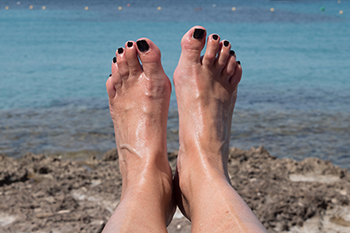
Anyone should know that protecting your feet is one of the most important and often overlooked aspects of maintaining a healthy lifestyle. One way that individuals might go about protecting the health of their feet is by monitoring certain levels of nutrients and minerals in the body. Electrolytes, for instance, have an important effect on the health of the feet. Electrolytes are a type of mineral in the blood of the body, and they play an important role in managing the level of water that is in your body at any given time. When electrolytes are at a low level, the feet may experience certain changes. For instance, low electrolytes might translate into increased muscle cramps. There are many ways that an individual can go about preventing this. People with low electrolyte levels can increase their level of electrolytes by eating foods such as bananas, spinach, or kidney beans. It is very important to be mindful of one’s electrolyte levels at all times to monitor the connection that it has with the health of the feet. Please contact a podiatrist for more information about this important topic.
Everyday foot care is very important to prevent infection and other foot ailments. If you need your feet checked, contact one of the podiatrists from JE Foot & Ankle Associates. Our doctors can provide the care you need to keep you pain-free and on your feet.
Everyday Foot Care
Often, people take care of their bodies, face and hair more so than they do for their feet. But the feet are a very important aspect of our bodies, and one that we should pay more attention to. Without our feet, we would not be able to perform most daily tasks.
It is best to check your feet regularly to make sure there are no new bruises or cuts that you may not have noticed before. For dry feet, moisturizer can easily be a remedy and can be applied as often as necessary to the affected areas. Wearing shoes that fit well can also help you maintain good foot health, as well as making it easier to walk and do daily activities without the stress or pain of ill-fitting shoes, high heels, or even flip flops. Wearing clean socks with closed shoes is important to ensure that sweat and bacteria do not accumulate within the shoe. Clean socks help to prevent Athlete’s foot, fungi problems, bad odors, and can absorb sweat.
If you have any questions please feel free to contact one of our offices located in Fleming Island and Palm Coast, FL . We offer the newest diagnostic and treatment technologies for all your foot and ankle needs.
Blog Archives
- October 2024
- September 2024
- August 2024
- July 2024
- June 2024
- May 2024
- April 2024
- March 2024
- February 2024
- January 2024
- December 2023
- November 2023
- October 2023
- September 2023
- August 2023
- July 2023
- June 2023
- May 2023
- April 2023
- March 2023
- February 2023
- January 2023
- December 2022
- November 2022
- October 2022
- September 2022
- August 2022
- July 2022
- June 2022
- May 2022
- April 2022
- March 2022
- February 2022
- January 2022
- December 2021
- November 2021
- October 2021
- September 2021
- August 2021
- July 2021
- June 2021
- May 2021
- April 2021
- March 2021
- February 2021
- January 2021
- December 2020
- November 2020
- October 2020
- September 2020
- August 2020
- July 2020
- June 2020
- May 2020
- April 2020
- March 2020
- February 2020
- January 2020
- December 2019
- November 2019
- October 2019
- September 2019
