Blog
Items filtered by date: September 2023
Tuesday, 26 September 2023 00:00
Symptoms and Treatment of Flat Feet
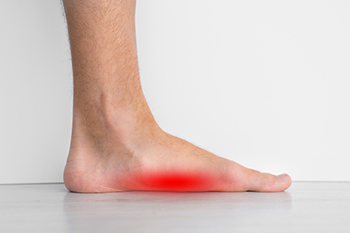
Flat feet, or pes planus, is a common condition where the arches of the feet collapse, causing the entire sole to touch the ground. This condition may be present from birth or develop over time. Genetics may play a significant role because the development of arches is determined by genetics. Insufficient development of foot muscles or weakening due to factors like aging or inactivity also can contribute to flat feet. Certain medical conditions like arthritis, diabetes, and obesity can increase the risk of developing flat feet. Some people experience no discomfort from flat feet, while others may suffer from pain in the arches or heels, swelling, or difficulty standing on tiptoes. Treatment options for flat feet depend on the severity and symptoms. Custom orthotic inserts can provide arch support and alleviate discomfort. Stretching exercises may help strengthen the foot muscles. In some cases, anti-inflammatory medication may be recommended. Early intervention can prevent further complications and improve your overall foot health. If you're experiencing flat feet-related issues, it's suggested that you consult a podiatrist for a thorough evaluation and a personalized treatment plan.
Flatfoot is a condition many people suffer from. If you have flat feet, contact one of the podiatrists from JE Foot & Ankle Associates. Our doctors will treat your foot and ankle needs.
What Are Flat Feet?
Flatfoot is a condition in which the arch of the foot is depressed and the sole of the foot is almost completely in contact with the ground. About 20-30% of the population generally has flat feet because their arches never formed during growth.
Conditions & Problems:
Having flat feet makes it difficult to run or walk because of the stress placed on the ankles.
Alignment – The general alignment of your legs can be disrupted, because the ankles move inward which can cause major discomfort.
Knees – If you have complications with your knees, flat feet can be a contributor to arthritis in that area.
Symptoms
- Pain around the heel or arch area
- Trouble standing on the tip toe
- Swelling around the inside of the ankle
- Flat look to one or both feet
- Having your shoes feel uneven when worn
Treatment
If you are experiencing pain and stress on the foot you may weaken the posterior tibial tendon, which runs around the inside of the ankle.
If you have any questions please feel free to contact one of our offices located in Fleming Island and Palm Coast, FL . We offer the newest diagnostic and treatment technologies for all your foot and ankle needs.
Tuesday, 19 September 2023 00:00
The Many Benefits of Foot Spas

In the hustle and bustle of daily life, we often neglect our feet despite their vital role in keeping us mobile. Foot spas offer a soothing retreat for your hard-working feet, and the benefits extend far beyond relaxation. First and foremost, foot spas provide immediate relief from stress and fatigue. The warm water and massaging action soothe tired muscles, easing tension throughout your body. Additionally, foot spas can promote better circulation. The blood is stimulated to the feet and lower limbs, aiding in the removal of toxins and reducing swelling. This can be particularly beneficial for those individuals with circulation issues. Foot spas can also alleviate foot pain and discomfort. Whether it is due to a long day of standing or a specific foot condition, the combination of heat and massage can provide relief from common foot ailments such as plantar fasciitis or arthritis. Lastly, regular foot spa sessions can enhance overall foot health by softening calluses and promoting better nail care. These indulgent treatments offer a multitude of benefits that go well beyond a momentary pampering session. If you would like more information about the benefits of foot spas, it is suggested that you speak with a podiatrist.
Foot therapy is often necessary for those recovering from either foot deformities or foot injuries. If you have concerns regarding therapy, consult with one of the podiatrists from JE Foot & Ankle Associates. Our doctors can provide the care you need to keep you pain-free and on your feet.
Most Common Injuries
People who are active or athletes are prone to a variety of injuries. Therefore, it is often important to take part in physical therapy in order to quickly get back on the right track.
What to Do When Injured
Physical Therapy – This specialized treatment will focus on the affected area, speeding up recovery and the overall healing process. It is a proven method that has helped millions of people return from any injury.
During physical therapy you will undergo regimented training to get back into full form. Training is often very difficult, especially at first when the foot feels weak. Physical therapy often involves:
Basic stretching and twisting exercises – getting the feet’s mobility and flexibility up.
Massaging – the therapist will massage the injured area in order to activate the muscles and relax them.
Strengthening Exercises – this allows the muscles in the affected area to regain their full strength, a vital step towards full recovery.
If you have any questions please feel free to contact one of our offices located in Fleming Island and Palm Coast, FL . We offer the newest diagnostic tools and technology to treat your foot and ankle needs.
Tuesday, 12 September 2023 00:00
What Causes a Plantar Fibroma?
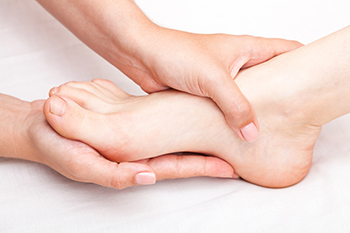
Plantar fibromas are a relatively uncommon, but often painful, condition that affects the feet. These benign growths, typically found in the arch of the foot, develop within the plantar fascia, the band of tissue that connects the heel bone to the toes. The exact cause of plantar fibromas is not well understood, but they are believed to be related to genetics and may develop due to overuse or trauma to the foot. The primary symptom of plantar fibromas is a noticeable lump or nodule in the arch of the foot. This lump is often painful and can make walking and standing uncomfortable. In some cases, it may restrict foot movement. Treatment options vary depending on the severity of symptoms. Conservative approaches include wearing orthotics or making shoe modifications that may help to alleviate pressure on the lump. In more severe cases, corticosteroid injections or surgical removal may be necessary to relieve pain and restore foot function. Early intervention can help to manage the condition effectively and improve overall foot health. If you suspect you have a plantar fibroma, it is suggested that you consult a podiatrist for a proper diagnosis and personalized treatment plan.
A plantar fibroma may disrupt your daily activities. If you have any concerns, contact one of the podiatrists of JE Foot & Ankle Associates. Our doctors can provide the care you need to keep you pain-free and on your feet.
Plantar Fibroma
A plantar fibroma is a fibrous knot in the arch of the foot. It is embedded in the plantar fascia which is a band of tissue that extends from the heel to the toes along the bottom of the foot. There can be multiple plantar fibromas in the feet at the same time. There are no known causes for this condition. If you have a plantar fibroma, there will be a bump in the arch of your foot that cannot be missed. Any associated pain is most often due to a shoe rubbing against the nodule. Non-surgical options, such as steroid injections, physical therapy, and orthotics should be tried first. Surgery is a last resort and is the only thing that will remove a plantar fibroma entirely. Consult with a podiatrist for a proper diagnosis and to determine the treatment regimen that is right for you.
What Causes a Plantar Fibroma?
While there are no specific causes identified, a plantar fibroma can possibly come from genetic predisposition or the formation of scar tissue that forms from healing the tears in the plantar fascia.
What Are the Symptoms of a Plantar Fibroma?
There will be a noticeable lump in the arch of the foot that may or may not cause pain. If pain is felt, it is typically because a shoe is rubbing up against the lump or when walking or standing barefoot.
Treatment and Prevention
A plantar fibroma will not disappear without treatment, but it can get smaller and be a non-issue. If pain persists, a podiatrist examines the foot and when the arch of the foot is pressed, pain can be felt down to the toes. An MRI or biopsy might be performed to help diagnose or evaluate the plantar fibroma. The following non-surgical options are generally enough to reduce the size and pain of these nodules:
- Steroid injections
- Orthotics
- Physical therapy to help apply anti-inflammatory creams on the bump
Surgery is considered if the mass increases in size and the patient continues to feel pain after non-surgical methods are tried.
If you have any questions please feel free to contact one of our offices located in Fleming Island and Palm Coast, FL . We offer the newest diagnostic tools and technology to treat your foot and ankle needs.
Tuesday, 05 September 2023 00:00
Proactive Foot Care Tips for Seniors
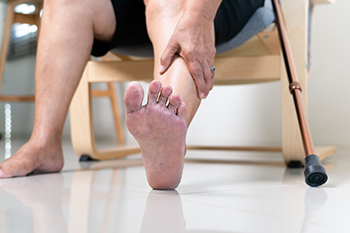
As we age, our feet, often overlooked, require special attention and care. Practicing elderly foot care becomes paramount to ensure comfort, mobility, and overall well-being. Seniors, particularly vulnerable to foot problems, can benefit from simple, yet effective strategies. Regular foot inspection is essential in spotting any changes, such as redness, swelling, or cuts, which may otherwise go unnoticed. Choosing comfortable, well-fitting footwear that provides support and cushioning is crucial. Keeping feet clean and moisturized prevents dryness and cracking. Trimming toenails carefully and seeking help from a podiatrist may help to avert complications. Engaging in gentle foot exercises, such as toe stretches, can be successful in maintaining flexibility and circulation. Prioritizing foot health not only safeguards against discomfort but also empowers seniors to step confidently into their golden years. If you would like additional information about foot care tips for elderly patients, it is suggested that you consult a podiatrist.
Proper foot care is something many older adults forget to consider. If you have any concerns about your feet and ankles, contact one of the podiatrists from JE Foot & Ankle Associates. Our doctors can provide the care you need to keep you pain-free and on your feet.
The Elderly and Their Feet
As we age we start to notice many changes in our body, but the elder population may not notice them right away. Medical conditions may prevent the elderly to take notice of their foot health right away. Poor vision is a lead contributor to not taking action for the elderly.
Common Conditions
- Neuropathy – can reduce feeling in the feet and can hide many life-threatening medical conditions.
- Reduced flexibility – prevents the ability of proper toenail trimming, and foot cleaning. If left untreated, it may lead to further medical issues.
- Foot sores – amongst the older population can be serious before they are discovered. Some of the problematic conditions they may face are:
- Gouging toenails affecting nearby toe
- Shoes that don’t fit properly
- Pressure sores
- Loss of circulation in legs & feet
- Edema & swelling of feet and ankles
Susceptible Infections
Diabetes and poor circulation can cause general loss of sensitivity over the years, turning a simple cut into a serious issue.
If you have any questions please feel free to contact one of our offices located in Fleming Island and Palm Coast, FL . We offer the newest diagnostic and treatment technologies for all your foot and ankle needs.
Sunday, 03 September 2023 00:00
Are You Suffering From Ingrown Toenails?

If left untreated, an ingrown toenail can lead to more serious concerns, such as an infection. Knowing proper nail care can help in the prevention of an ingrown toenail. Give us a call, and get treated!
Blog Archives
- April 2025
- March 2025
- February 2025
- January 2025
- December 2024
- November 2024
- October 2024
- September 2024
- August 2024
- July 2024
- June 2024
- May 2024
- April 2024
- March 2024
- February 2024
- January 2024
- December 2023
- November 2023
- October 2023
- September 2023
- August 2023
- July 2023
- June 2023
- May 2023
- April 2023
- March 2023
- February 2023
- January 2023
- December 2022
- November 2022
- October 2022
- September 2022
- August 2022
- July 2022
- June 2022
- May 2022
- April 2022
- March 2022
- February 2022
- January 2022
- December 2021
- November 2021
- October 2021
- September 2021
- August 2021
- July 2021
- June 2021
- May 2021
- April 2021
- March 2021
- February 2021
- January 2021
- December 2020
- November 2020
- October 2020
- September 2020
- August 2020
- July 2020
- June 2020
- May 2020
- April 2020
- March 2020
- February 2020
- January 2020
- December 2019
- November 2019
- October 2019
- September 2019
