
What Causes Toenail Fungus and How Is It Treated?

Toenails are affected more frequently than fingernails by fungus. The infection can cause a nail to become thick, discolored, or misshapen. It can also make the nail brittle or cause it to separate from the nail bed. Fungi grow well in warm, moist environments. Public showers, pool decks, and similar areas can expose feet to organisms that cause fungal infections.

Several factors can increase the risk of toenail fungus. Aging, diabetes, and athlete’s foot are linked with greater risk. Repeated minor injury to the nail can also allow fungi to enter. The infection frequently affects one or both big toenails and can take a long time to clear because toenails grow slowly. Not every abnormal-looking nail has a fungal infection. Nail changes can result from other conditions, which makes an accurate diagnosis important before treatment begins. Advanced infections can cause pain and damage to the nail.

A podiatrist can examine a discolored or thickened toenail and determine whether fungus is responsible. Testing a nail sample can help confirm the diagnosis because appearance alone is not always reliable. Treatment depends on the severity of the infection. Prescription antifungal medication can be applied to the nail or taken by mouth. A podiatrist can also thin and trim an affected nail to reduce pressure and support treatment. Patients with diabetes or poor circulation require careful attention because severe infections can lead to sores or additional infection. Toenail fungus can return after successful treatment, so follow-up care can help monitor the nail as healthy growth appears. If you have symptoms of toenail fungus, it is suggested that you schedule an appointment with a podiatrist for a diagnosis and appropriate treatment, which may include prescribed medication.

If left untreated, toenail fungus may spread to other toenails, skin, or even fingernails. If you suspect you have toenail fungus it is important to seek treatment right away. For more information about treatment, contact one of the podiatrists of JE Foot & Ankle Associates. Our doctors can provide the care you need to keep you pain-free and on your feet.

Symptoms

  • Warped or oddly shaped nails
  • Yellowish nails
  • Loose/separated nail
  • Buildup of bits and pieces of nail fragments under the nail
  • Brittle, broken, thickened nail

Treatment

If self-care strategies and over-the-counter medications does not help your fungus, your podiatrist may give you a prescription drug instead. Even if you find relief from your toenail fungus symptoms, you may experience a repeat infection in the future.

Prevention

In order to prevent getting toenail fungus in the future, you should always make sure to wash your feet with soap and water. After washing, it is important to dry your feet thoroughly especially in between the toes. When trimming your toenails, be sure to trim straight across instead of in a rounded shape. It is crucial not to cover up discolored nails with nail polish because that will prevent your nail from being able to “breathe”.

In some cases, surgical procedure may be needed to remove the toenail fungus. Consult with your podiatrist about the best treatment options for your case of toenail fungus.  

If you have any questions please contact our office located in Fleming Island, FL . We offer the newest diagnostic and treatment technologies for all your foot and ankle needs.


Read more about Treating Toenail Fungus

Exploring Reasons for Ankle Pain

Ankle pain is discomfort affecting the ankle joint, surrounding muscles, or ligaments. It can develop gradually or occur suddenly after an injury. Pain may range from a dull ache to severe discomfort that makes walking difficult. Common symptoms include swelling, bruising, or stiffness. Tenderness, and reduced movement are also common. Ankle pain can affect daily activities, especially while standing, walking, or exercising. Understanding the cause can help guide appropriate care and prevent symptoms from becoming worse.

Several factors can contribute to ankle pain. Excessive exercise may place repeated stress on muscles, tendons, and joints, especially when activity increases too quickly. Wearing tight shoes can also create pressure around the ankle and affect foot movement. Other causes include sprains, tendon irritation, or overuse. Risk factors may include previous ankle injuries, physically demanding activities, and sudden changes in exercise routines. Paying attention to discomfort can help prevent minor problems from progressing.


A podiatrist can evaluate ankle pain by reviewing your symptoms, activity level, and injury history. The examination may assess swelling, tenderness, and foot strength. They may also check flexibility, and walking mechanics. Imaging tests may be recommended when a fracture or significant structural problem is suspected. Treatment depends on the underlying cause. A podiatrist may recommend activity modification, supportive footwear, or targeted exercises. More involved care may include bracing, physical therapy, or other treatments designed to reduce pain and restore ankle function.


Do not ignore ankle pain that persists, becomes severe, or interferes with movement. Resting from aggravating activities and wearing comfortable shoes may help reduce irritation. However, continued symptoms require a podiatric evaluation to identify the source and prevent further damage. Your podiatrist can develop a treatment plan based on your needs and monitor your progress during recovery. If you have ankle pain, it is suggested that you consult a podiatrist for an accurate diagnosis and appropriate treatment.

Ankle pain can have many different causes and the pain may potentially be serious. If you have ankle pain, consult with one of the podiatrists from JE Foot & Ankle Associates. Our doctors will assess your condition and provide you with quality foot and ankle treatment.

Ankle pain is any condition that causes pain in the ankle. Due to the fact that the ankle consists of tendons, muscles, bones, and ligaments, ankle pain can come from a number of different conditions.

Causes

The most common causes of ankle pain include:

  • Types of arthritis (rheumatoid, osteoarthritis, and gout)
  • Ankle sprains
  • Broken ankles
  • Achilles tendinitis
  • Achilles tendon rupture
  • Stress fractures
  • Tarsal tunnel syndrome
  • Plantar fasciitis

Symptoms

Symptoms of ankle injury vary based upon the condition. Pain may include general pain and discomfort, swelling, aching, redness, bruising, burning or stabbing sensations, and/or loss of sensation.

Diagnosis

Due to the wide variety of potential causes of ankle pain, podiatrists will utilize a number of different methods to properly diagnose ankle pain. This can include asking for personal and family medical histories and of any recent injuries. Further diagnosis may include sensation tests, a physical examination, and potentially x-rays or other imaging tests.

Treatment

Just as the range of causes varies widely, so do treatments. Some more common treatments are rest, ice packs, keeping pressure off the foot, orthotics and braces, medication for inflammation and pain, and surgery.

If you have any questions please feel free to contact our office located in Fleming Island, FL . We offer the newest diagnostic tools and technology to treat your foot and ankle needs.

Read more about Various Causes of Ankle Pain

Improving Foot Flexibility

Stretching the feet helps keep muscles, tendons, and joints flexible, making everyday movement easier and more comfortable. Healthy feet support balance, absorb shock, and help the body move efficiently while walking. As people age, the feet can become stiffer, reducing flexibility and increasing the chance of discomfort. Regular stretching helps maintain range of motion, which is the ability of a joint to move through its full motion. Stretching also supports better foot function and can improve stability. A podiatrist can evaluate foot flexibility and identify areas of tightness that contribute to pain or reduced mobility.

Several simple stretches improve flexibility in different parts of the feet. Toe stretches help maintain movement in the joints and reduce stiffness. Calf stretches improve flexibility in the muscles connected to the heel through the Achilles tendon. Rolling the foot over a small ball can gently stretch the arch and improve comfort. A podiatrist recommends stretches based on your foot structure, symptoms, and daily activities. Stretching works best when movements are slow and controlled rather than forced.  wearing shoes that lack proper support can increase strain on the feet, making flexibility even more important for comfortable movement. Regular stretching also helps prepare the feet for daily activities and supports better balance.

A podiatrist creates a stretching program that matches each patient's needs and goals. Treatment can also include custom orthotics and wearing supportive shoes to improve foot alignment and reduce stress on painful areas. Regular evaluations help monitor flexibility and identify changes before discomfort becomes more serious. Better flexibility can improve comfort, support healthier movement, and help the feet perform more efficiently throughout the day. Podiatric guidance also helps patients perform stretches correctly for the greatest benefit. If you have  foot pain or stiffness, it is suggested that you schedule an appointment with a podiatrist for additional guidance on effective foot stretches.

Why Stretching Is Important for Your Feet

Stretching the feet is a great way to prevent injuries. If you have any concerns with your feet consult with one of the podiatrists from JE Foot & Ankle Associates. Our doctors will assess your condition and provide you with quality foot and ankle treatment.

Stretching the Feet

Stretching the muscles in the foot is an important part in any physical activity. Feet that are tight can lead to less flexibility and make you more prone to injury. One of the most common forms of foot pain, plantar fasciitis, can be stretched out to help ease the pain. Stretching can not only ease pain from plantar fasciitis but also prevent it as well. However, it is important to see a podiatrist first to determine if stretching is right for you. Podiatrists can also recommend other ways to stretch your feet. Once you know whether stretching is right for you, here are some excellent stretches you can do.

  • Using a foam roller or any cylindrical object (a water bottle or soda can will do), roll the object under your foot back and forth. You should also exert pressure on the object. Be sure to do this to both feet for a minute. Do this exercise three times each.
  • Similar to the previous exercise, take a ball, such as a tennis ball, and roll it under your foot while seated and exert pressure on it.
  • Grab a resistance band or towel and take a seat. If you are using a towel, fold it length wise. Next put either one between the ball of your foot and heel and pull with both hands on each side towards you. Hold this for 15 seconds and then switch feet. Do this three times for each foot.
  • Finally hold your big toe while crossing one leg over the other. Pull the toe towards you and hold for 15 seconds. Once again do this three times per foot.

It is best to go easy when first stretching your foot and work your way up. If your foot starts hurting, stop exercising to ice and rest the foot. It is advised that you then see a podiatrist for help.

If you have any questions please contact our office located in Fleming Island, FL . We offer the newest diagnostic and treatment technologies for all your foot and ankle needs.
Read more about How to Stretch Your Feet

Common Causes and Types of Ankle Sprains

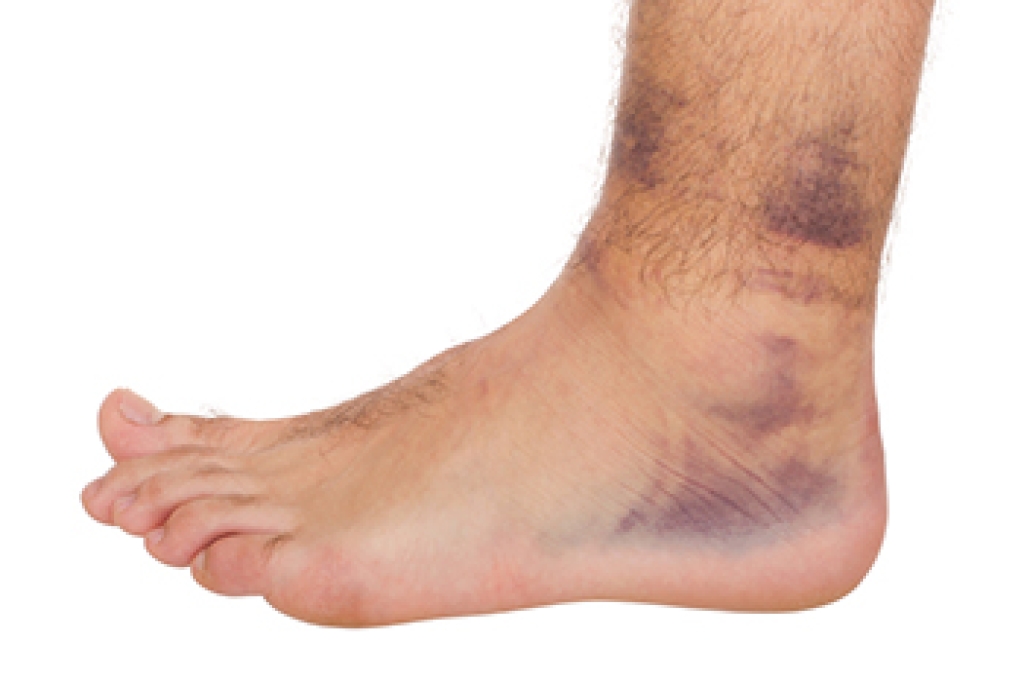
An ankle sprain affects the ligaments of the ankle, which are responsible for maintaining joint stability and alignment. This injury occurs when the ligaments are overstretched or torn due to excessive force or abnormal movement. Ankle sprains are frequently seen in both athletes and individuals performing daily activities. The injury can range from mild to severe, and may impact mobility and overall function if not managed properly. Understanding how ankle sprains develop can help individuals take preventive steps.

Symptoms often include swelling, pain, and difficulty walking. Some individuals may notice stiffness or a reduced ability to move the ankle comfortably. The causes of ankle sprains typically involve sudden twisting motions, missteps, or loss of balance. Risk factors include uneven walking surfaces, and weak or unstable joints. Individuals with a history of ankle injuries may also be more prone to recurring sprains. High risk factors include intense sports participation and lack of proper ankle support during movement.


There are different types of ankle sprains that affect specific ligaments. An inversion sprain is the most common and occurs when the foot rolls inward, placing strain on the outer ligaments. An eversion sprain is less common and involves the foot turning outward, affecting the inner ligaments. Additionally, a high ankle sprain involves the ligaments above the ankle joint and is often caused by a twisting motion combined with upward force. Sprains are also graded by severity. Grade one involves mild stretching, grade two includes partial tearing, and grade three reflects a complete ligament tear with significant instability.


Proper diagnosis and treatment are essential for restoring function and preventing chronic issues.  Supportive footwear and a gradual return to activity can aid recovery. Taking early action can improve healing outcomes and reduce complications. If you have sprained your ankle, it is suggested that you consult a podiatrist for effective relief and treatment solutions.

Ankle sprains are common but need immediate attention. If you need your feet checked, contact one of the podiatrists from JE Foot & Ankle Associates. Our doctors can provide the care you need to keep you pain-free and on your feet.

How Does an Ankle Sprain Occur?

Ankle sprains take place when the ligaments in your ankle are torn or stretched beyond their limits. There are multiple ways that the ankle can become injured, including twisting or rolling over onto your ankle, putting undue stress on it, or causing trauma to the ankle itself.

What Are the Symptoms?

  • Mild to moderate bruising
  • Limited mobility
  • Swelling
  • Discoloration of the skin (depending on severity)

Preventing a Sprain

  • Wearing appropriate shoes for the occasion
  • Stretching before exercises and sports
  • Knowing your limits

Treatment of a Sprain

Treatment of a sprain depends on the severity.  Many times, people are told to rest and remain off their feet completely, while others are given an air cast. If the sprain is very severe, surgery may be required.

If you have suffered an ankle sprain previously, you may want to consider additional support such as a brace and regular exercises to strengthen the ankle.

If you have any questions please feel free to contact our office located in Fleming Island, FL . We offer the newest diagnostic tools and technology to treat your foot and ankle needs.

Read more about Ankle Sprains

Are You Suffering From Ingrown Toenails?

If left untreated, an ingrown toenail can lead to more serious concerns, such as an infection. Knowing proper nail care can help in the prevention of an ingrown toenail. Give us a call, and get treated!

scroll to top